EPCOR Says 15–18 GPG: What San Tan Valley's Water Hardness Actually Means
Anything above 10.5 grains per gallon is classified as very hard. We are at 15 to 18. Here is what that number does to every pipe, fixture and appliance in your house.
The short answer
EPCOR's San Tan district delivers water at roughly 15 to 18 grains per gallon. Anything above 10.5 is classified as very hard, so San Tan Valley sits at about double that threshold. It is not a safety issue — hardness measures dissolved calcium and magnesium — but it is the single biggest factor in local plumbing wear.
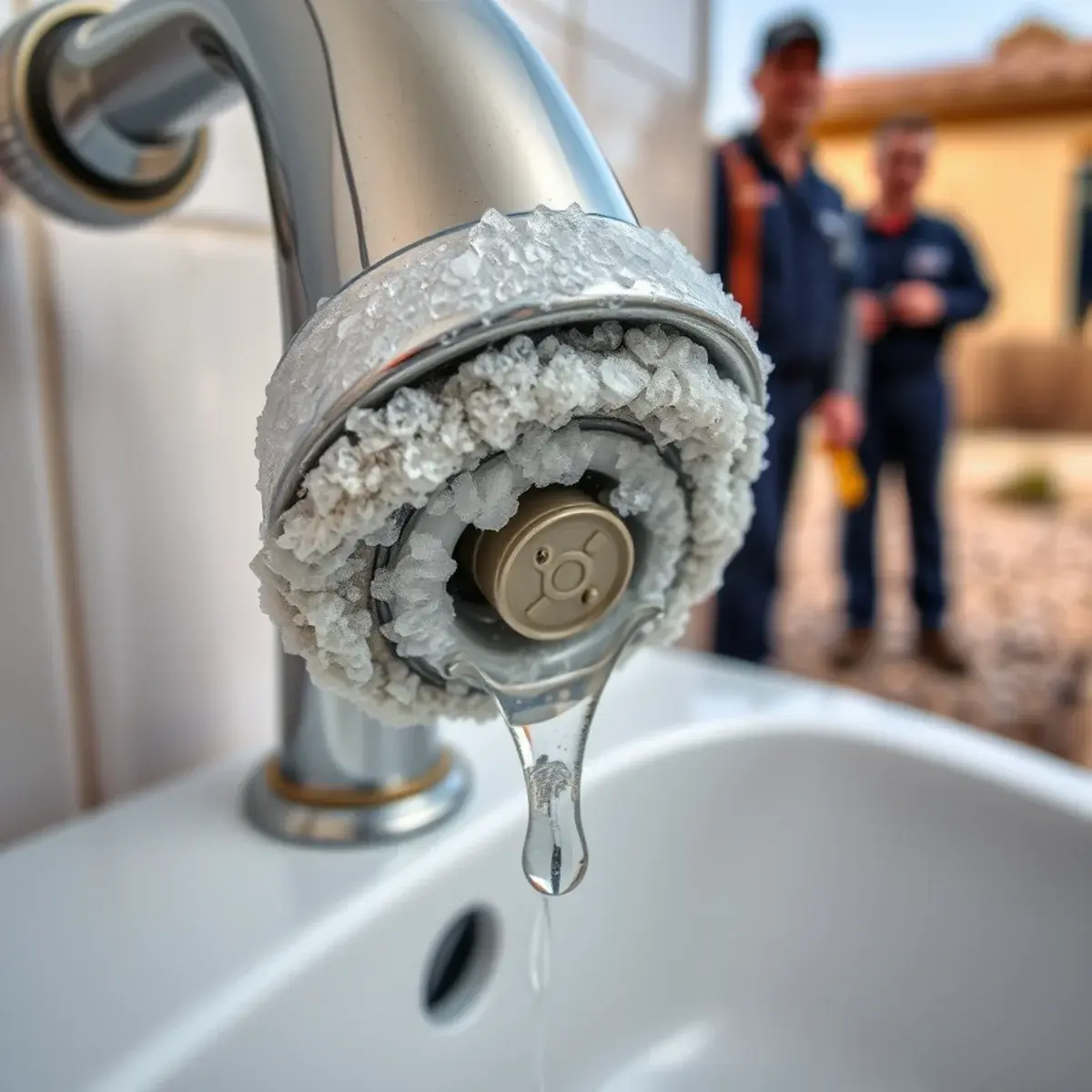
If you have moved to San Tan Valley from almost anywhere else, you noticed the water before you noticed anything else about the plumbing. White crust on faucets within weeks. Spots on glassware nothing seems to prevent. Soap that will not lather. Skin that feels different after a shower.
There is a number behind all of it. EPCOR's San Tan district delivers water at roughly 15 to 18 grains per gallon.
Putting 15–18 grains in context
| Grains per gallon | Classification |
|---|---|
| 0 – 1 | Soft |
| 1 – 3.5 | Slightly hard |
| 3.5 – 7 | Moderately hard |
| 7 – 10.5 | Hard |
| 10.5+ | Very hard |
| 15 – 18 (San Tan Valley) | Well past the top of the scale |
We are not near the line. We are roughly double the threshold at which water is classified as very hard. That is the single most important fact about plumbing in this town, and it explains most of what we get called out for.
Where the minerals come from
Roughly 80% of Pinal County's water supply is groundwater. Water moving through mineral-rich geology dissolves calcium and magnesium along the way, and those dissolved minerals are what hardness measures.
It is worth being clear: hardness is not a safety issue. Calcium and magnesium are minerals you consume in food. EPCOR's water meets drinking water standards. Hardness is an equipment and comfort issue — but at this level, it is a substantial one.
What 15–18 grains does to your house
Your water heater
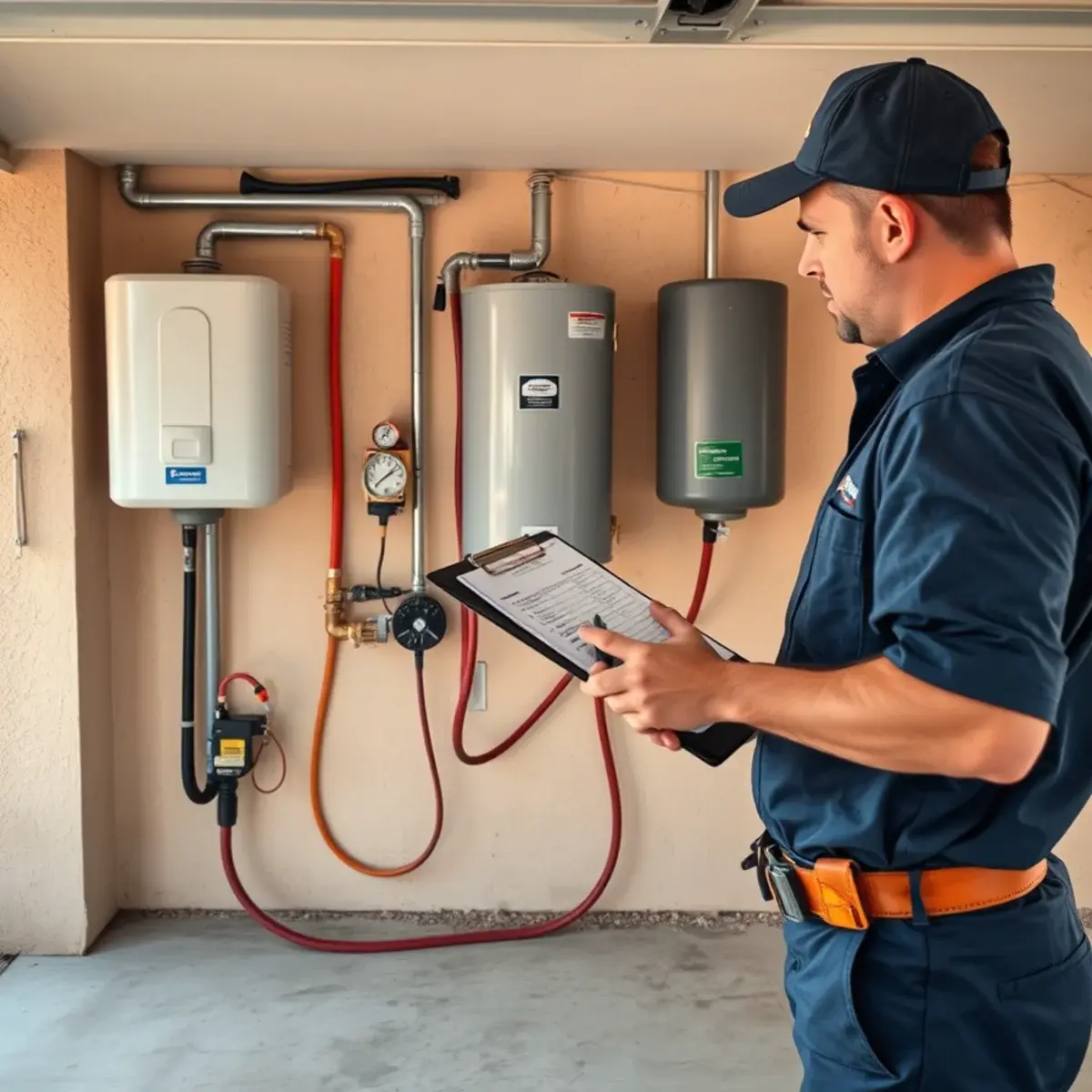
Every gallon heated deposits mineral on the tank floor. That sediment bed insulates the burner from the water, so you use more energy and get less hot water, and it superheats the tank bottom until the glass lining fails.
It is why tanks here run six to ten years against a label rating of eight to twelve, and why we push annual flushing harder than a plumber in a soft-water market would.
Your fixtures
Toilet flappers and flush valve seats mineralize until they no longer seal, so the toilet leaks silently into the bowl and onto your bill. Shower cartridges seize as calcium builds between the ceramic discs — which is why the handle gets stiff months before it starts dripping. Aerators clog until a kitchen faucet flows at half its rate, and homeowners blame the utility.
Your pipes
Scale accumulates on the interior wall of supply lines, gradually reducing effective diameter. It happens slowly enough that people adapt without noticing — until a repipe or a fixture cleaning restores what they had and the difference is startling. See low water pressure causes.
Your drains
The same rough mineral surface builds on the inside of drain lines, and rough pipe catches hair, grease, soap curd and lint. That is why a house that never had drain problems in 2012 clogs twice a year now — see why your drains keep clogging.
Your appliances and glass
Dishwasher and washing machine elements and valves scale. Frameless glass shower enclosures eventually etch permanently — and once glass is etched, no cleaner restores it. In neighborhoods like The Parks and across the newer builds with glass enclosures, that is often what finally motivates a softener.
Testing your own water
The district average is 15 to 18, but your specific service can differ. A hardness test strip from a hardware store gives you a rough reading in a minute. We test on site as part of any softener assessment, and on private wells we send samples to a lab because hardness is only part of what matters there — see private well testing and treatment.
What to do about it
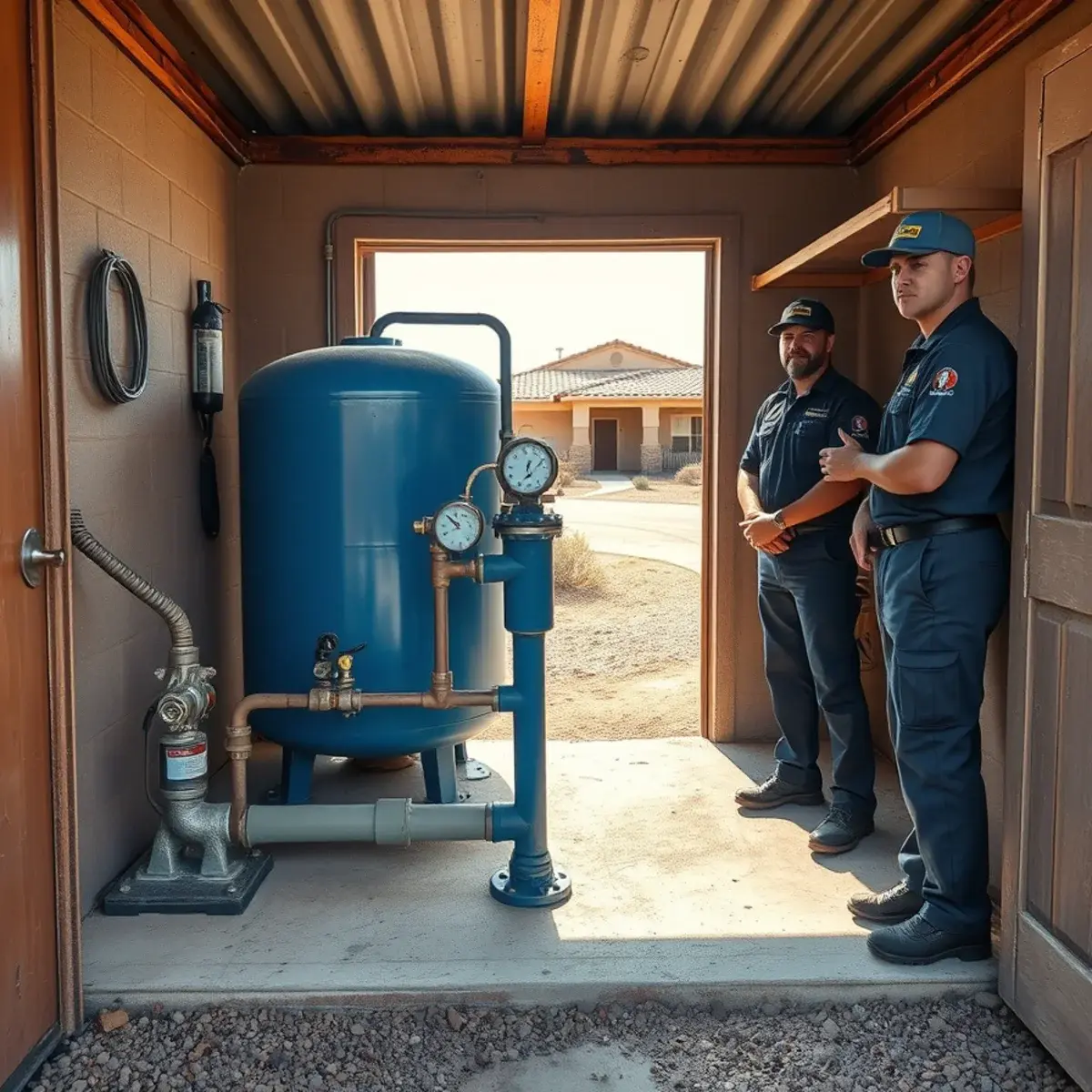
- Install a softener. The only technology that actually removes hardness. Most homes here already have a garage loop, making installation quick. See water softener installation.
- Add reverse osmosis for drinking water. A softener protects the house; it does not improve taste and it adds a little sodium. RO handles what you drink and cook with.
- Flush your water heater annually. The highest-value maintenance in your house at this hardness.
- Descale aerators and showerheads periodically. Unscrew, soak in vinegar overnight, rinse. Free, and it restores flow more often than people expect.
- Squeegee glass enclosures after every use and apply a hydrophobic treatment once or twice a year.
One last note: San Tan Valley's water history includes a period under a previous utility that left a lot of residents skeptical of the tap. That skepticism has a real origin, and it is worth understanding separately from the hardness question — see from Johnson Utilities to EPCOR.
What that number does on a twenty-year timeline
The effects compound rather than arriving at once, which is why homeowners adapt without noticing. Scale builds a rough interior layer on supply lines that both reduces effective diameter and catches debris. A half-inch line does not stay a half-inch line in practice, and the shower you thought was always mediocre used to be good.
On the drain side almost nobody talks about it, but the same mineral precipitates onto horizontal drain runs. That rough surface is why a house that never had drain problems in 2012 clogs twice a year now — the pipe did not change size on paper, it changed size in practice.
The honest limit of softening: it prevents the next twenty years of accumulation. It does not undo the last twenty. In a home already at year eighteen we are protecting the new water heater and whatever pipe is left, not restoring what has gone — and we would rather say that than let someone expect a transformation that is not coming.
The bottom line
Test your own water rather than assuming the district average applies to your service. Then decide in two parts: a softener protects the house and adds a little sodium, while an under-sink RO handles what you drink and improves taste. Most homeowners here end up wanting both, and installing them together saves a trip. See water softener installation for how we size it.
Frequently asked questions
EPCOR's San Tan district typically runs about 15 to 18 grains per gallon. Anything above 10.5 grains is classified as very hard, so San Tan Valley sits at roughly double that threshold. It is the single biggest factor in local plumbing wear.
No. Hardness measures dissolved calcium and magnesium — minerals you consume in food — and it is not a safety concern. EPCOR's water meets drinking water standards. Hardness is an equipment, comfort and appearance issue, though at this level a substantial one.
Yes. A hardware store test strip gives a rough reading in about a minute, which is enough to confirm you are in the very hard range. We test on site as part of any softener assessment, and for private wells we use a laboratory test because hardness is only one of several things that matter there.