Post-Tension Slabs & Plumbing: A Guide for Johnson Ranch-Era Homes
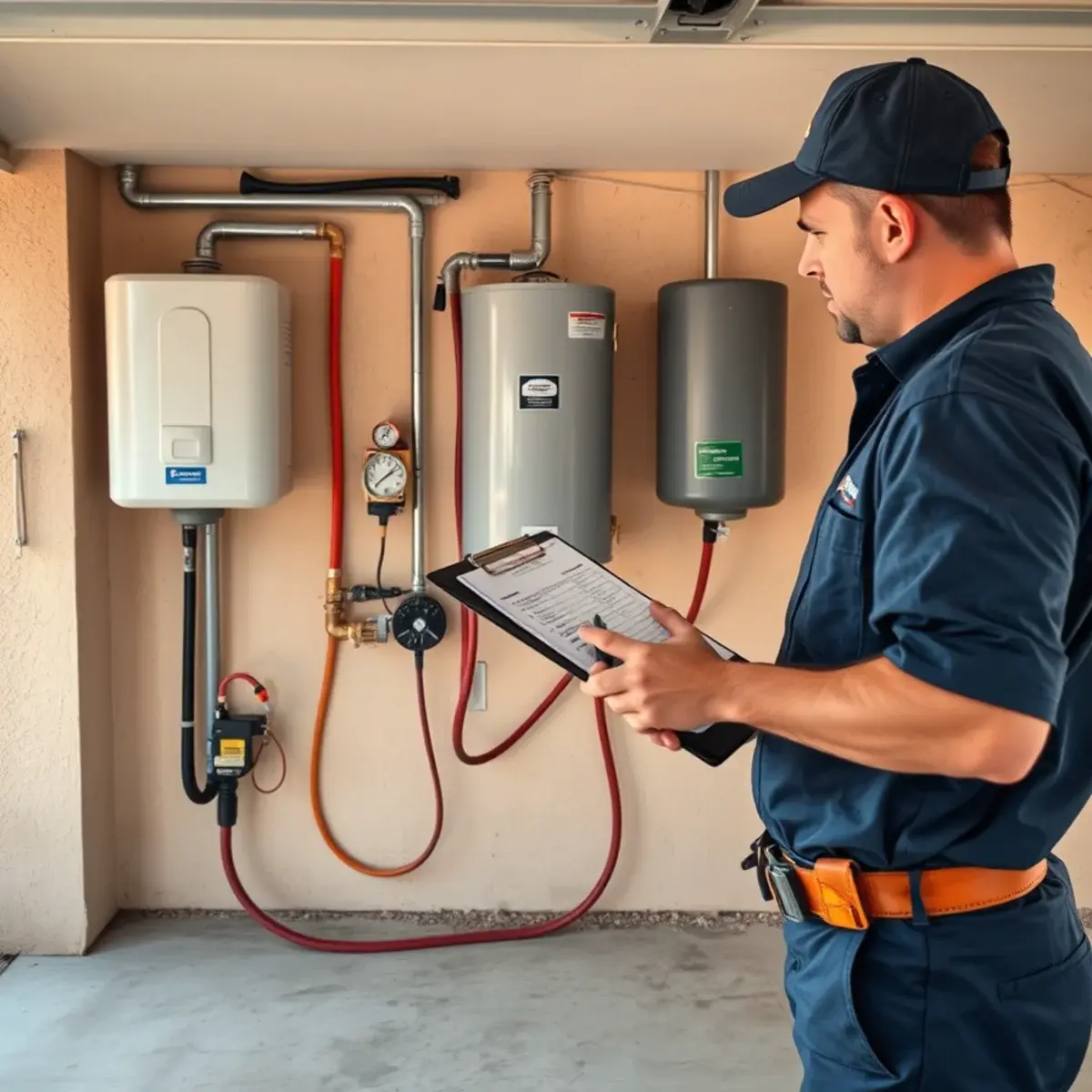
Nearly every home in San Tan Valley sits on one. It is the reason a good plumber here would rather run a new line through your attic than touch your floor.
The short answer
A post-tension slab is reinforced with high-strength steel cables tensioned after the concrete cures, and it is the standard across San Tan Valley's post-1998 housing. Cutting a tendon releases enormous stored force — hazardous and structurally significant — so under-slab plumbing repairs here get scanned before any cut, or rerouted overhead so no cut is needed.
If your San Tan Valley home was built after roughly 1998 — and nine out of ten were — it almost certainly sits on a post-tension slab. Most homeowners never think about it until a plumbing problem forces the conversation, and by then it is deciding how the repair gets done.
What a post-tension slab is
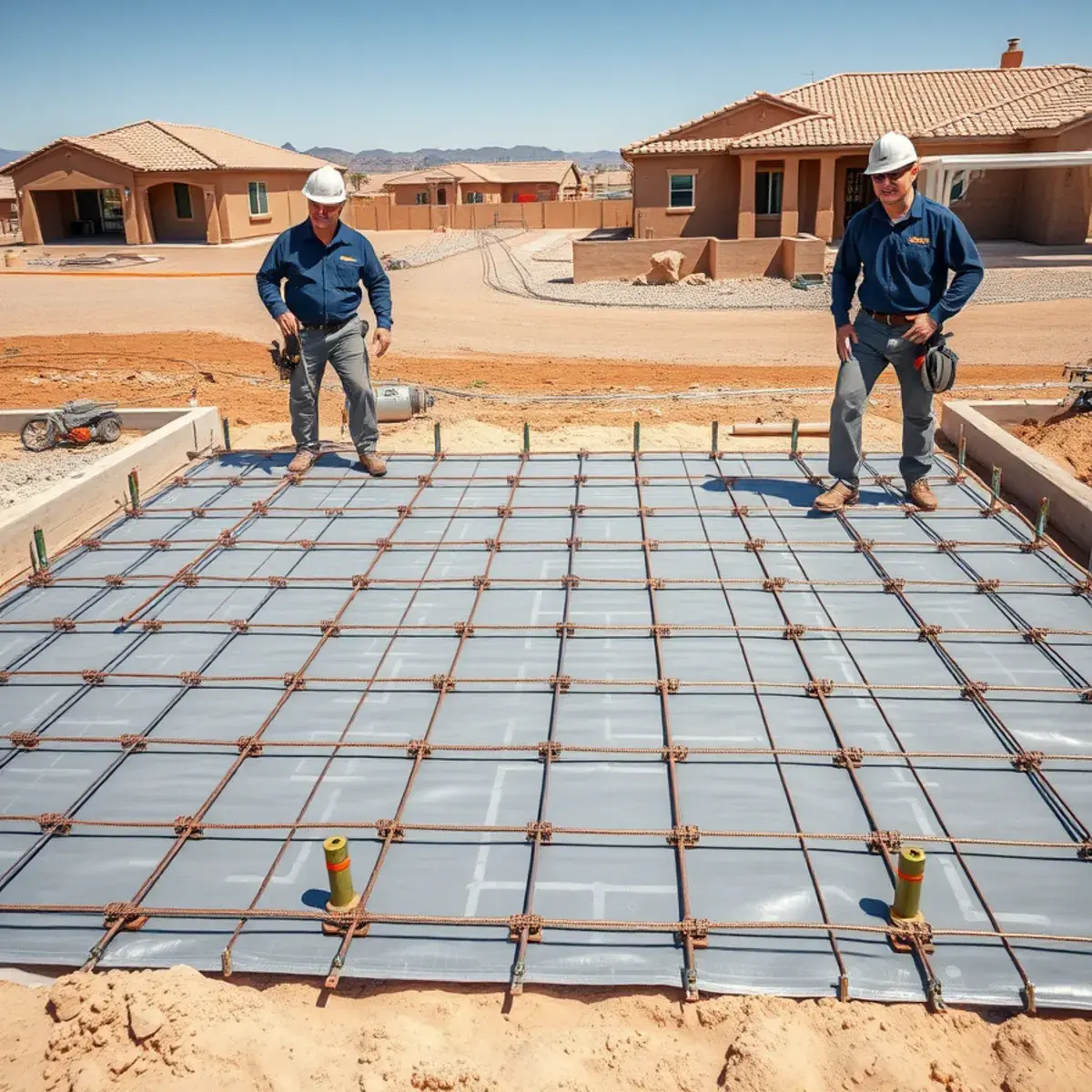
A conventional slab is reinforced with steel rebar cast into the concrete. A post-tension slab uses high-strength steel cables — tendons — running through plastic sheathing inside the slab. After the concrete cures, those cables are pulled to enormous tension with a hydraulic jack and anchored at the edges.
The result is a slab held in compression, which performs very well on the expansive soils common across the Phoenix and Pinal region. It is not a shortcut or a cheap alternative — it is genuinely well suited to our ground conditions, which is why builders used it across Johnson Ranch, Castlegate, Rancho Bella Vista, Morning Sun Farms, Cambria and effectively every boom-era community here.
Why it changes plumbing repair
Those tendons are under thousands of pounds of tension, permanently. Cutting one releases that force suddenly. It is genuinely dangerous for whoever is holding the saw, and it compromises the structural performance of the slab.
So in a post-tension home, you cannot simply saw-cut a trench across a floor to reach a pipe the way you might on a rebar slab. That single constraint reshapes how every under-slab leak gets handled here.
The three ways this gets handled
1. Overhead reroute — our usual recommendation
Abandon the failed under-slab run and route a new PEX line through the attic and down the walls to the fixture. No concrete cut, no tendon risk, no tile matching, and the new line stays accessible for the life of the house.
On many San Tan Valley homes this costs less than a spot repair once flooring restoration is counted — see slab leak repair cost in Arizona.
2. Spot repair with a cable scan
Sometimes the right answer, particularly in a garage or laundry room where the floor is bare concrete and restoration is trivial. In that case the slab is scanned first with GPR or a cable locator, the cut is planned around the tendons, and the opening is kept as small as the repair allows.
Scanning is not optional and it is not where to economize. It is what keeps a plumbing repair from becoming a structural repair.
3. Whole-home repipe
When a home has produced two or three pinholes, the system is telling you its service life is over. A repipe run overhead in PEX abandons the under-slab lines entirely and ends the problem — no more slab decisions, ever.
Living with a post-tension slab
- Do not let anyone core-drill or saw-cut your slab without scanning. That includes contractors installing floor outlets, safes, basketball hoop footings or anything else that penetrates concrete.
- Do not cut the anchor pockets at the slab edge, and do not let landscaping or hardscape work disturb them.
- Watch for the leak signals — a warm floor spot, an unexplained bill increase, the sound of running water at night. See slab leak warning signs.
- Address leaks promptly. Water saturating the soil under a slab affects how that soil supports it, and post-tension slabs are designed around specific soil conditions.
- Keep drainage away from the foundation. Consistent moisture cycling in expansive soil is exactly what these slabs are engineered to tolerate — but there is no benefit in testing the limit.
Is it a problem that my house has one?
No. Post-tension slabs perform well here and they are the standard for good reason. What they require is a plumber who understands the constraint and plans around it, rather than one who approaches your floor with the same assumptions they would use in a different market.
We locate before we cut, we scan whenever we do cut, and on most jobs we find a way not to cut at all. That is the whole approach, and it is why our slab leak detection and repair work in this town looks different from what a homeowner might read about online.
The question that separates experienced local plumbers
Ask any contractor how they plan to avoid the post-tension cables. The right answers are that they scan the slab with ground-penetrating radar or a cable locator before cutting, and that they would rather reroute overhead than open the floor at all. A casual answer tells you they have not worked this housing stock.
The counterintuitive part is cost. Homeowners assume the overhead reroute is the premium option because it sounds like more work. On many San Tan Valley homes it comes in below a spot repair once you count cutting concrete, matching tile that may be discontinued, and patching the floor back.
Honest limitation: a reroute abandons one run. If your house has already produced two or three pinholes, rerouting them one at a time is chasing a system that has reached the end of its service life. At that point a full repipe is not the bigger sale, it is the arithmetic — and this is precisely where those two decisions diverge.
The bottom line
Post-tension slabs are not a defect — they perform well on our expansive soils, which is why builders used them across Johnson Ranch, Castlegate, Rancho Bella Vista and effectively every boom-era community here. What they require is a plumber who plans around the constraint. Do not let anyone core-drill or saw-cut your slab without scanning, and watch for the leak signals early. See slab leak detection and repair.
Frequently asked questions
It is if it is done blind. The slab contains steel cables under thousands of pounds of tension, and severing one releases that force suddenly — hazardous to whoever is cutting and structurally significant for the building. Scanning with GPR or a cable locator before any cut is what makes it safe.
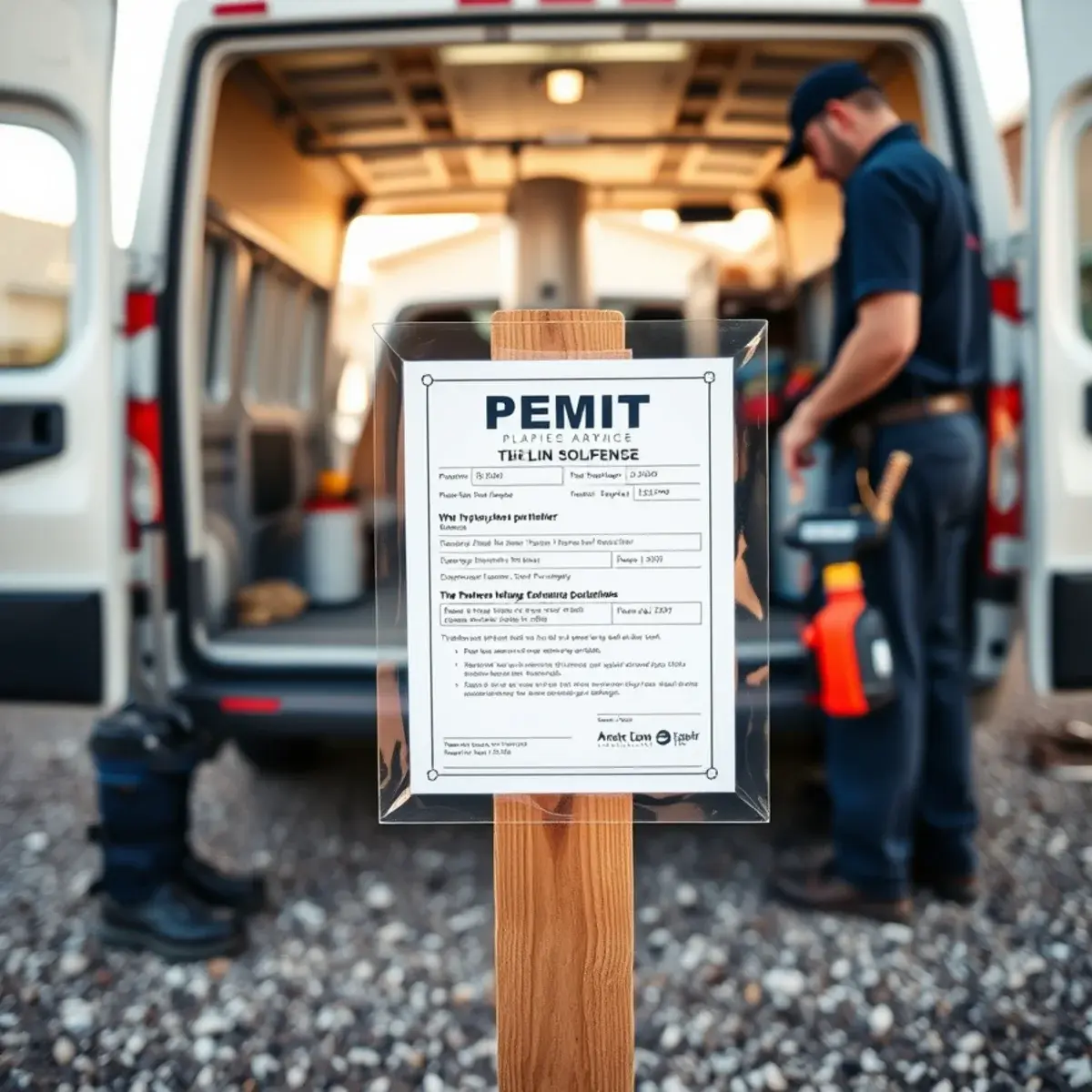
Most San Tan Valley homes built after roughly 1998 do. Common indicators include a stamped or placarded notice near the garage or electrical panel warning against cutting the slab, and visible patched anchor pockets around the slab perimeter. If in doubt, assume it does and scan before any concrete work.
Usually, yes — by abandoning the failed run and rerouting the line overhead through the attic in PEX. That avoids the tendons entirely, avoids matching flooring, and leaves the new line accessible. On many homes here it also costs less than a spot repair once flooring restoration is counted.