Slab Leak Warning Signs Every San Tan Valley Homeowner Should Know
A slab leak can run for months before anything visible happens. Here are the eight signals, ranked by how often they turn out to be real — and the free test that settles it.

The short answer
The most reliable signs are a warm patch on tile, a water bill that stepped up and stayed up, and the sound of running water when the house is silent. Cracked tile in a line, damp carpet at a baseboard and a drop in hot-water pressure throughout the house follow close behind. The free confirmation is your water meter with every fixture off.
Nearly every home in San Tan Valley sits on a post-tension slab, with copper or PEX water lines running underneath it. When one of those lines develops a pinhole, the water goes into the soil under your floor — quietly, sometimes for months, at rates that can exceed ten thousand gallons a month.
Here are the signals, roughly in order of how reliably they indicate a real slab leak.
1. A warm or hot spot on the floor

The most specific sign there is. If one patch of tile is noticeably warmer than the surrounding floor, a hot water line beneath it is leaking. You usually notice it barefoot in the morning. This one is rarely anything else.
2. The water bill climbed and stayed climbed

Not one high month — a step change that persists. A slab leak does not take weekends off, so the pattern is a new baseline rather than a spike.
Before assuming the worst, dye-test every toilet in the house. Mineralized flappers leak silently and they are far and away the most common cause of an unexplained bill increase in this water. That test is free and takes twenty minutes.
3. The sound of running water with everything off

Stand in a quiet hallway late at night with every fixture off. A pressurized leak under a slab makes a continuous hiss or rush that seems to come from the floor itself.
4. Cracked tile in a line, or a floor that has moved

Water saturating the soil beneath a slab changes how that soil supports it. Tile cracks along a line, grout darkens, a door that always closed cleanly starts to stick.
5. Hot water pressure down throughout the house

When the hot side is losing water under the slab, every hot fixture in the house weakens at once while cold stays normal. That asymmetry is a useful clue and it is the reason our first diagnostic step is isolating hot from cold at the water heater.
6. Damp carpet, swollen baseboards or a musty smell

Moisture wicking up through the slab into drywall and trim. Frequently shows up first in a guest room or closet nobody uses daily — which is exactly why it goes unnoticed so long.
7. Mold or mildew at floor level with no plumbing nearby

Mold in a closet or along a hallway baseboard, far from any fixture, points to moisture coming from underneath rather than from a visible source.
8. The water heater running more than it used to

A hot-side slab leak means the heater is constantly reheating water that is disappearing into the ground. Owners often notice a gas or electric bill increase before they notice the water bill.
What else produces these same symptoms
Roughly one detection call in six turns out to be something cheaper. Before you assume the worst, rule these out — every one of them is far less expensive than a slab leak.
| Symptom | Could also be | How to rule it out |
|---|---|---|
| Water bill stepped up and stayed up | A toilet leaking silently past a mineralised flapper | Dye-test every toilet — food colouring in the tank, twenty minutes, check the bowl |
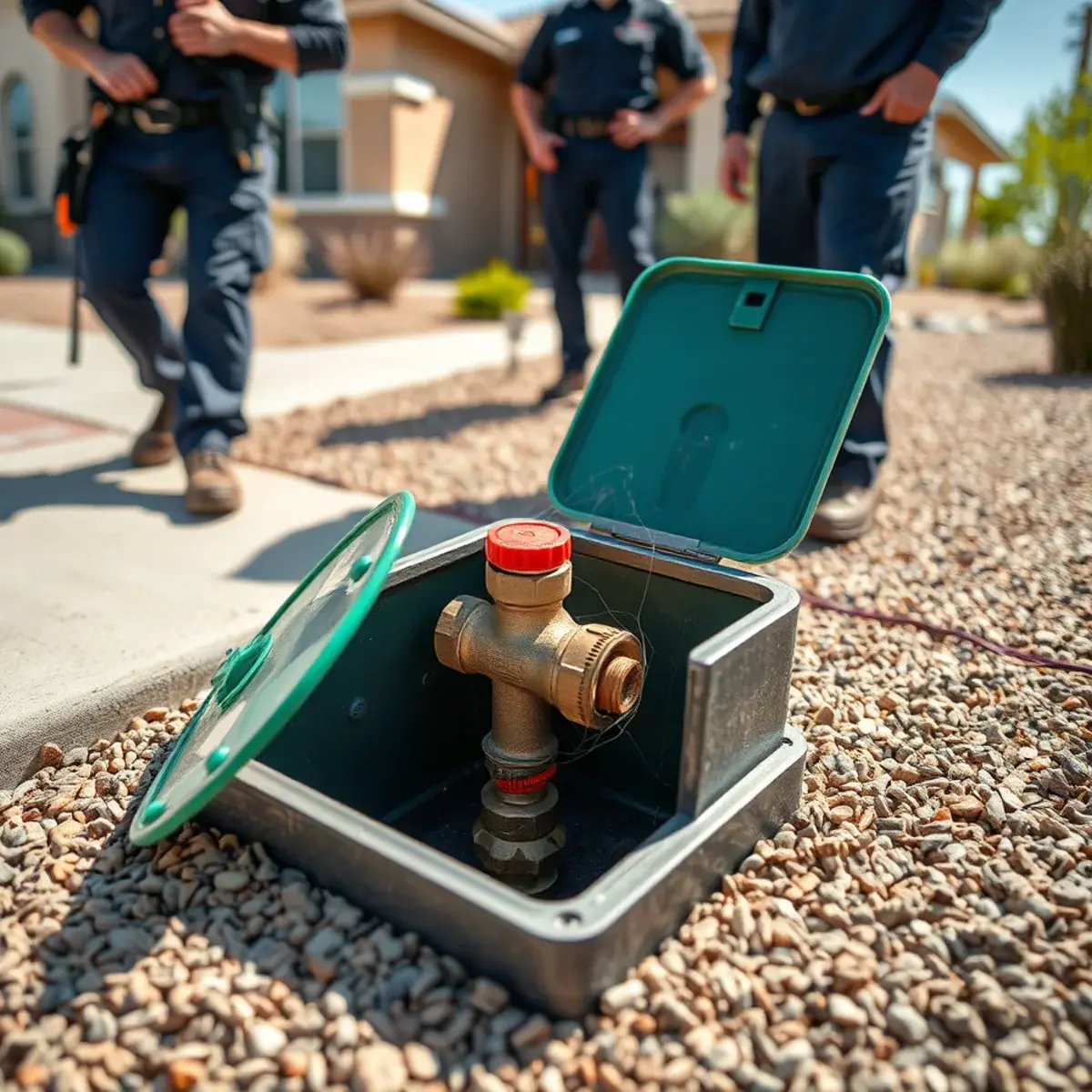
| Meter moving with everything off | A cracked irrigation lateral or failed valve | Shut the irrigation at the valve and re-check the meter |
| Hot water pressure down through the house | Sediment in the water heater, or a failing pressure-reducing valve | Gauge on a hose bib, then flush the tank |
| Damp patch near an exterior wall | A weeping hose bib or a failed backflow assembly | Look at the hose bibs and the irrigation manifold first |
| Musty smell at floor level | An AC condensate line backing up into the pan | Check the air handler pan and flush the condensate line |
| Running-water sound at night | A recirculation pump on a timer | Check whether the sound tracks the pump schedule |
Why post-tension slabs change the repair
This is the part that matters most in San Tan Valley. A post-tension slab contains high-strength steel cables tensioned after the concrete cures. Cutting one releases enormous stored force — it is hazardous and structurally significant.
So the right question is not where to cut. It is whether we can avoid cutting at all. On most homes in Castlegate, Rancho Bella Vista and the surrounding boom-era communities, we abandon the failed under-slab run and reroute overhead in PEX through the attic. No concrete, no tendon risk, no tile matching, and the new line stays accessible.
If a plumber talks casually about trenching your living room floor, ask how they plan to avoid the tendons. The answer tells you a great deal.
How location actually works
Our sequence on a slab leak detection call: confirm loss at the meter, isolate hot from cold at the water heater to halve the search area, pressure test the suspect line, then acoustic listening, thermal imaging and electronic line tracing. We do not cut anything until at least two methods agree on the location and depth.
Do not wait it out
Slab leaks do not heal. They erode soil, they cost thousands of gallons a month, and eventually the water finds its way up through the floor covering. The detection visit itself is a modest cost, and roughly one call in six turns out to be an irrigation leak, a toilet flapper or a failing pressure regulator — all far cheaper problems that we would much rather find.
How we halve the search area before charging you anything
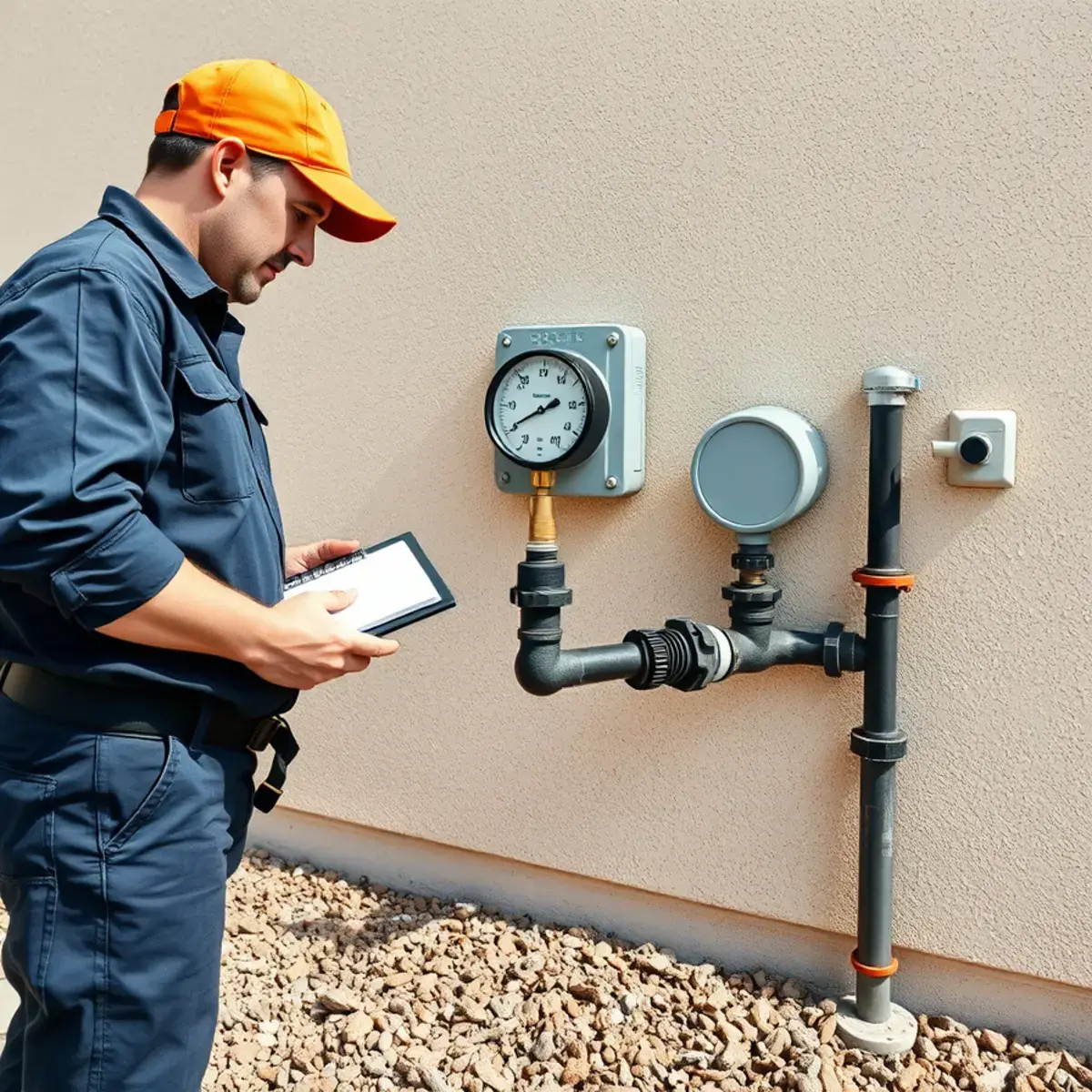
Two free tests come before any paid detection. First the meter with the house isolated: if the low-flow indicator moves, water is going somewhere on your property. Then shut the irrigation at the valve and re-check — roughly one call in six turns out to be a landscape lateral, which is a far cheaper problem.
Then we close the cold inlet on the water heater and test again. Hot lines fail before cold lines nearly every time, and isolating at the heater eliminates half the slab in about ten minutes at no cost. By the time we bill you for acoustic and thermal work, we already know which system we are chasing.
An honest word about waiting: slab leaks do not heal, and a modest one can move well over ten thousand gallons a month while producing nothing visible. But we would still rather find your irrigation valve than sell you a detection. Anyone who cannot describe those free tests to you before quoting is not diagnosing, they are selling.
The bottom line
If you have one of these signs, run the meter test tonight — it costs nothing and it tells you whether to worry. If the meter moves with everything off and the irrigation isolated, call. Our slab leak detection and repair starts with those same free isolations, and on most San Tan Valley homes the fix is an overhead reroute that never touches your floor.
Frequently asked questions
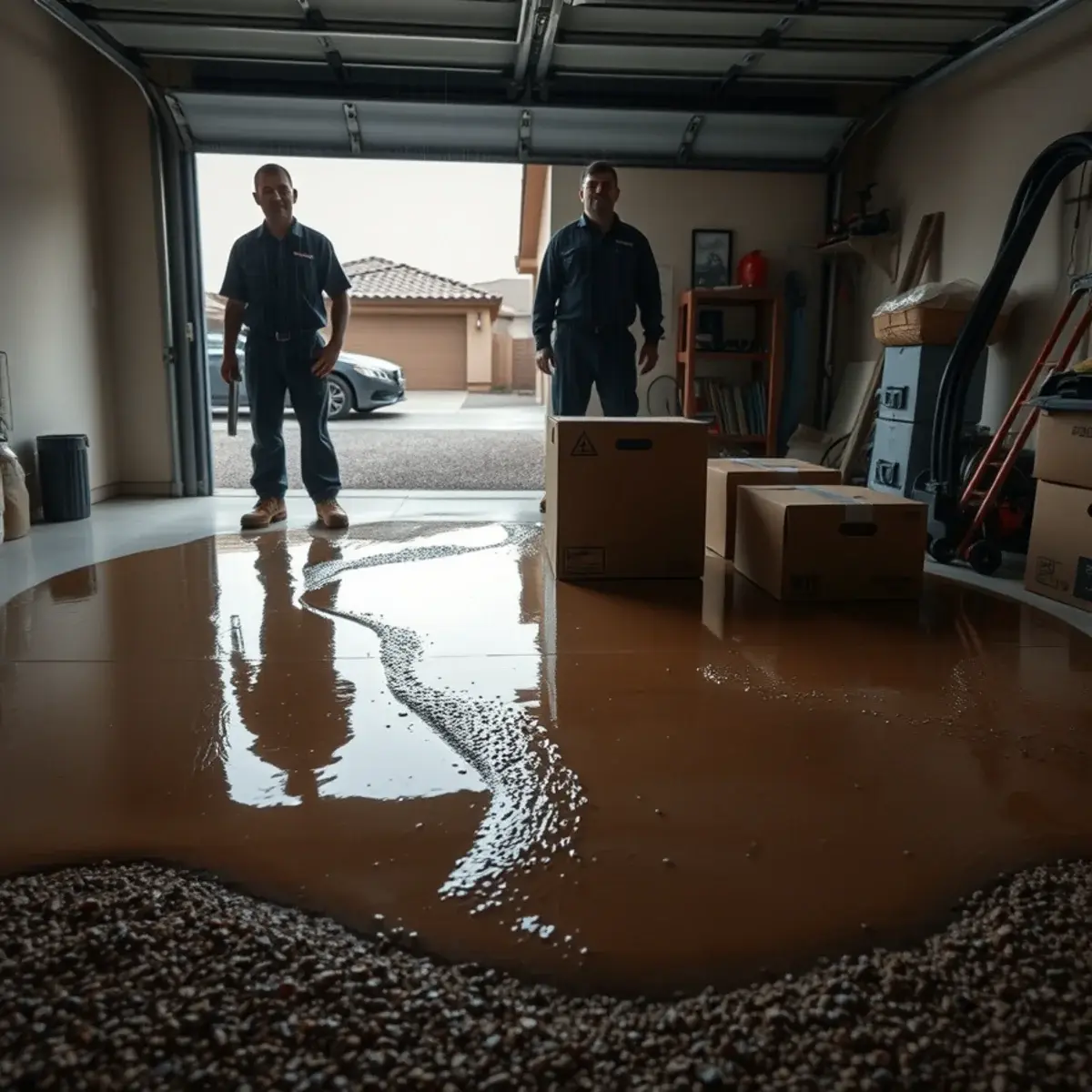
Yes, and that is the normal case. Water escaping under a slab goes into the soil, not onto your floor. Most slab leaks are found through a warm spot, a bill increase or the sound of running water long before any water becomes visible.
Most policies cover the resulting water damage while excluding the pipe repair itself, and coverage for the cost of accessing the pipe varies by carrier. Read your specific policy language — we cover the details in does insurance cover slab leaks.
Detection is priced as its own scope of work, because sometimes the honest outcome is that your slab is fine and an irrigation valve is leaking. If we perform the repair, the detection fee is credited toward it.