Smell Gas? Emergency Steps Every Homeowner Should Know
Six actions, and four things you must not do. This is the one plumbing emergency where the wrong instinct is genuinely dangerous.
The short answer
Leave the building immediately without touching light switches, the garage door opener or any electrical device, and do not start a vehicle in an attached garage. From well outside, call the gas utility's emergency line and 911. Do not go back in until they clear it, and do not try to find the leak yourself.
Natural gas is odorless. The rotten-egg or sulfur smell you notice is mercaptan, added specifically so you can detect a leak. If you smell it, treat it as real every single time.
Do these six things, in this order
- 1Get everyone out of the building immediately, including pets. Do not stop to gather belongings.
- 2Do not touch anything electrical on the way out. No light switches, no thermostats, no appliances, no garage door opener. A switch contact can produce a spark.
- 3Do not start a vehicle in an attached garage, and do not use the garage door opener to leave.
- 4Do not use your phone inside the building. Make every call from well outside, ideally across the street.
- 5Call the gas utility's emergency line and 911 from that safe distance. They respond to gas odor calls as emergencies and they do not charge you for it.
- 6Do not go back inside for any reason until the utility says the property is safe.
Other signs of a gas leak
- A hissing or whistling sound near a gas line, meter or appliance
- Dead or discolored vegetation in a line over a buried gas run, with no other explanation
- Bubbles rising in standing water over a buried line
- Physical symptoms in the household — headache, dizziness, nausea — that improve when everyone goes outside
- A gas appliance burning with a yellow or orange flame where it should burn blue
What happens after the utility responds
The gas utility's job is to make the property safe. They will locate the source, and if the leak is on their side of the meter they will repair it. If it is on your side — the house piping, an appliance connection, a buried line to a pool heater or outdoor kitchen — they will shut off service and tag it, and the repair is yours to arrange.
That is where we come in. Gas line repair is licensed, permitted, inspected work, and it should be. We locate the leak with electronic detection equipment, repair or replace the affected section, pressure test the system and hold it for the required duration, then coordinate the inspection and relight every appliance in the house.
Why gas leaks happen
In San Tan Valley homes the recurring causes are:
- Appliance connector failure. Flexible connectors age, and older ones can be uncoated brass that becomes brittle.
- Corrosion on buried lines. Underground runs to pool heaters, spas and outdoor kitchens are exposed to soil moisture and salts.
- Poor workmanship on a previous install. Improperly cut threads, missing sediment traps, or unbonded CSST are all things we find on other people's work.
- Physical damage. Someone digging without calling Blue Stake, or a line struck during landscaping or fence work.
- Undersized piping under load. Not a leak, but a related hazard — an appliance starved of gas can burn incompletely and produce carbon monoxide.
Carbon monoxide is a different danger
Carbon monoxide has no smell at all. It comes from incomplete combustion in a gas appliance — a blocked flue, a cracked heat exchanger, poor combustion air. You cannot detect it without a detector, and every home with gas appliances should have working CO alarms, including one near the sleeping areas.
A yellow-tipped flame on a burner that should be burning blue is a visible warning of incomplete combustion. So is soot around an appliance. Both deserve immediate attention.
Preventing it
- Have gas appliances and connections inspected periodically, especially older flexible connectors.
- Call Blue Stake before any digging, every time, including fence posts and tree planting.
- Use licensed, permitted contractors for any gas work — see gas line services. Unpermitted gas work is a serious problem when you sell and a much more serious problem if there is ever an incident.
- Keep working CO detectors on every level and near sleeping areas.
- If you are adding a large gas load — a pool heater, an outdoor kitchen, a tankless water heater — have the total BTU load calculated before you buy the appliance.
We do gas work throughout San Tan Valley including the outdoor-living-heavy neighborhoods like Copper Basin, and every job is permitted, pressure tested and inspected. That is not a selling point — it is the minimum standard for work that has to be right the first time.
What actually causes gas leaks in homes here
The single most common defect we find on other people's gas work is CSST — the yellow flexible tubing — installed without correct bonding. It is a legitimate product used correctly, and unbonded it is a genuine hazard. We check it on every gas call, including ones we did not create.
The second is undersized piping under a new load. This is not a leak, but it is related: an appliance starved of gas burns incompletely, and incomplete combustion produces carbon monoxide, which has no smell at all. A yellow-tipped flame on a burner that should be blue is a visible warning worth acting on.
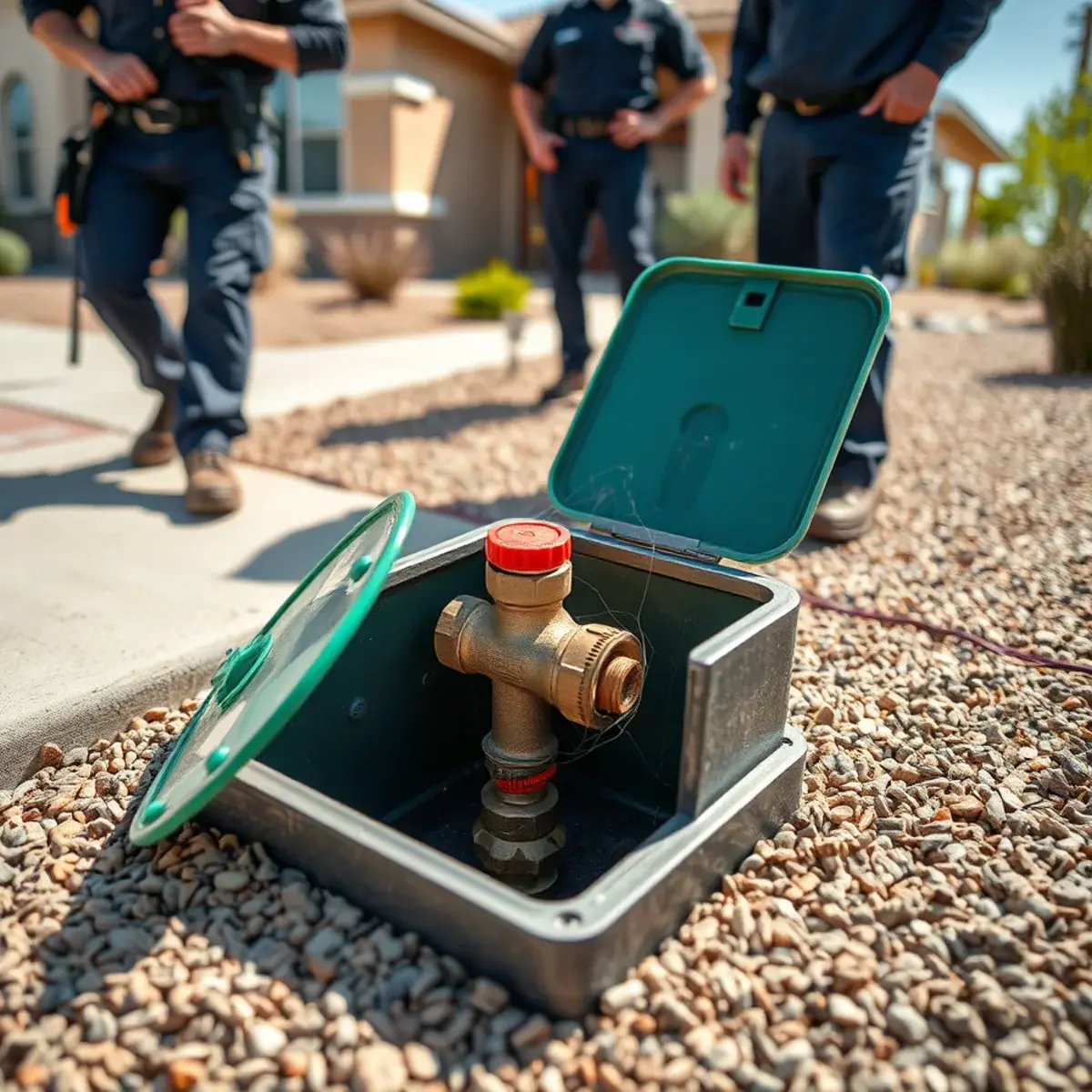
Underground runs to pool heaters and outdoor kitchens are the third. Soil moisture and salts work on coated steel over years, and the first sign is often dead vegetation in a line over the buried run rather than an indoor odor. If you see that, treat it as a gas call even though nothing smells inside.
The bottom line
The utility's job is to make the property safe and shut off service. The house-side repair is a licensed, permitted, inspected job and it is ours. If someone offers to run or repair a gas line for cash with no permit, understand exactly what is being offered — it is a disclosure problem at sale and a very serious problem with an insurer after an incident. See our gas line services for how we test and document it.
Frequently asked questions
The gas utility and 911, from outside the building. Their job is to make the property safe, and they respond to gas odor calls as emergencies at no charge. Call a plumber after the property is cleared and you know the repair is on your side of the meter.
Leaving is the priority. If a window is directly on your way out and opening it costs you no time, fine — but do not move through the house opening windows, and never operate anything electrical, including a window air conditioner or a fan, to ventilate.
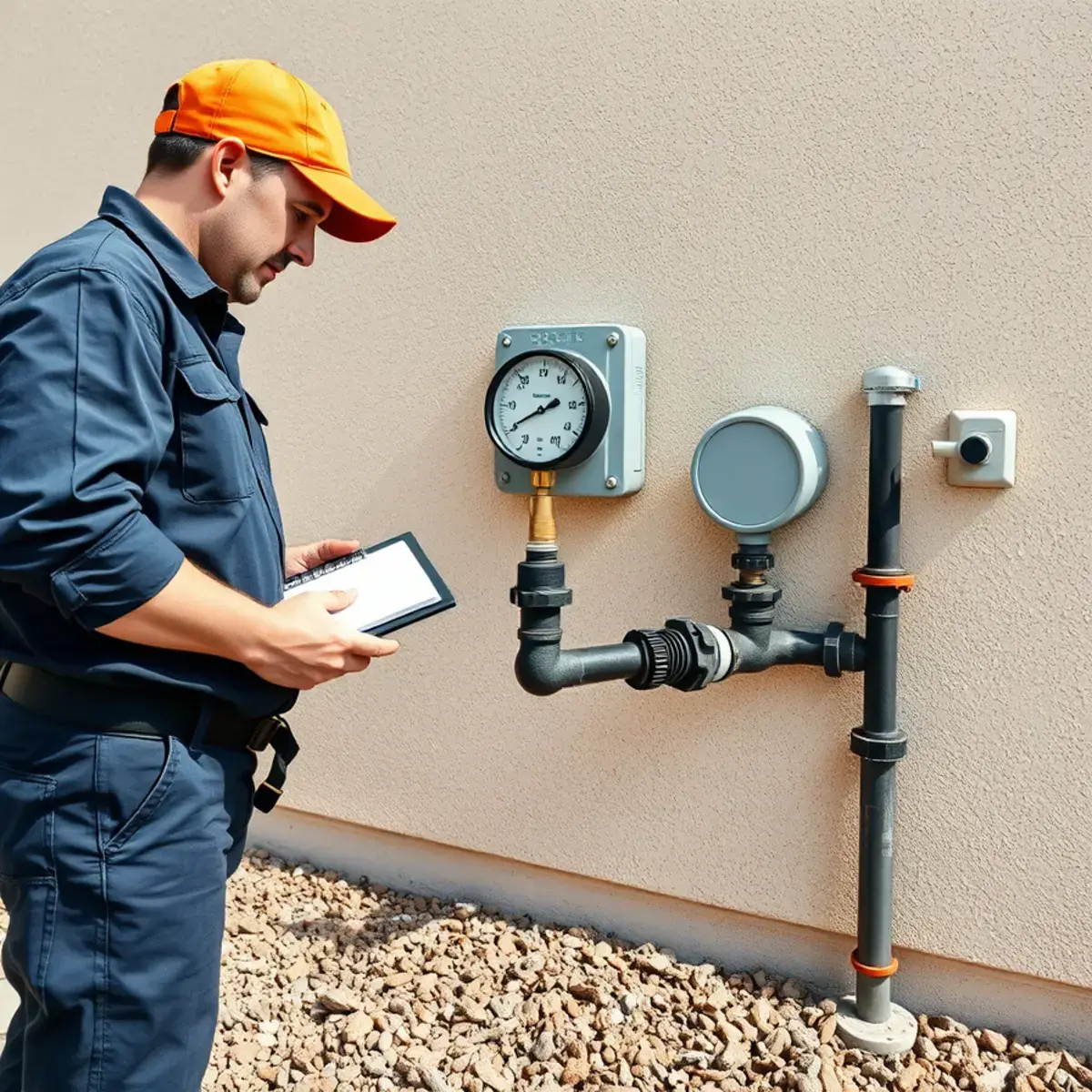
We isolate the section, pressurize it with air to the required test pressure, and hold it on a gauge for the required duration while observing for any drop. If it loses pressure, we locate the leak with electronic detection equipment before repairing. That test is also what the inspector needs to see.