Almost every home in San Tan Valley sits on a post-tension slab, and almost every one of them was built between 1998 and 2020 with copper or PEX water lines running under that slab. When one of those lines develops a pinhole, the water has nowhere to go but into the soil beneath your floor — quietly, sometimes for months.
What you need to know about slab leak detection & repair here
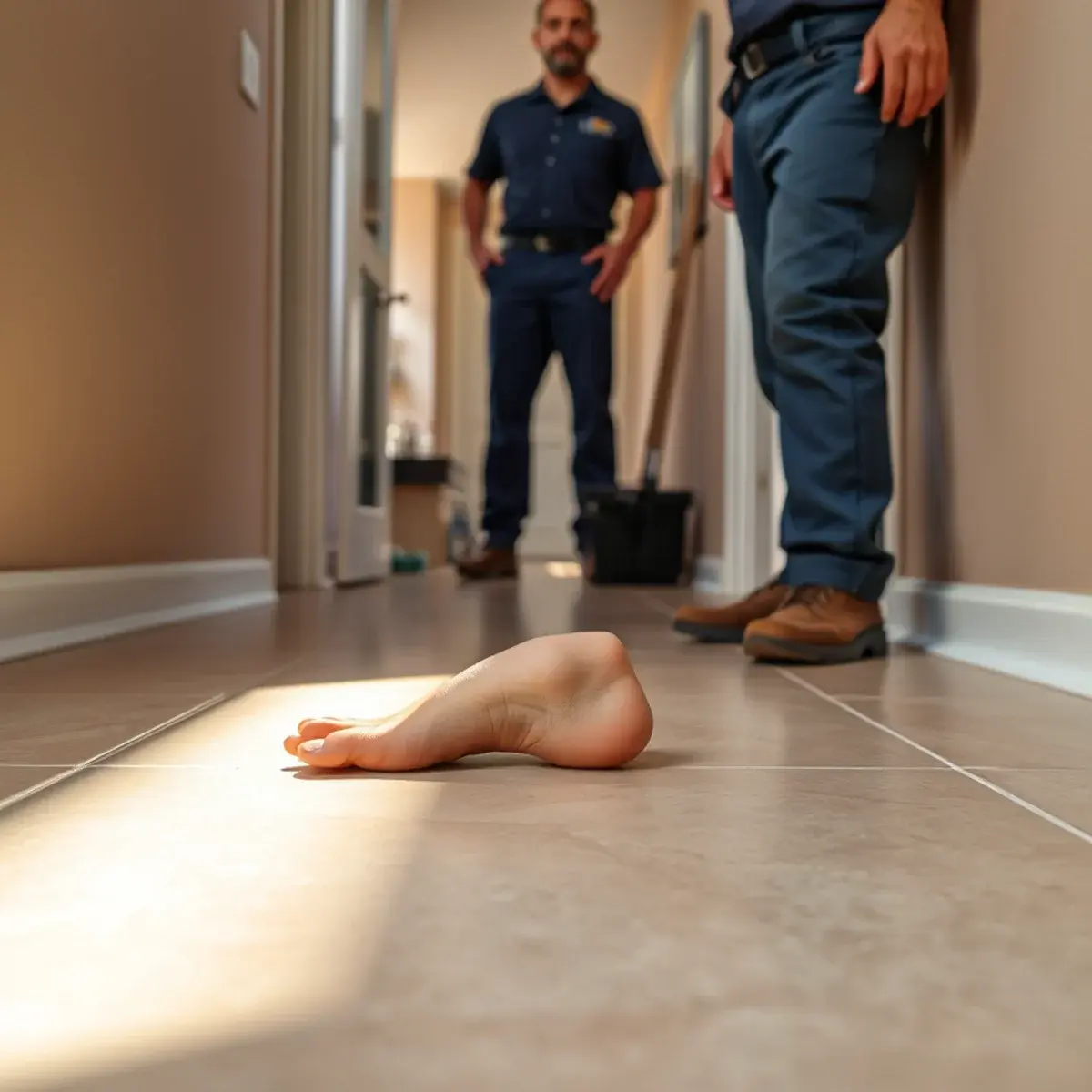
The tell-tale signs are specific: a warm patch on tile you notice with bare feet, a water bill that jumps by fifty dollars with no change in habits, a faint hiss when the house is silent at night, or a hairline crack that suddenly appears in a floor tile. Any one of those is worth a phone call. A hidden leak running at even a modest rate can move ten thousand gallons a month.
Post-tension slabs raise the stakes. Those slabs contain steel tendons under enormous tension, and cutting one is a serious structural event. We locate precisely before anyone touches concrete, and we bias hard toward reroutes that avoid the slab entirely.
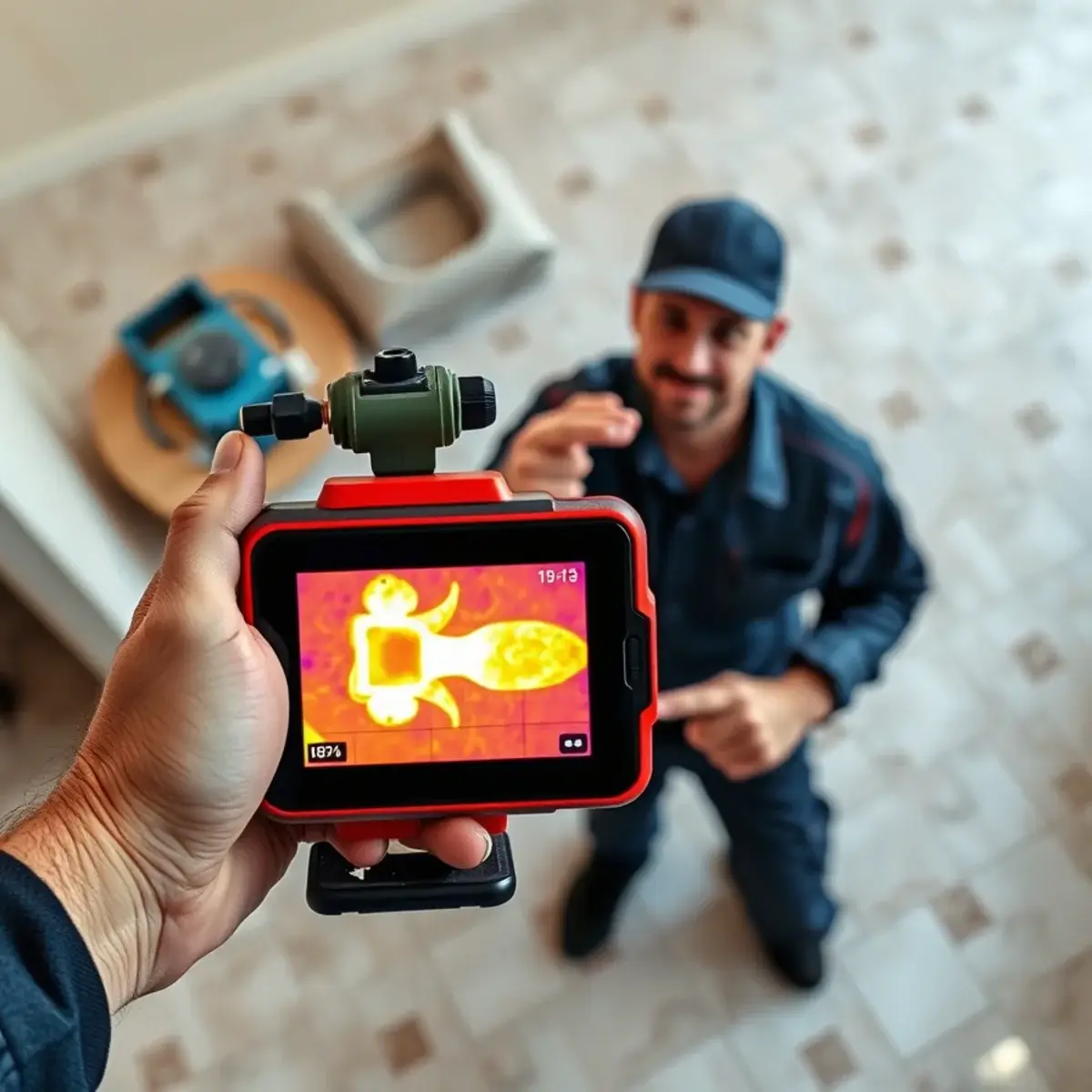
Thermal imaging camera revealing a hot water slab leak under a San Tan Valley floor
If any of these describe what you are seeing, it is worth a phone call — most of them get cheaper the earlier they are caught.
A warm or hot spot on the floor
The classic hot-water-side slab leak. If one patch of tile is noticeably warmer than the rest of the room, the hot line under it is leaking. Do not wait on this one.
Water bill up with no explanation
Shut every fixture in the house and watch the meter's low-flow indicator. If it moves, you have a leak somewhere on your side of the meter. Our [30-minute DIY leak audit](/blog/diy-whole-home-leak-audit/) walks through exactly how.
The sound of running water with everything off
Stand in a quiet hallway at night. A slab leak on a pressurized line makes a continuous hiss or rushing sound that seems to come from the floor.
Cracked or loose floor tile, or a damp baseboard
Water saturating the sub-slab soil moves the slab. Tile cracks in a line, grout darkens, baseboards swell and carpet stays damp near a wall.
Reduced hot water pressure throughout the house
When the hot side is leaking under the slab, every hot fixture in the house loses pressure at once — a useful clue for narrowing hot versus cold.
A musty smell or unexplained mold at floor level
Moisture wicking up through the slab into drywall and baseboards. Common in the guest bathrooms and closets that nobody uses daily.
What you get
What slab leak detection and repair includes
Location is the entire job. Anyone can break concrete — the skill is knowing exactly where to break it, or proving you do not have to.
Meter isolation test to confirm you actually have a leak before anything else happens
Hot-versus-cold isolation at the water heater, which eliminates half the slab in about ten minutes at no cost
Pressure testing the suspect line with air or water and watching for decay
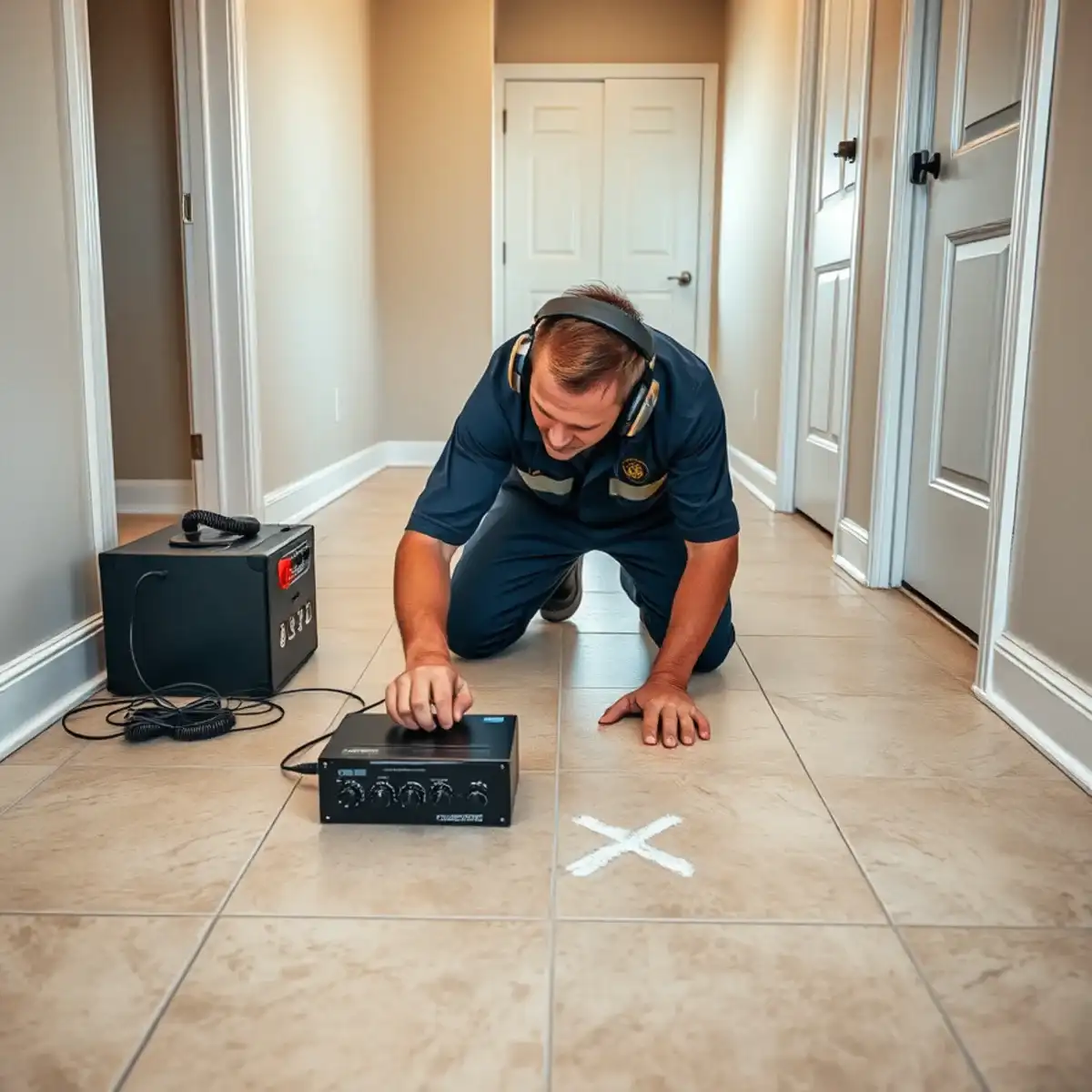
Acoustic ground-microphone listening for the frequency of pressurised water escaping a small orifice
Thermal imaging to read the heat plume of a hot-side leak through the floor
Electronic line tracing so we map where the pipe actually runs, rather than guessing from the fixture layout
The location and depth marked on your floor before anyone considers cutting
Ground-penetrating radar or cable scanning before any concrete penetration on a post-tension slab
All three repair options priced — spot repair, overhead reroute, whole-home repipe — with our honest recommendation
New line pressure-tested before it is buried or closed up, concrete and drywall patched, and a written report with photos for your insurer
Slab Leak Detection & Repair details
How We Locate a Slab Leak Without Tearing Up Your House
Location is the entire job. Anyone can break concrete; the skill is knowing exactly where to break it, or better, proving you do not have to. Our sequence:
1Isolate and confirm. Meter test with the house shut down, then isolate hot from cold at the water heater to prove which side is leaking. This alone eliminates half the slab on most jobs.
2Pressure test the suspect line. We isolate and pressurize with air or water and watch for decay. A line that holds is a line we stop chasing.
3Acoustic listening. Ground microphones over the slab pick up the specific frequency of pressurized water escaping a small orifice. On tile this works beautifully; on carpet over pad we adjust and use pressure and thermal instead.
4Thermal imaging. For hot-side leaks, an infrared camera reads the heat plume through the floor and narrows the location to a small area.
5Line tracing. Electronic tracing maps the actual path of the pipe under the slab, so we know what runs where instead of guessing from the fixture layout.
By the time we recommend a repair method, we can put a mark on your floor and tell you the depth. That is the standard. If we cannot locate it confidently, we say so and bring in a second set of equipment rather than opening the floor and hoping.
Post-Tension Slabs: Why San Tan Valley Is Different
A post-tension slab is a concrete slab reinforced with high-strength steel cables that are tensioned after the concrete cures. It is the standard foundation across San Tan Valley's boom-era subdivisions — Castlegate, Rancho Bella Vista, Morning Sun Farms, Cambria and dozens more — because it performs well on our expansive soils.
It also means you cannot saw-cut a trench across a slab the way you can with a conventional rebar slab. Cutting a tendon releases thousands of pounds of stored force. It is genuinely dangerous and it compromises the foundation. Any plumber who talks casually about trenching your living room floor in this town is telling you something important about their experience level.
Your Three Repair Options, Honestly Compared
1. Spot repair (open the slab)
Cut a small opening in the floor at the leak, repair the section of pipe, patch the concrete. Lowest material cost, and the right answer when the pipe is otherwise in good shape and the leak is in an accessible, low-consequence location like a garage or a laundry room. On a post-tension slab we scan first, every time. The downside: you have flooring to repair, and if the pipe is failing from age or water chemistry, you will be back.
2. Reroute (abandon the run, go overhead)
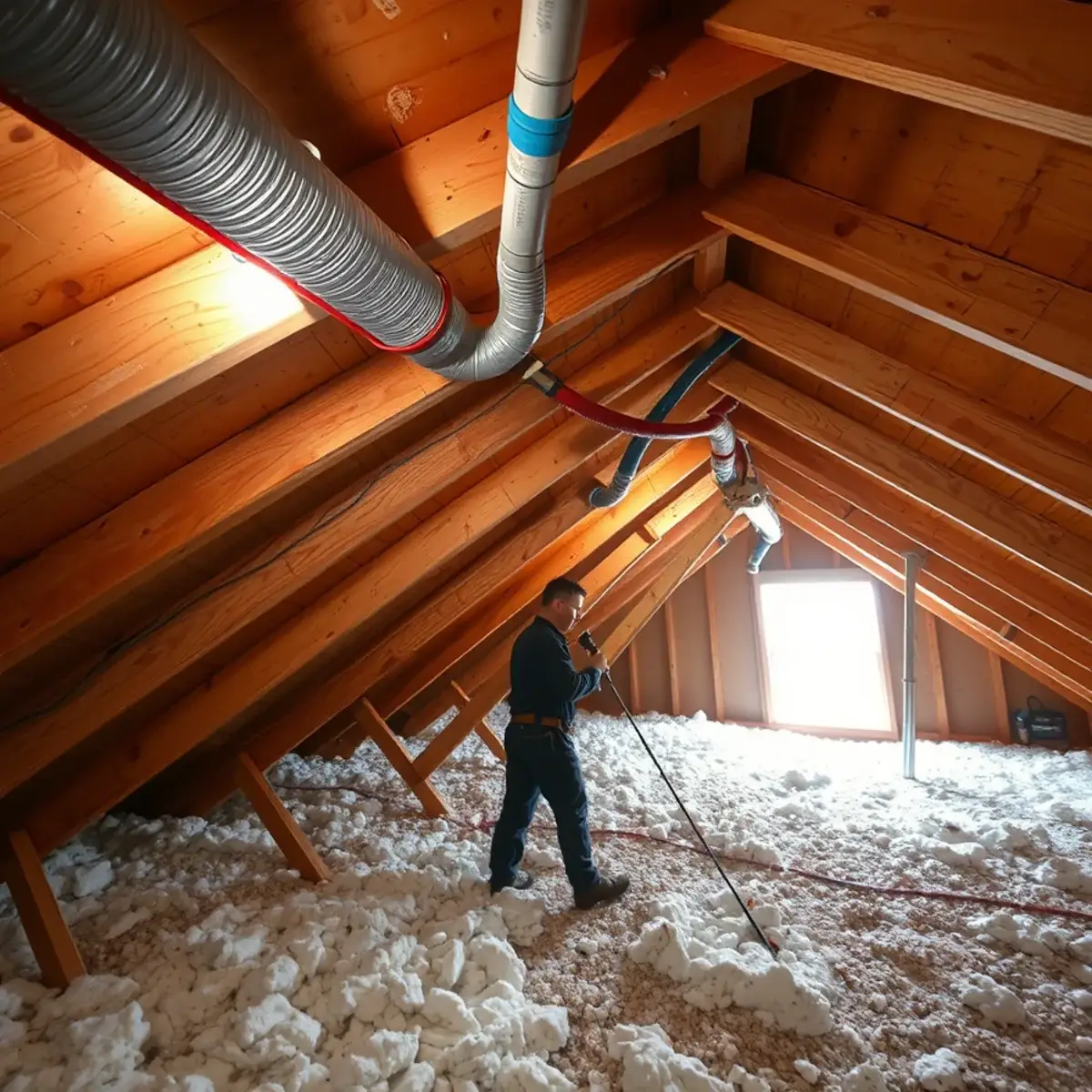
We abandon the leaking under-slab segment and run a new line — usually PEX — through the attic and down the walls to the fixture. No concrete cut, no tendon risk, and the new line is accessible forever. This is our most common recommendation for single-line failures in San Tan Valley, and on many homes it costs less than a spot repair once you count flooring restoration.
3. Whole-home repipe
When you have had two or three pinholes in the same house, you do not have three unlucky spots — you have a system telling you its service life is over. At that point every dollar spent chasing individual leaks is wasted. A full repipe resets the clock and ends the problem. We will tell you plainly when we think you have crossed that line.
Why Copper Fails Under San Tan Valley Slabs
Pinhole leaks in under-slab copper come from a combination of factors we have in abundance here: aggressive water chemistry, high line pressure from municipal supply, the abrasion of soil movement against unwrapped pipe, and simple velocity erosion on the hot side, where recirculating water at temperature slowly thins the pipe wall at elbows.
Hot lines fail before cold lines nearly every time. That is why we always start by isolating at the water heater — it is the fastest way to cut the search area in half — and why so many of the reroutes we run are hot-side only.
Insurance, Documentation and What to Photograph
Most Arizona homeowners policies cover the resulting water damage — the flooring, drywall and contents — while excluding the pipe repair itself and often excluding the cost of accessing it. The details vary enormously by carrier and endorsement, so read your policy rather than taking anyone's word. We cover the specifics in does homeowners insurance cover slab leaks in Arizona.
What helps every claim: date-stamped photos before anything is moved, your last twelve months of water bills showing the consumption jump, and a written leak-detection report identifying the location and cause. We provide the report on every slab leak job whether you file a claim or not.
New PEX water line rerouted through an attic to bypass a slab leak in San Tan Valley
How we work
Our slab leak detection & repair process
No surprises, no mystery. Here is exactly what happens from the phone call to the walkthrough.
1
Verify there is a leak at all
Meter test with the house isolated. Roughly one call in six turns out to be an irrigation leak, a running toilet flapper or a failing pressure-reducing valve — all far cheaper problems, and we would rather find that than sell you a slab job.
2
Isolate hot from cold
Shutting the water heater cold inlet and re-testing tells us which system is losing water. This is free, takes ten minutes and halves the search area.
3
Pinpoint with acoustic, thermal and tracing equipment
We mark the location and the depth on your floor, and we show you the readings that got us there. No cutting until the location is confirmed by at least two methods.
4
Present repair options with real numbers
Spot repair, reroute or repipe — each with a price, a disruption estimate and our honest recommendation for your specific house and how long you plan to stay in it.
5
Repair, pressure test, restore
GPR or cable scan before any concrete work on a post-tension slab. New line pressure-tested before it is buried or closed up. Concrete patched, drywall patched, jobsite cleaned. Written report and photos for your records and your insurer.
What it costs
What drives the price of slab leak detection & repair
We do not publish flat prices for work nobody has looked at — that is a guess dressed up as a quote. Here is what actually moves the number, so you can read any estimate you receive.
Detection versus repair
Locating is its own scope of work and is priced separately, because sometimes the honest outcome is 'your slab is fine, your irrigation valve is leaking.' If we do the repair, the detection fee is credited toward it.
Which repair method the house calls for
A garage spot repair is the least expensive path. An overhead reroute of a single hot line sits in the middle. A whole-home repipe is the largest number and the only one that ends the problem permanently.
Flooring type and restoration
Cutting through tile in a hallway means matching tile you may no longer be able to buy. Cutting a garage slab means a broom finish and you are done. This difference is often the deciding factor between spot repair and reroute.
Post-tension scanning
Any slab penetration on a post-tension foundation includes a cable scan. It is a real cost and it is not optional — it is what keeps a plumbing repair from becoming a structural repair.
How many leaks the house has had
First pinhole in a 2005 home is a repair. Third pinhole in the same home is a repipe conversation, and continuing to spot-repair is the more expensive choice over any reasonable time horizon.
Why Economy Plumbers
Why San Tan Valley homeowners call us for slab leak detection & repair
Licensed, bonded and insured Arizona plumbing contractor. 20+ years of combined plumbing experience, dispatched from 2769 E Combs Rd — and 4.9★ from 168 customers who mostly mention the same things.
We reroute instead of cutting your floor
Nearly every home here sits on a post-tension slab. On most jobs we abandon the failed run and go overhead in PEX — no tendon risk, no tile you can no longer buy, and the new line stays accessible forever.
Two methods have to agree before we cut
Acoustic, thermal and line tracing. We do not open a floor on one reading, and if we cannot locate confidently we bring different equipment rather than exploratory demolition.
One call in six is not a slab leak
It turns out to be irrigation, a toilet flapper or a failing pressure regulator. We would rather find that — and the detection fee is credited toward the repair if we do the work.
Documentation your adjuster will accept
A written detection report with photos, the location and cause, on every job whether or not you plan to file. Adjusters ask for the cause determination first.
We say when it is time to stop repairing
Two or three pinholes in one system is not bad luck. We will lay out the repipe numbers next to the spot-repair numbers and let you decide with real information.
Get a written quote for slab leak detection & repair
Flat-rate pricing agreed before work starts, and we will tell you honestly if there is a cheaper answer.
Castlegate's post-tension slab construction makes under-slab pinhole leaks especially consequential — a hidden leak can run for weeks at 10,000+ gallons a month before detection.
Master-planned streets off the Bella Vista Rd corridor where post-tension slab homes from the 2000s boom are prime candidates for pinhole slab-leak detection and reroutes.
Classic post-2000 stucco-and-tile tract homes on slab where thermal expansion in 110-degree attic runs fatigues joints, driving pinhole-leak and repipe calls.
Affluent agritainment hub around Schnepf Farms and the Queen Creek Olive Mill, with nonstop luxury new construction driving softener and tankless demand.
Turn off every fixture and appliance in the house, then check the low-flow indicator on your water meter. If it is still turning, water is moving somewhere on your property. From there, shutting off the irrigation system and re-checking separates a landscape leak from an indoor one. That two-step test takes fifteen minutes and it is the first thing we do on site.
Often, no. On most San Tan Valley homes we can reroute the failed line overhead through the attic and never touch the slab. When a spot repair genuinely is the better option, we open the smallest possible section and — because nearly every home here has a post-tension foundation — we scan for tendons before any concrete is cut.
It is if it is done blind. Post-tension slabs contain steel cables under thousands of pounds of tension, and severing one is both hazardous and structurally significant. That is why we scan first and why we recommend an overhead reroute whenever it is the practical equivalent.
Detection is typically one to three hours. A single-line overhead reroute is usually a one-day job. A spot repair including concrete work is one to two days including cure time. A whole-home repipe on an average San Tan Valley single-story runs two to four days.
Most policies cover the resulting water damage but exclude the pipe repair itself, and coverage for access — the cost of opening and closing the slab — varies by carrier. Read your specific policy language. We provide a written detection report with photos on every job, which is what adjusters ask for first.
A slab leak can run for months before anything visible happens. Here are the eight signals, ranked by how often they turn out to be real — and the free test that settles it.
The short answer: usually the damage, rarely the pipe, and it depends on your endorsements. Here is what to check on your declarations page and what documentation actually moves a claim.
Read the guide
Free estimate
Request a quote for slab leak detection & repair
Tell us what is happening and we will call you back. Or call now — a real person answers.
Need a plumber in San Tan Valley today?
Call and a real person picks up — day, night, weekend or holiday. Most in-town calls see a truck in 60–90 minutes.