DIY Whole-Home Leak Audit: A 30-Minute Checklist
Your water meter can find a leak you cannot see. Thirty minutes, no tools beyond food coloring, and it settles whether you have a slab leak or a five-dollar flapper.
The short answer
Thirty minutes and five steps. Shut every fixture and watch the meter's low-flow indicator for two minutes. If it moves, shut the irrigation and re-check. Then dye-test every toilet, walk the house checking under sinks and behind toilets, and finally isolate the water heater's cold inlet to separate hot from cold.
A water bill that jumped is one of the most common reasons homeowners call us, and roughly half the time the answer is something the homeowner could have found themselves in thirty minutes. Here is the sequence, in the order that eliminates the most possibilities fastest.
Step 1 — The meter test (5 minutes)
This is the master test and everything else depends on it.
- 1Turn off every water-using fixture and appliance in the house. Dishwasher, washing machine, ice maker, humidifier, everything.
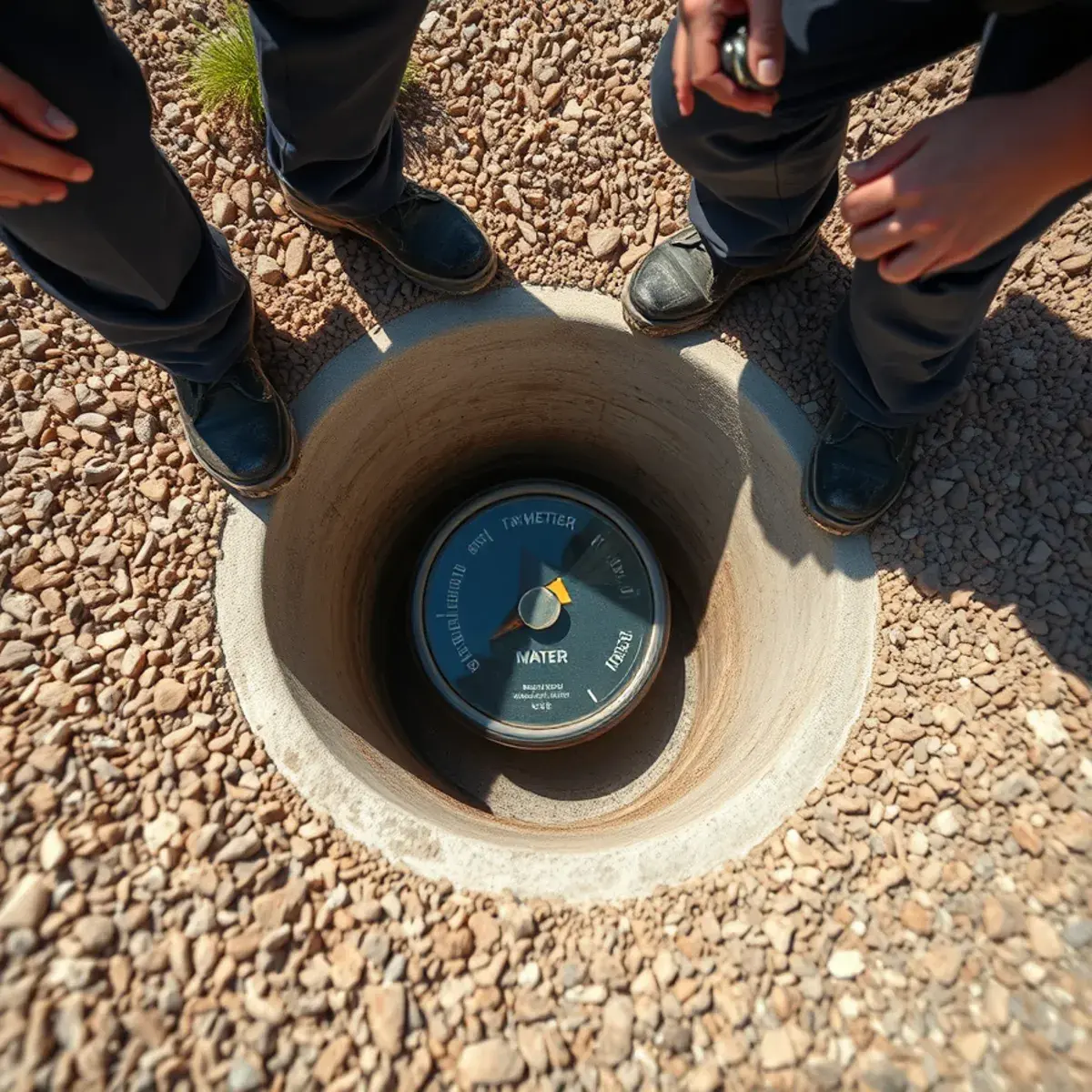
- 2Find your water meter — usually in a box near the front property line.
- 3Look for the low-flow indicator: a small triangle, star or dial that spins on very small flows. It is more sensitive than the main dial.
- 4Watch it for two full minutes.
If it does not move: you have no active leak on your side of the meter right now. Your bill increase is either usage, an intermittent leak like a toilet that only runs sometimes, or a billing issue. Skip to step 3 anyway — intermittent toilet leaks are common.
If it moves: water is going somewhere. Continue.
Step 2 — Isolate irrigation (5 minutes)
Shut off the irrigation system at its valve, then re-check the meter.
If the movement stops: your leak is in the landscape lines — a cracked drip lateral, a failed valve, a broken emitter. On gravel-landscaped lots that can leak for months without surfacing. Common on the larger lots in Pecan Creek, Bella Vista Farms and Taylor Ranch.
If it keeps moving: the leak is in the house or the buried supply line.
Step 3 — Dye-test every toilet (10 minutes)
This is where the most common answer lives.
- 1Put several drops of food coloring in each toilet tank.
- 2Do not flush for twenty minutes.
- 3Check each bowl for color.
Color in the bowl means water is leaking past the flapper — silently, continuously, and onto your bill. In 15 to 18 grain water this is the single most common cause of an unexplained increase, and homes frequently have two doing it at once.
The durable fix is not just a new flapper. The flush valve seat mineralizes too, so a fresh flapper sealing against a rough seat fails again within months — see running toilet: the hard-water fixes that actually last.
Step 4 — Walk the house (10 minutes)
- Under every sink — dampness, corrosion or mineral crust at the angle stops and supply connections.
- Behind every toilet — the supply line and stop.
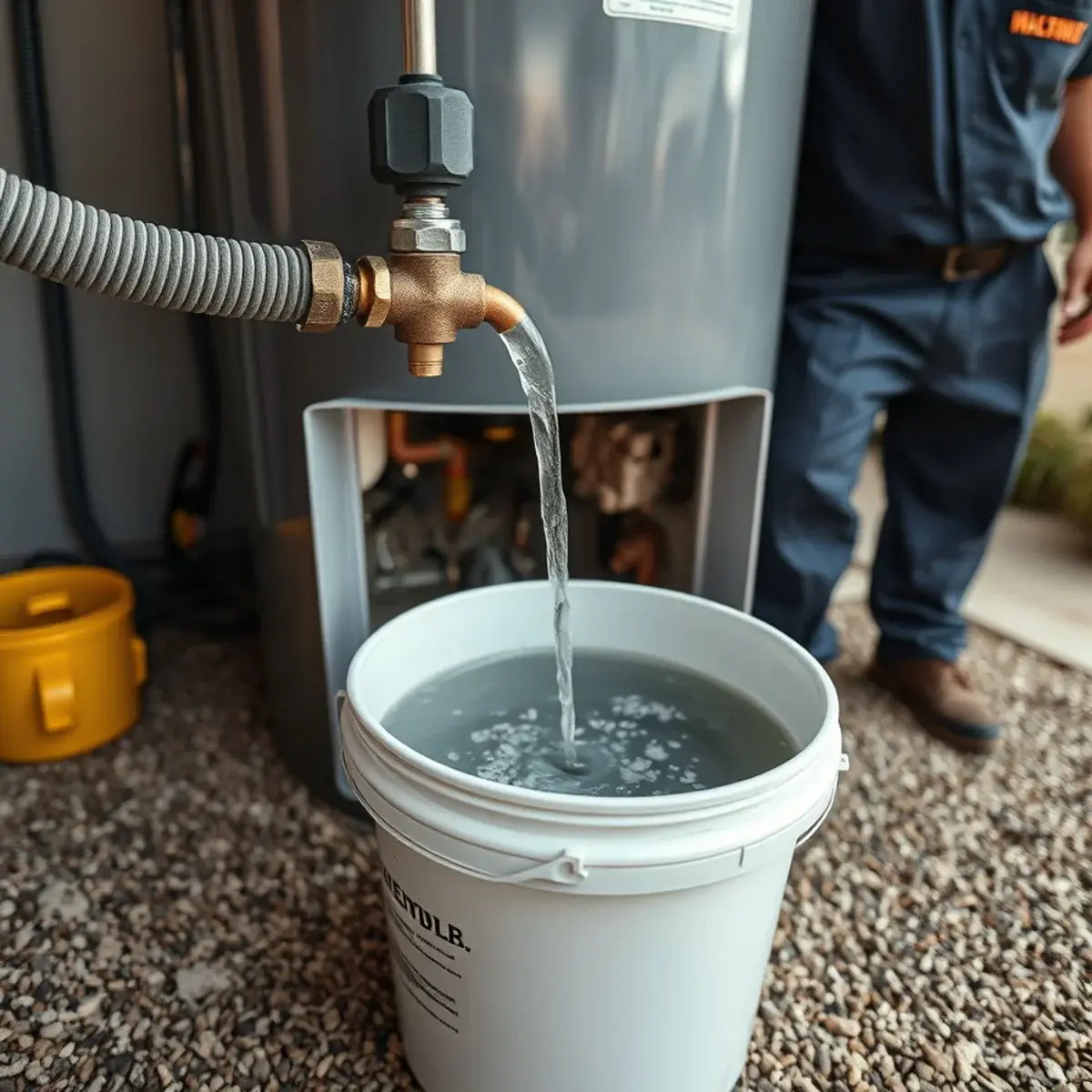
- The water heater — standing water in the pan, or dripping from the T&P discharge line.
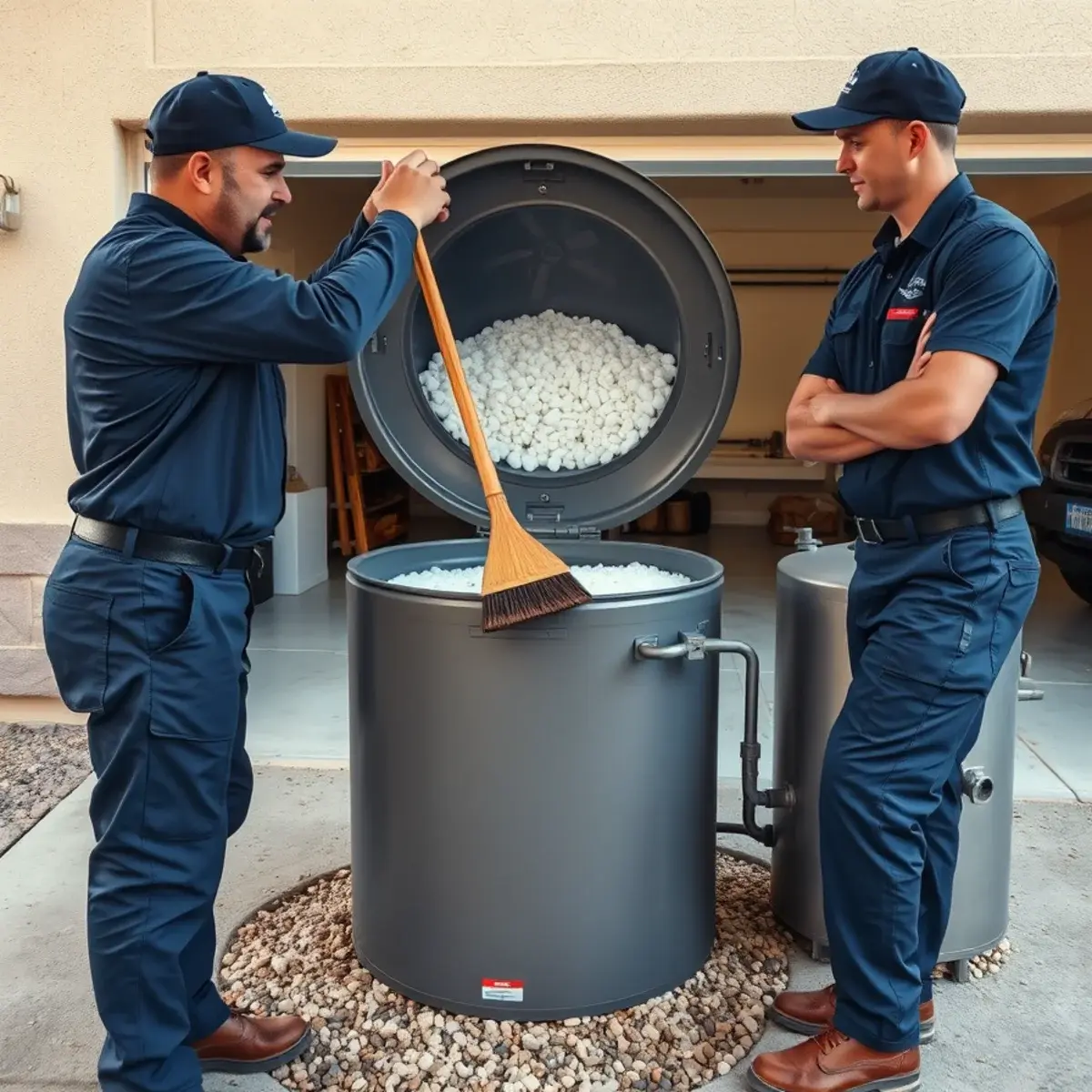
- The softener — water around the base, or a drain line running when it should not be.
- Washing machine hoses — bulging, stiffness or rust at the connections.
- Every hose bib — weeping at the stem when closed.
- Ceilings below any attic plumbing — staining or discoloration.
Step 5 — What is left is the concerning part
If the meter is moving, irrigation is off, every toilet passed the dye test, and nothing visible is leaking, then the water is going somewhere you cannot see. That means one of:
- A slab leak — a failed line under the foundation. Look for a warm floor spot, a hairline crack in tile, or the sound of running water at night. See slab leak warning signs.
- An in-wall leak — a supply line inside a wall cavity, often showing as a damp baseboard or bubbling paint.
- A buried yard-line leak between the meter and the house, which on larger lots can run invisibly for months.
When to call
Call once you have a moving meter with no visible cause. At that point you need instruments — acoustic listening, thermal imaging, line tracing — and guessing gets expensive fast. See slab leak detection and emergency leak service.
Run this audit twice a year, and always in May before monsoon season. Ten thousand gallons a month can disappear under a slab without a single visible drop, and the earlier you catch it the smaller the whole problem stays. Seasonal owners in Sun Lakes and the retirement communities should run it before departing and again on return.
The free test that halves a professional's search area
Closing the cold inlet on top of your water heater and re-checking the meter tells you whether the loss is on the hot side or the cold side. Hot lines fail far more often than cold ones, and that single step eliminates half the slab before anyone bills you for acoustic equipment.
It is also the step that separates a diagnosis from a sales visit. Any plumber who cannot describe the meter test, the irrigation isolation and the hot-cold split to you before quoting a detection is not narrowing anything down — and roughly one call in six ends at one of those free steps with no slab leak at all.
The scale of what stays invisible is the reason to bother. A slab leak can move well over ten thousand gallons a month with no water ever appearing, and a continuously running toilet several hundred gallons a day. Neither announces itself; both show up first as a bill that stepped up and stayed up.
The bottom line
Run it twice a year, and always in May before monsoon season. If the meter is moving with everything off, irrigation isolated and every toilet passing the dye test, stop guessing — that is when instruments earn their money. Seasonal owners in Sun Lakes and the retirement communities should run it before departing and again on return. See slab leak detection.
Frequently asked questions
Turn off every fixture and appliance in the house, find the low-flow indicator on your meter — a small triangle or dial that spins on tiny flows — and watch it for two minutes. If it moves, water is going somewhere on your side of the meter. It is the single most useful diagnostic a homeowner can run.
Most likely an intermittent leak, and a toilet that only runs sometimes is the usual culprit. Dye-test every toilet anyway. Beyond that, check whether usage genuinely changed — a new irrigation schedule, house guests, a pool topping off more in summer heat.
A slab leak can move well over ten thousand gallons a month with no visible water at all, and a continuously running toilet can waste several hundred gallons a day. That is why the meter test matters — both of those are invisible until they show up on a bill.