Summer Plumbing Checklist: Protecting Pipes at 110°F
Arizona pipes do not burst from freezing. They burst from heat cycling, sun exposure and pressure — and summer is when all three peak.
The short answer
Arizona plumbing fails in summer, not winter. Seven checks: hose bibs on the south and west walls, hardened braided supply lines, attic supply runs, the water heater in a 115-degree garage, static pressure, irrigation and the backflow assembly, and a whole-home leak check. None of them take long and most cost nothing.
Homeowners who moved here from colder places assume winter is when plumbing gets stressed. In San Tan Valley it is the opposite. Our failures cluster in June through September, and heat is the common cause.
1. Hose bibs on the south and west walls

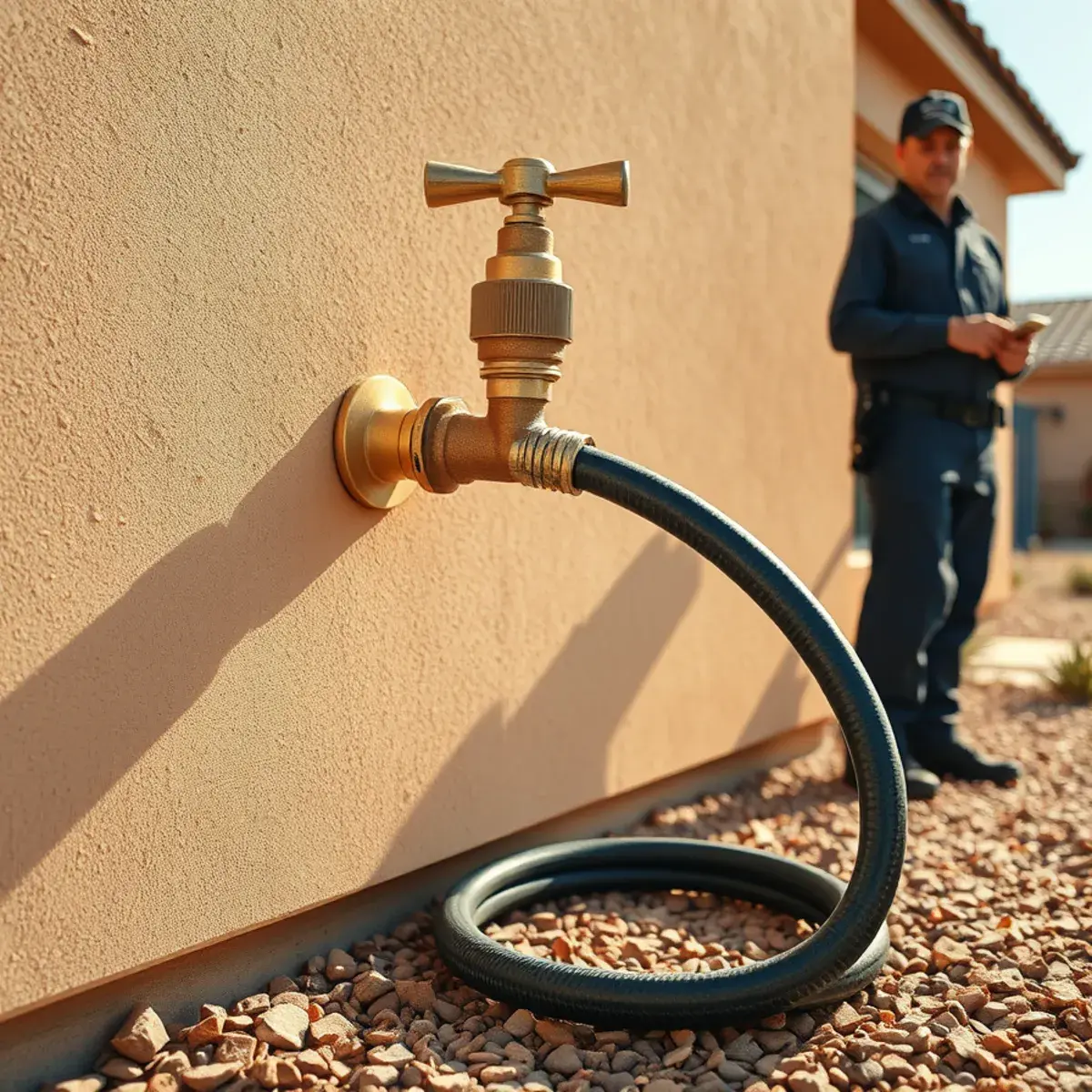
Exterior valves on the sun side take direct radiant heat all summer. The packing dries out, the valve body cycles thermally, and eventually the stem weeps or the body cracks — usually the first time somebody turns it on hard.
Do this: disconnect hoses when not in use so the bib is not left pressurized all summer. Check each one for weeping at the stem when closed. Replace failing builder-grade bibs with quarter-turn frost-free units, which handle thermal cycling far better.
2. Braided supply lines under sinks and behind toilets

These have a rubber core inside a stainless braid, and heat plus time hardens that core until it splits — at full line pressure, frequently when nobody is home. It is the most common indoor burst we see, and summer is when the aged ones let go.
Do this: if your home is past about fifteen years and the original lines are still in place, replace all of them. It is inexpensive, it is one visit, and it removes the single most common cause of sudden indoor flooding. See toilet and fixture repair.
3. Attic supply lines

An uninsulated Arizona attic exceeds 150 degrees in July. Copper expands and contracts through a 90-degree annual swing, and marginal soldered joints work loose over two decades — see Cambria, where this is the signature failure.
Do this: if you get a ceiling stain in summer with no rain, do not assume roof. Shut the main and call. Attic supply leaks do not stop on their own and the drywall is holding more water than the stain suggests. Also worth checking: the AC condensate line, which sludges up with dust and overflows its pan for the same visible result.
4. The water heater in a 115-degree garage

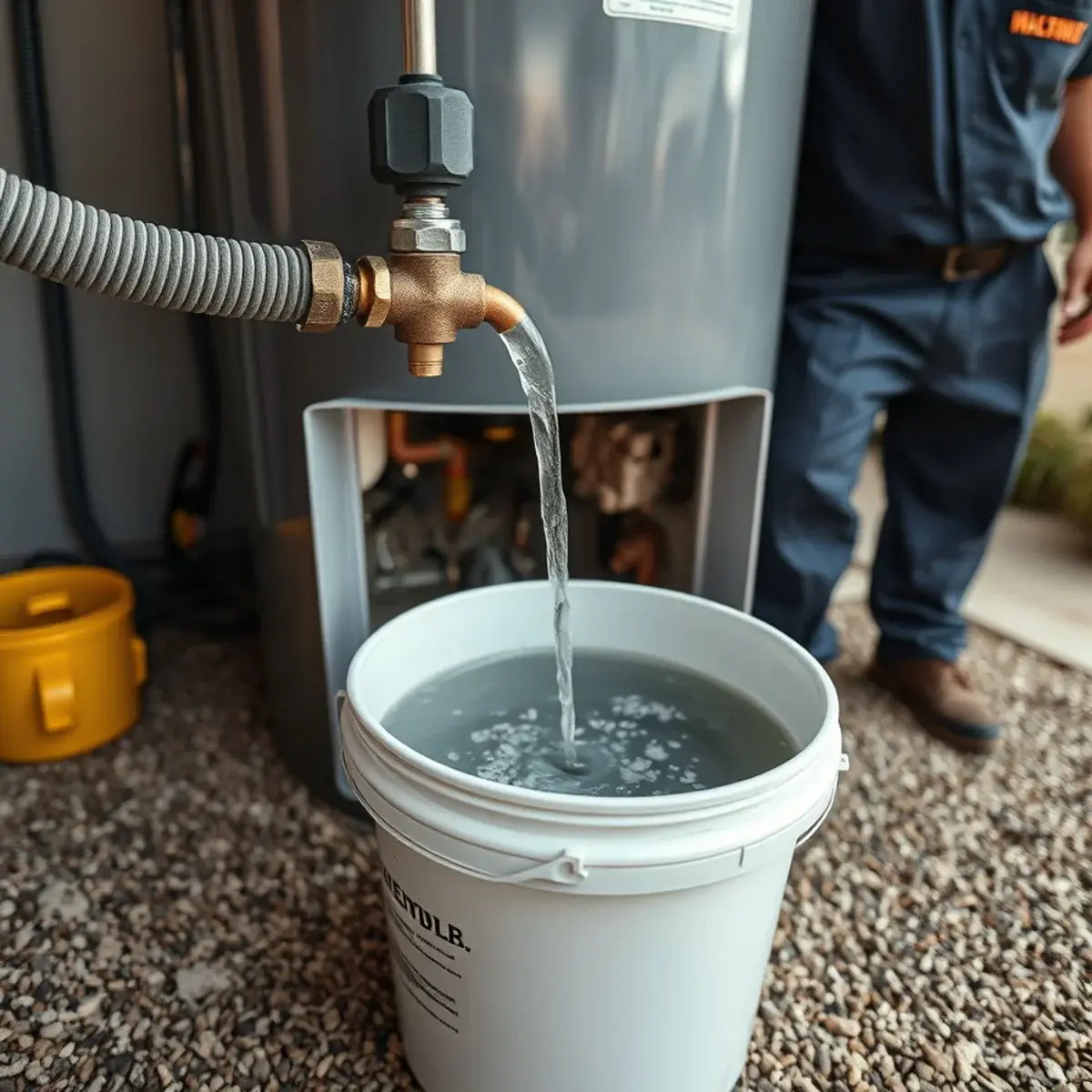
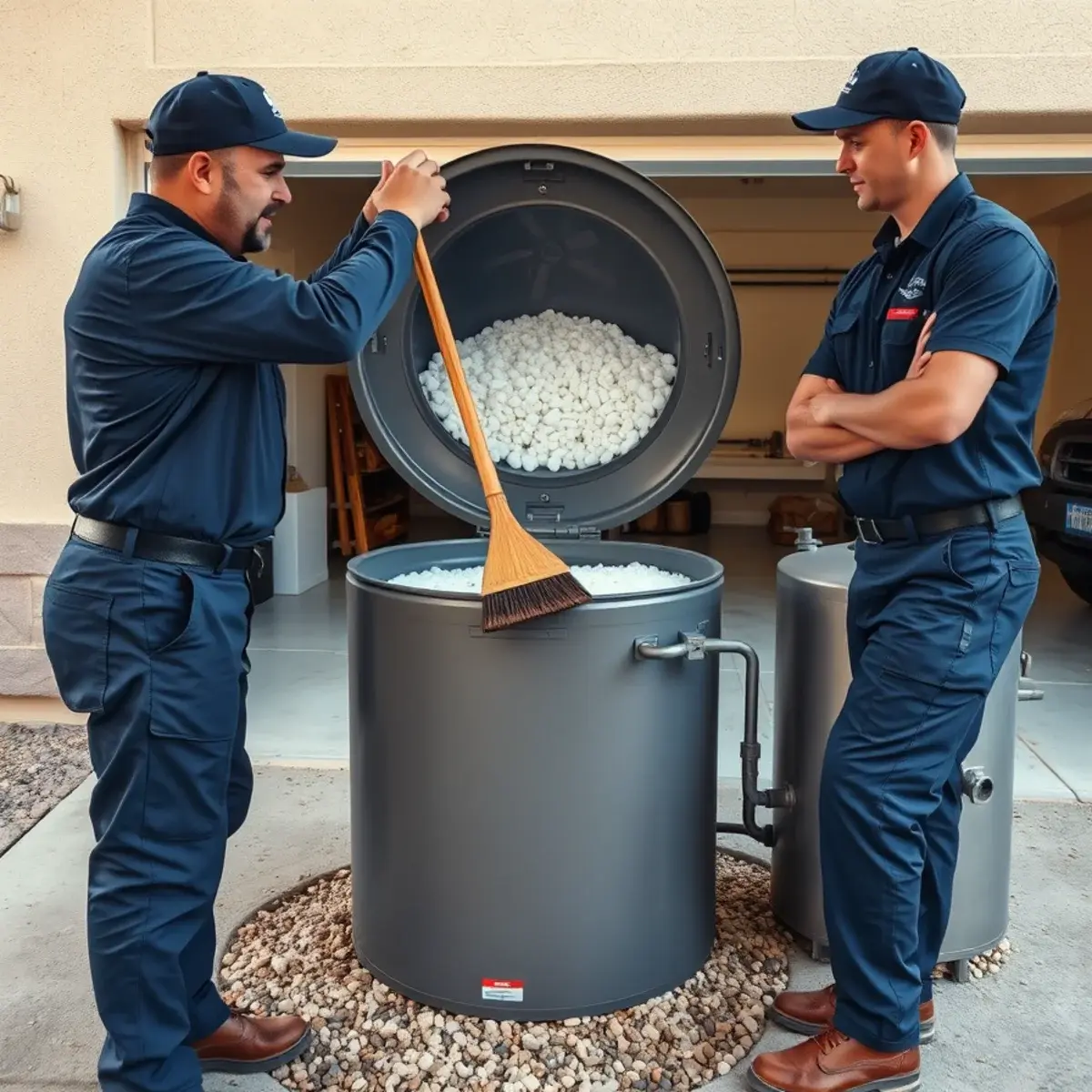
A tank in an unconditioned garage has less thermal margin on every component and works harder to hold temperature. Combined with sediment from 15 to 18 grain water, it is why tanks here fail at six to ten years against a rating of eight to twelve — see Wayne Ranch.
Do this: flush it before summer, verify the drain pan is actually piped to a drain, and if it is past year eight get it inspected so the replacement decision happens on your schedule rather than on a holiday weekend. See the annual flush checklist.
5. Static pressure

High pressure stresses every joint continuously, and it compounds everything above. Put a fifteen-dollar gauge on an outside hose bib with everything inside off. Above 80 psi is too high and a failing pressure-reducing valve is usually why.
Do this: if you have had a run of unrelated small failures, check this before spending on anything else — see low water pressure causes, which covers both directions of PRV failure.
6. Irrigation and backflow assemblies

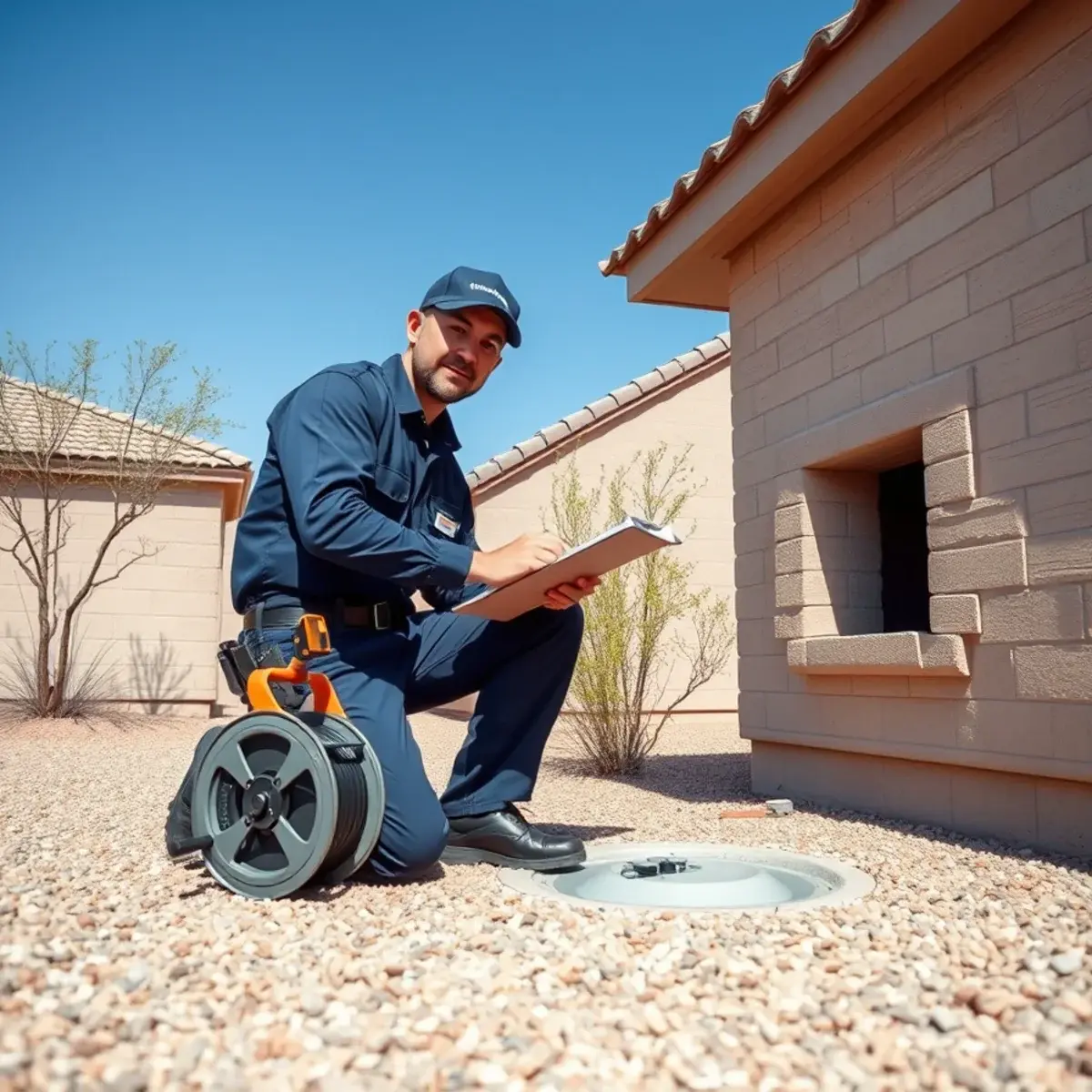
Landscape systems run hardest in summer, and the backflow assembly sits in full sun where its internal seals degrade. On larger lots — Pecan Creek, Bella Vista Farms — a failed drip lateral can leak into gravel for months without ever showing on the surface.
Do this: shut the irrigation off at the valve and check the meter. If a mystery loss stops, the leak is in the landscape. If the assembly is dripping or has never been inspected, have it looked at.
7. Whole-home leak check

Summer bills go up for legitimate reasons — more irrigation, more showers, pool evaporation — which is exactly why a genuine leak hides so well in a July bill.
Do this: shut everything off and watch the meter's low-flow indicator, then dye-test every toilet. Thirty minutes, no cost. See the DIY whole-home leak audit.
The five-minute summer walkaround
- 1Turn each hose bib on and off; watch for weeping at the stem
- 2Look under every sink for dampness or corrosion at the stops
- 3Check the water heater pan for standing water
- 4Look at the ceiling below any attic plumbing run for staining
- 5Check the meter with everything off
Do that once in June and once in August and you will catch nearly everything that turns into a summer emergency. If something turns up, our 24/7 emergency line is answered by a real person — and burst pipe repair covers what happens when one of these fails anyway.
Why heat breaks pipes when ice never does
Four mechanisms, none involving freezing. Braided supply lines have a rubber core inside the stainless braid that hardens with heat and time until it splits at full line pressure. Hose bibs on the sun side crack at the stem from repeated thermal cycling, especially with a hose left pressurised all summer.
Attic runs go from about 60 degrees in January to over 150 in July, and copper expands and contracts through every one of those cycles. Joints that were marginal at installation work loose over two decades of that — and they weep long before they burst, which is why a summer ceiling stain with no rain is worth acting on immediately.
Underneath all of it, static pressure compounds everything. Above 80 psi every joint and fixture is stressed continuously, and summer is when the already-fatigued ones give up. That is why we put a gauge on a hose bib before doing anything else on a repeat-failure call.
The bottom line
Do the five-minute walkaround in June and again in August — hose bibs, under every sink, the water heater pan, ceilings below attic runs, and the meter with everything off. If you leave town for the summer, shut the main, drain the system and set the heater to vacation: a supply line that splits in July in an empty house runs until October. Our burst pipe repair service handles it when prevention runs out.
Frequently asked questions
Heat, pressure and age rather than ice. Braided supply lines harden and split, hose bibs crack from sun exposure, attic solder joints fatigue through a 90-degree annual temperature swing, and copper thinned by aggressive water finally lets go. High static pressure accelerates all of it.
Yes. A hose left connected keeps the bib pressurized all summer and adds stress to a valve that is already taking direct sun on the south and west walls. Disconnecting takes ten seconds and it noticeably extends the life of the bib.
Almost always one of two things: an attic supply line leak, or a blocked AC condensate line overflowing its pan. Both need attention quickly. If it is a supply line, shut the main off — a pressurized attic leak does not stop on its own and the drywall is holding more water than the stain shows.