Pre-Monsoon Plumbing Checklist for Pinal County Homeowners
Monsoon season starts June 15. Everything on this list is easier, cheaper and more available in May than it will be in August.
The short answer
Do it in May, before the season starts June 15. The ten items in order of value: camera the main sewer line, locate and clear your cleanout, quote a backwater valve if you have backed up before, check your insurance endorsements, service the water heater, verify every shutoff turns, check drainage, run a leak audit, inspect exterior plumbing, and save the emergency number.
Monsoon season in Pinal County runs June 15 through September 30. Everything on this list costs less, schedules easier and works better done in May than discovered in August at 10 PM during a storm.
1. Camera the main sewer line
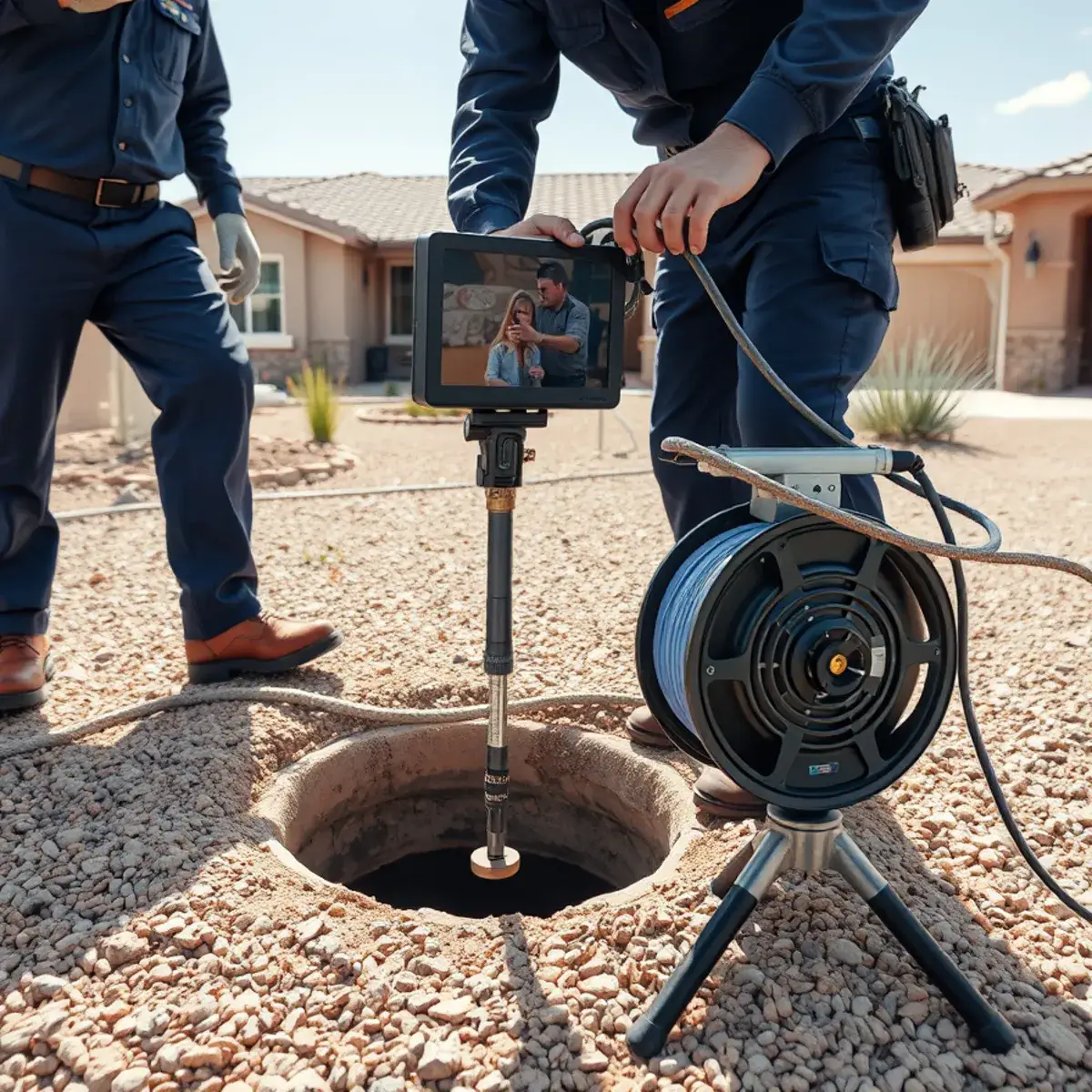
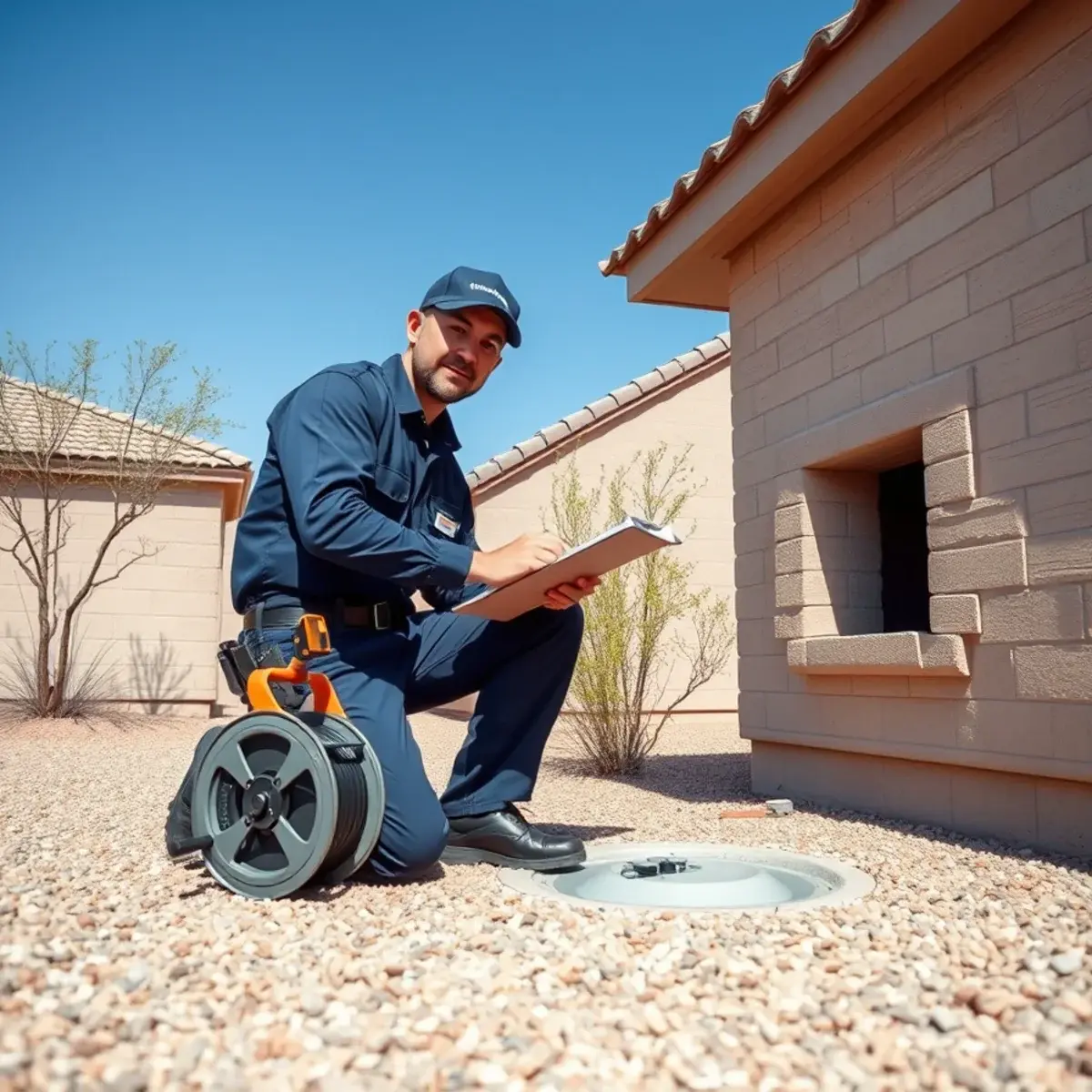
The single highest-value item. A lateral already restricted by roots, grease or a belly has no margin when the collection system surcharges during a heavy cell. A camera inspection tells you what condition your line is in and gives you weeks to address anything found on a schedule instead of at emergency rates.
2. Locate and clear your exterior cleanout
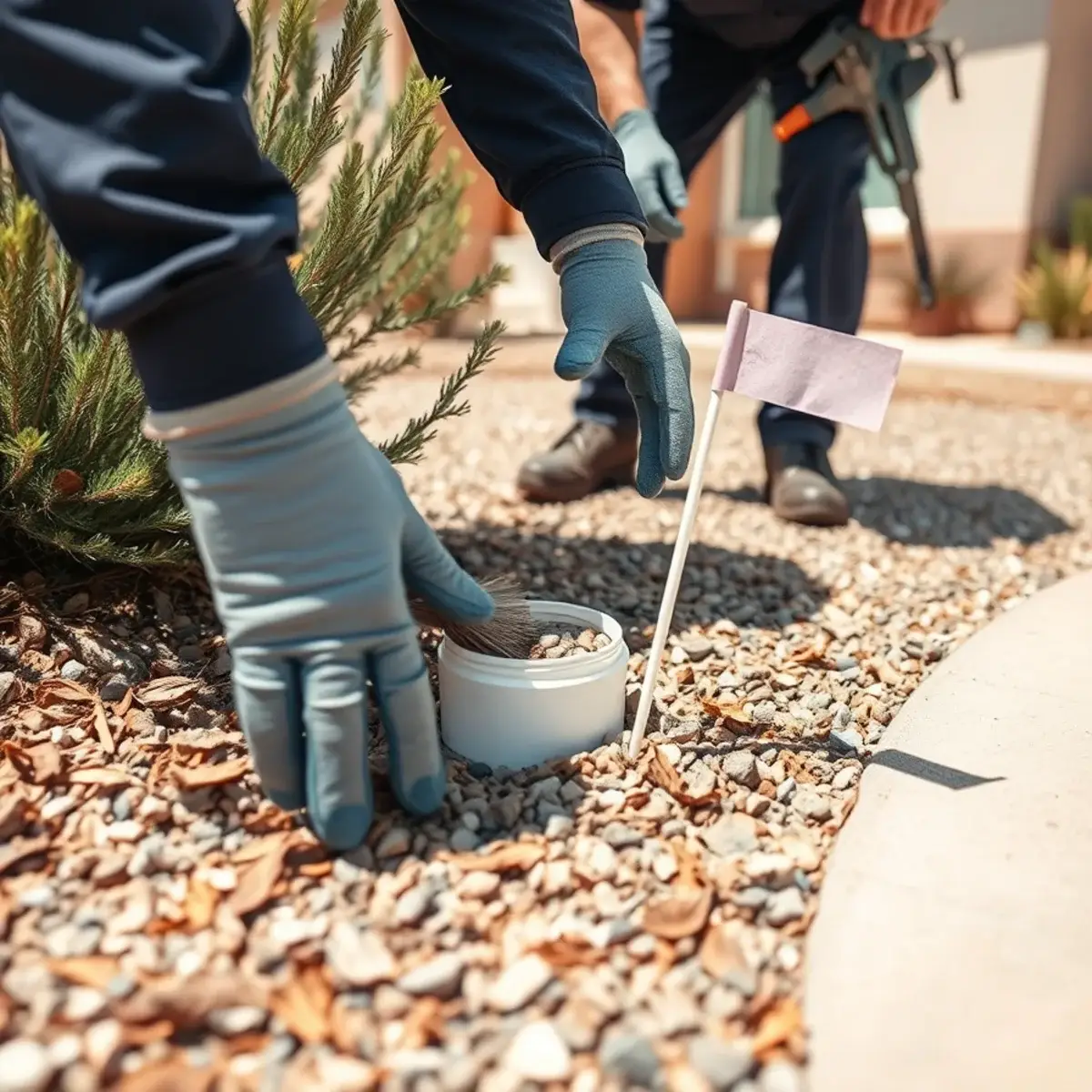
Most homes here have one in the yard with a threaded cap. Make sure yours has not been buried under landscaping rock or hidden behind a shrub. During a backup, an accessible cleanout lets waste discharge outside rather than into your house — and it gives us the fastest possible access.
3. Get a backwater valve quote if you have backed up before

If your home has flooded during more than one storm, cleaning the line again will not change the outcome. A backwater valve is a one-way check valve on your lateral: waste flows out, and when the main surcharges, it physically blocks it from coming back in.
It is permitted work requiring a pit and correct placement, so quoting it in May and installing it in June beats calling in August. See monsoon plumbing prep for the Hunt Highway corridor.
4. Check your insurance endorsements

Standard Arizona homeowners policies frequently exclude sewer backup unless you carry a specific water backup endorsement. It is inexpensive. Pull your declarations page and look — and while you are there, check whether you have service line coverage for the buried water and sewer lines on your property.
5. Service the water heater
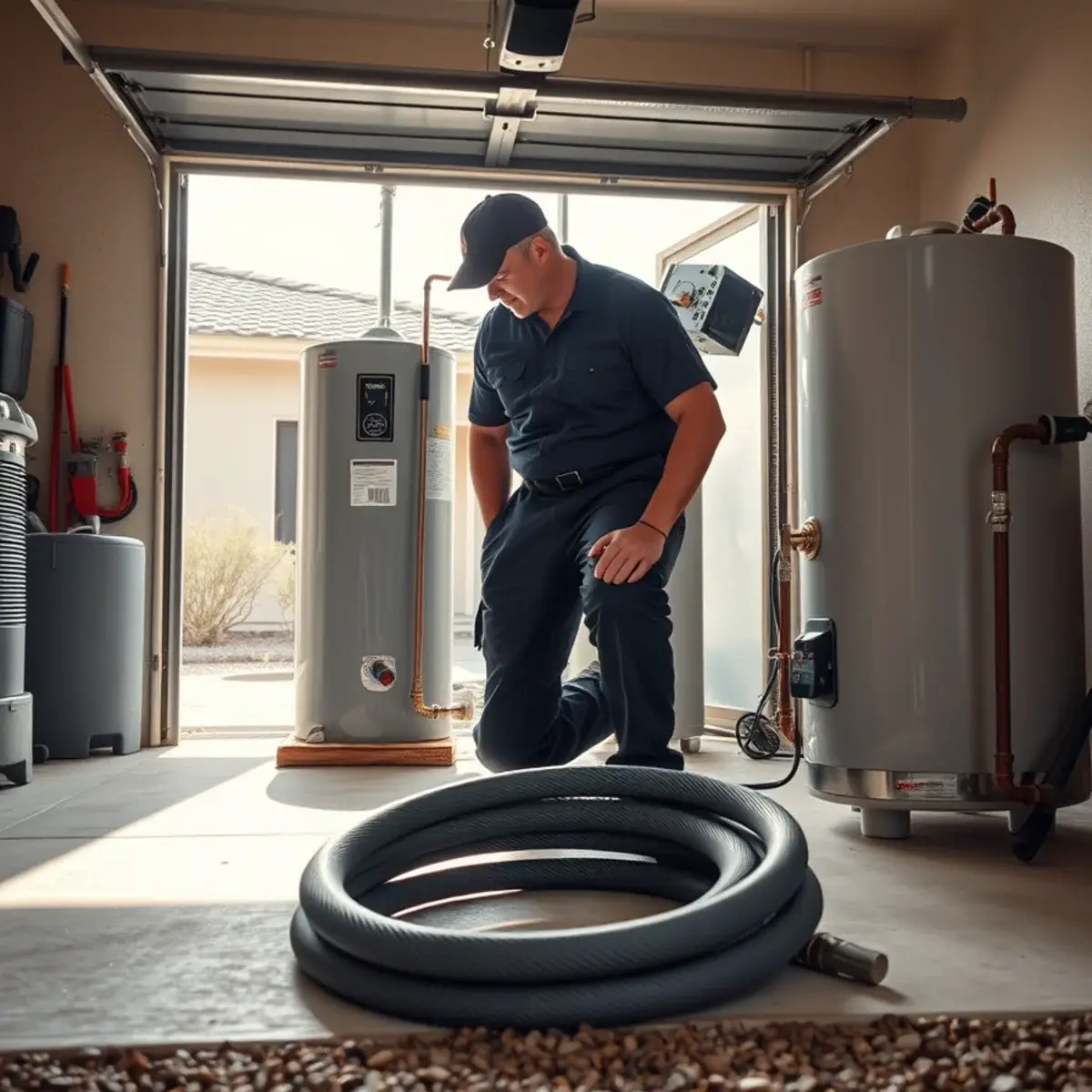
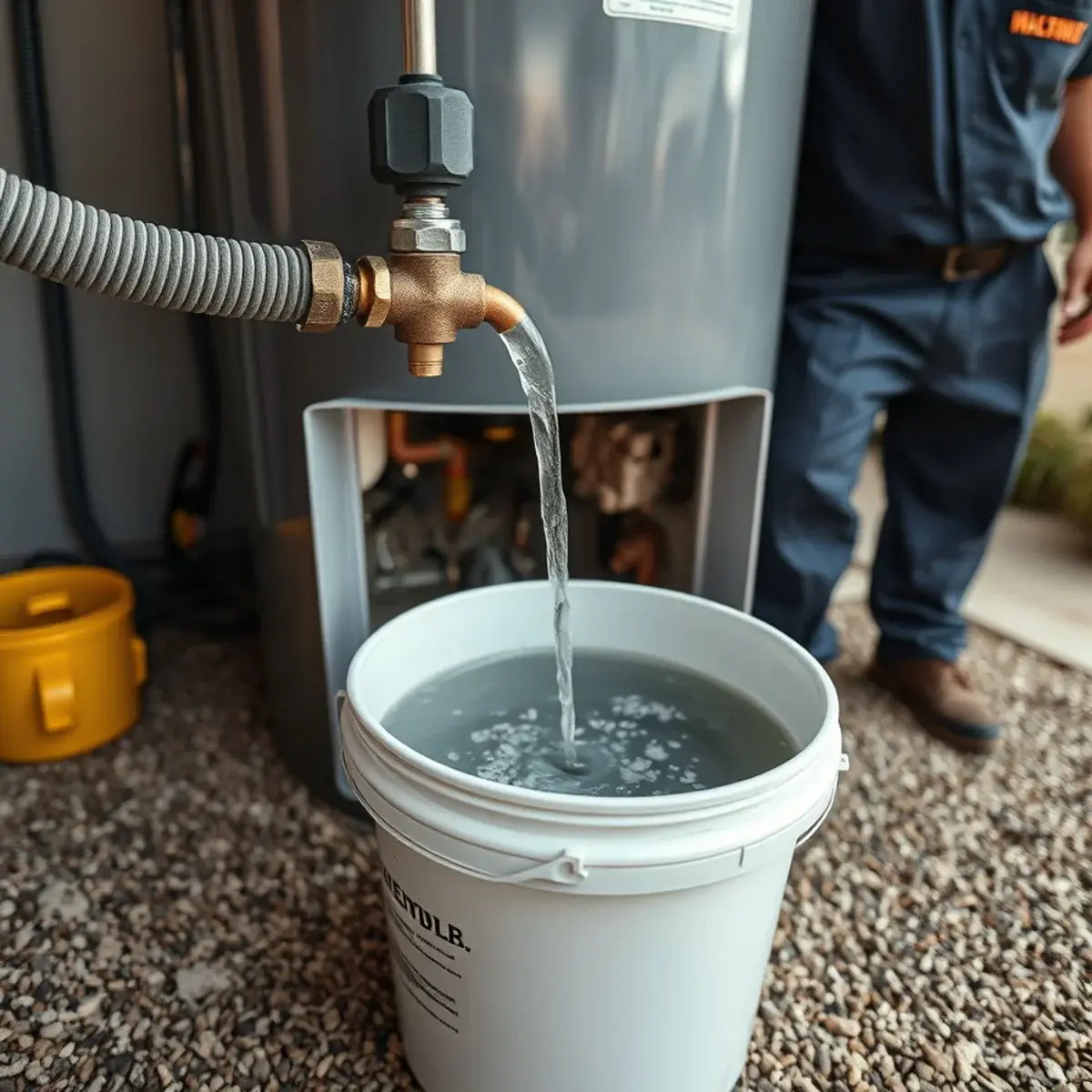
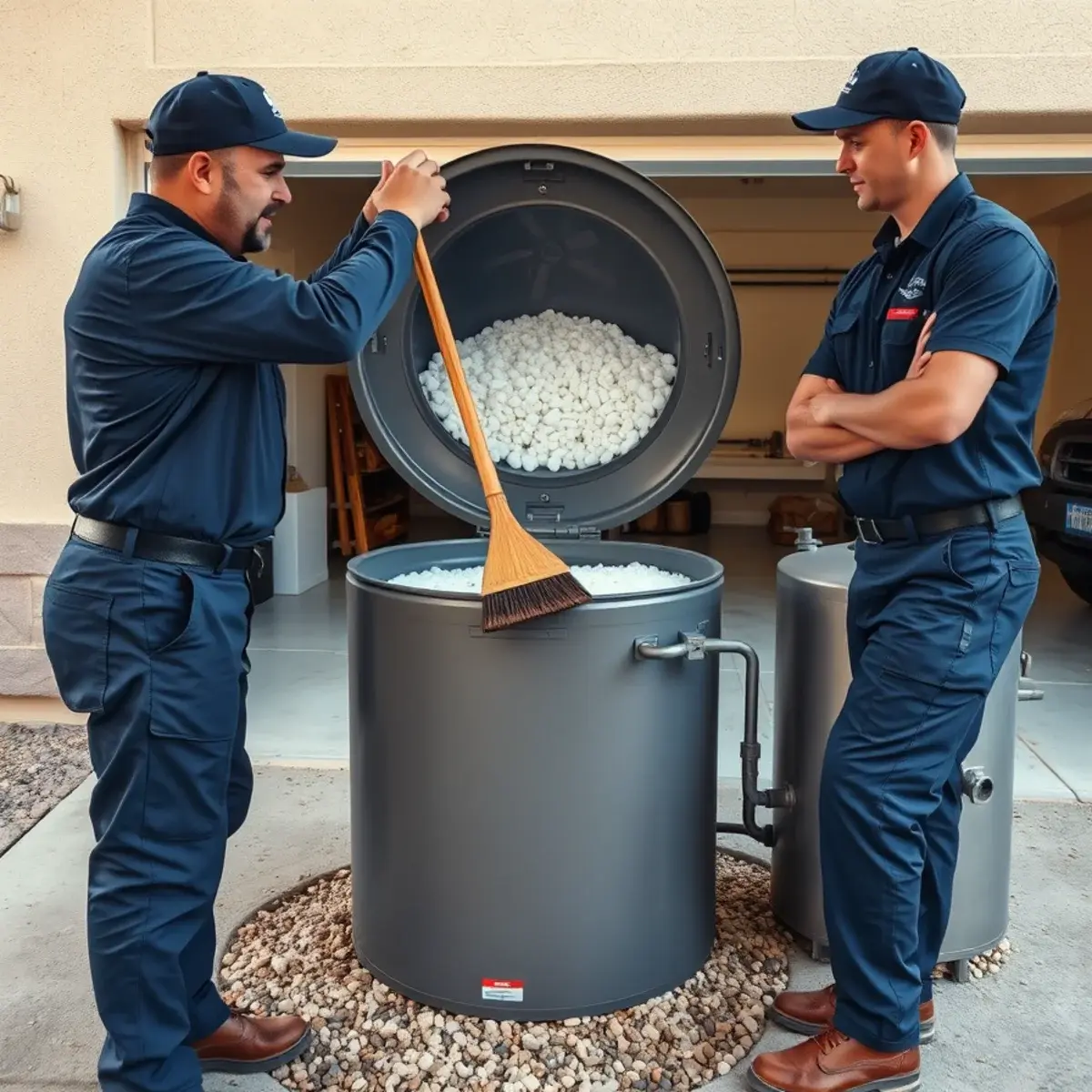
A garage tank that fails on a storm night is the worst timing — you are competing with a full emergency queue. Flush it, and if it is past year eight have it inspected so the replacement decision happens on your schedule. See the annual flush checklist.
While you are there: confirm the drain pan underneath is actually piped to a drain. A pan with no outlet does nothing.
6. Verify every shutoff turns
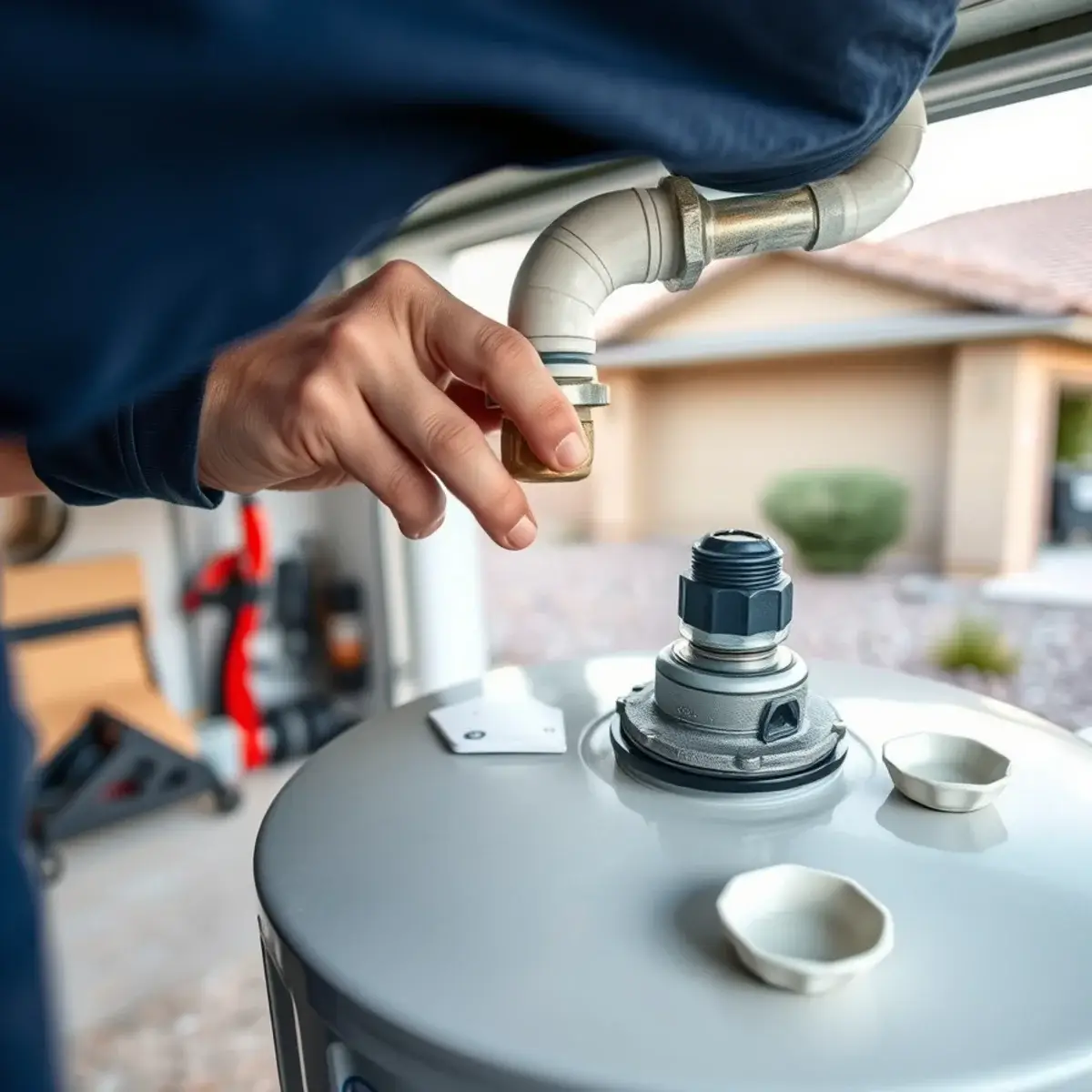
Main water shutoff, water heater cold inlet, irrigation valve, and the gas shutoff at the meter. Hard water seizes valves that never move, and finding that out during an emergency is the wrong time.
Show every adult in the house where they are, and photograph the locations on your phone so they are findable in the dark. See how to find and shut off your main water valve.
7. Check drainage around the house
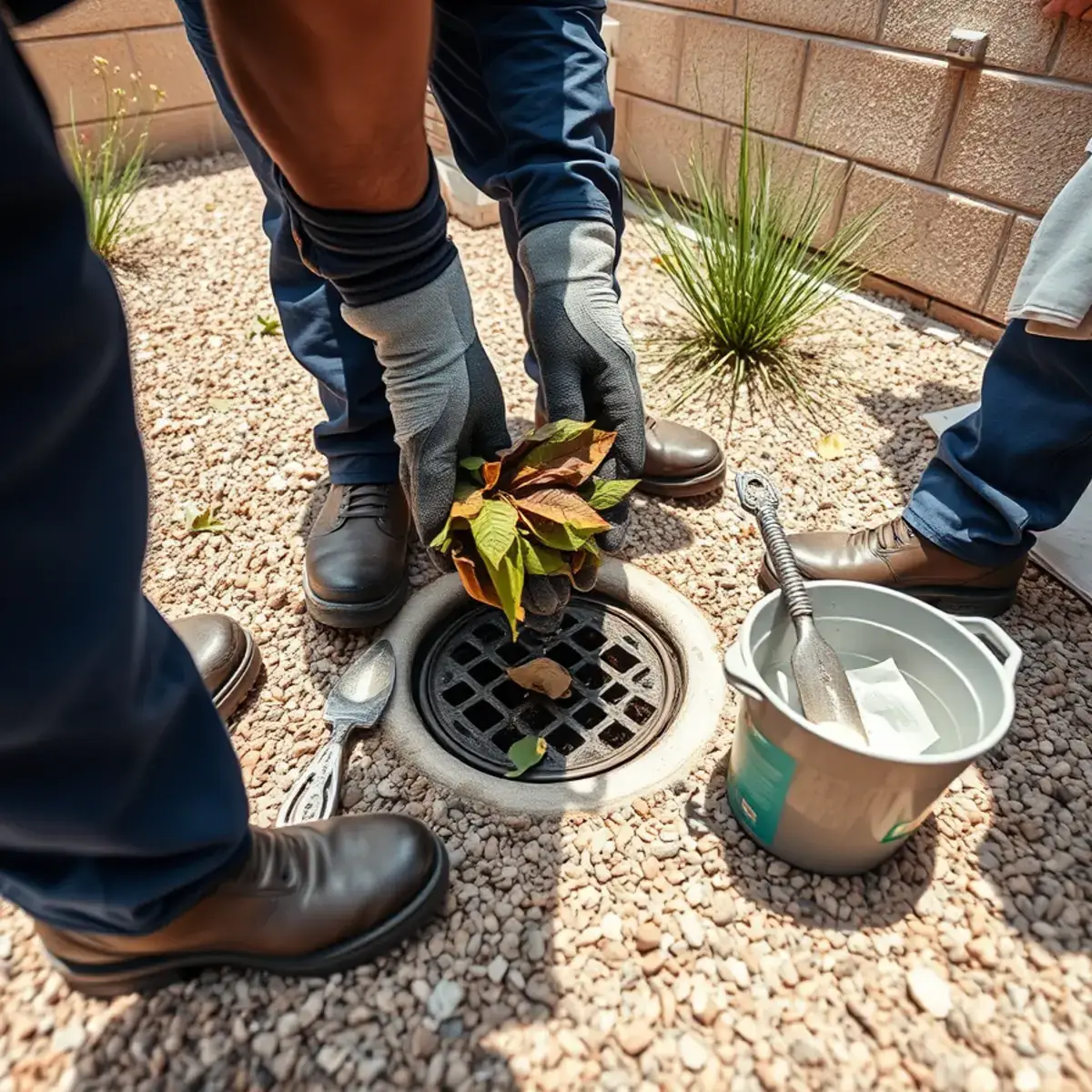
Not plumbing, but it accounts for roughly half of the flooded-garage calls we run during monsoon season. Look at whether the driveway slopes toward the garage, whether landscaping rock has built up above the garage threshold, and whether area drains and roof drains are clear of dust and debris.
Storm water entering under a garage door has a completely different insurance answer than a plumbing failure — see flooded garage monsoon steps.
8. Run a whole-home leak audit
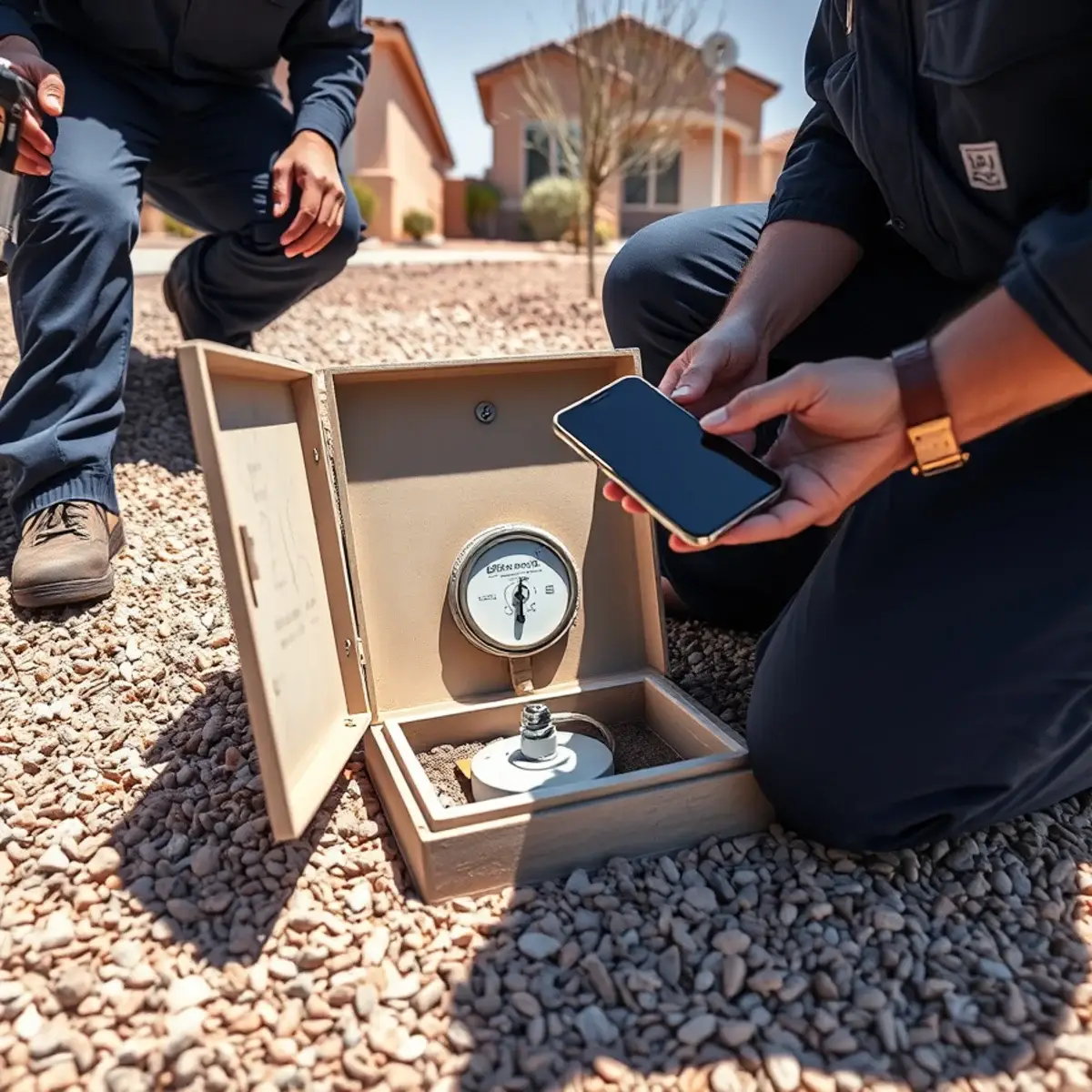
Shut everything off and check the meter's low-flow indicator. Dye-test every toilet. Check under every sink. It takes thirty minutes and it catches the silent losses that are already on your bill — see the DIY whole-home leak audit.
9. Clean and inspect exterior plumbing
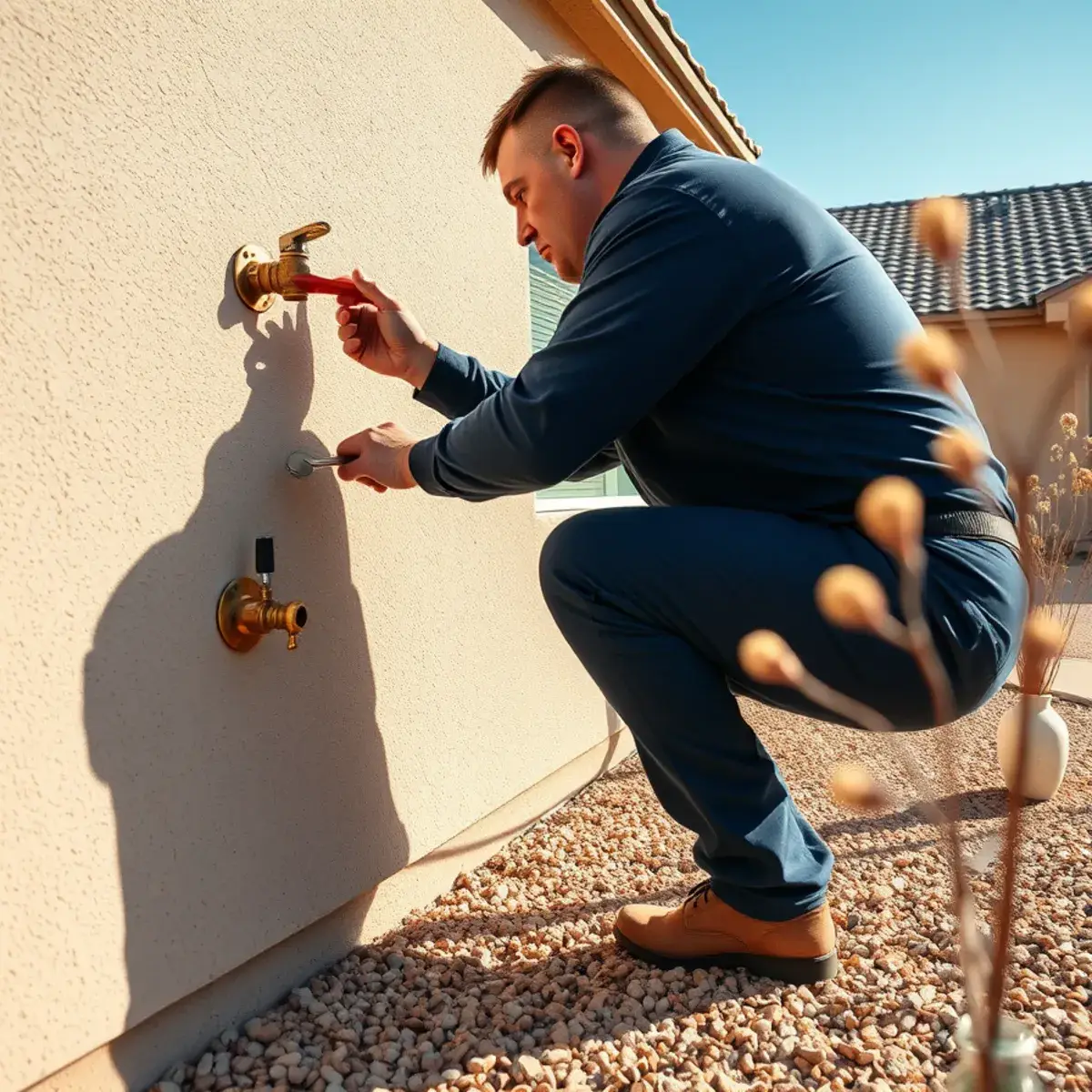
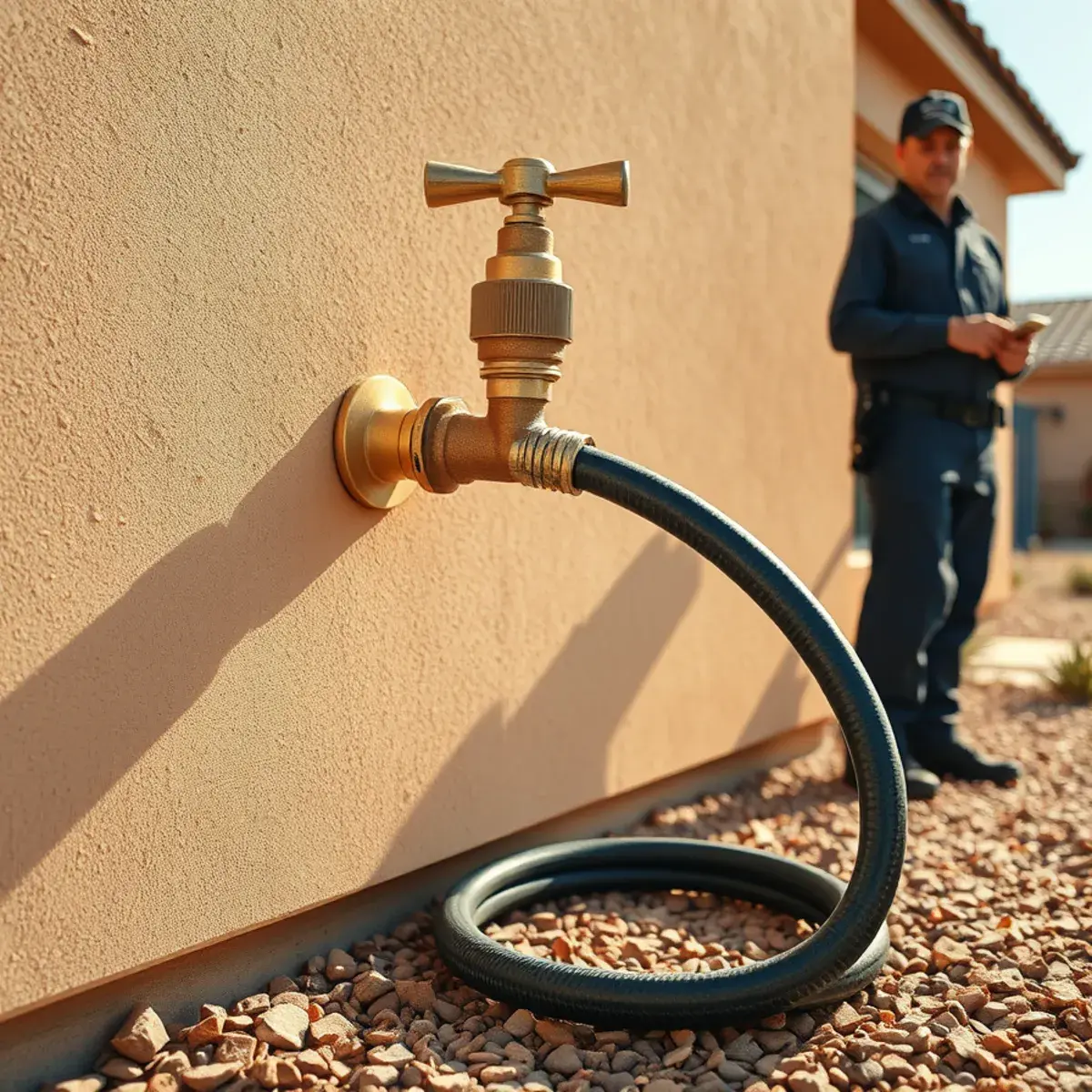
- Hose bibs — check for weeping at the stem, and disconnect hoses so they are not left pressurized all summer
- The backflow assembly on your irrigation system, particularly on larger lots like Pecan Creek and Bella Vista Farms
- Irrigation valve boxes, cleared of silt so components are accessible
- Any exposed pipe or equipment that sits in direct sun
10. Save the emergency number
During monsoon season we staff specifically for storm nights, because backups do not arrive one at a time. If a cell has just moved through and your drains are misbehaving, call early — the queue builds fast. Our 24/7 emergency line is answered by a real person at (614) 830-0578.
Why May and not July
Three practical reasons, and none of them are about the plumbing. You beat the heat for the outdoor items. You leave yourself weeks to schedule anything a camera inspection turns up, at standard rates rather than emergency ones. And you are not competing with the August queue for an appointment — everyone else calls in July.
The insurance item is the one people skip and regret. Standard Arizona homeowners policies frequently exclude sewer backup unless you carry a specific water backup endorsement. It is inexpensive and it takes one phone call, and the time to discover you do not have it is not while a remediation crew is pulling up your carpet.
An honest note on the cleanout: we keep finding them buried under landscaping rock or hidden behind a shrub. During a backup an accessible cleanout lets waste discharge outside rather than into your house, and it gives us the fastest possible access. Uncover it and put a marker flag next to it.
The bottom line
Everything here is cheaper and more effective done in spring than discovered at 10 PM in a storm. The single highest-value item is the camera inspection — a lateral already half restricted has no margin when the collection system surcharges. If yours turns up roots, a belly or an offset, you have weeks to fix it properly. Our emergency sewer backup service staffs specifically for storm nights when it does happen.
Frequently asked questions
June 15 through September 30 is the recognized window, though the most active storms typically arrive in July and August. May is the right month for preparation — it gives you time to address anything an inspection finds before the first serious cell.
A camera inspection of your main sewer line. A lateral that is already restricted by roots, grease or a belly has no margin when the system surcharges during a storm, and finding that in May means fixing it on a schedule rather than during a backup at emergency rates.
If your home has backed up during more than one storm, yes — it is the permanent fix, because cleaning the line again does not change what happens when the main surcharges. If you have never had a backup, a camera inspection tells you whether you are at risk.