Why Your 2005 San Tan Valley Home Needs a Plumber's Eye Now
Thousands of San Tan Valley homes were built in the same few years, with the same materials, drinking the same water. They are all arriving at the same milestones together.
The short answer
Because thousands of San Tan Valley homes went up in the same few years with the same materials and the same water, they arrive at the same failure milestones together. A mid-2000s home is now in the 12-to-20 year band — original water heaters gone, angle stops seizing, PRVs drifting, and the first slab-leak risk window open.
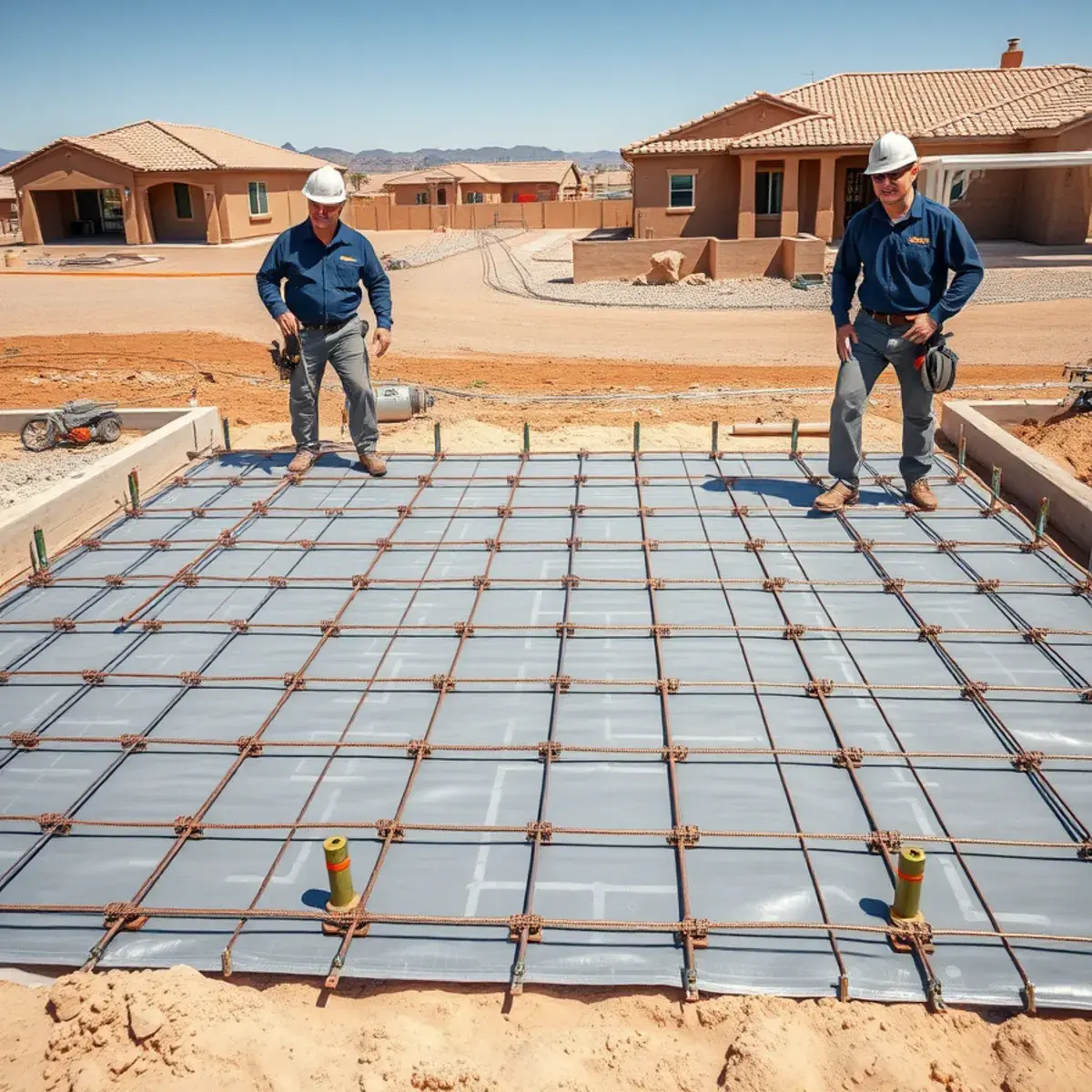
San Tan Valley's growth happened in a compressed window. Thousands of homes went up in the same few years, built by a handful of builders, with the same materials, the same fixtures and the same specifications — and every one of them has been drinking 15 to 18 grain water ever since.
The consequence is that these homes do not fail randomly. They arrive at the same milestones at roughly the same time, and if yours was built in the mid-2000s, it is arriving at several of them right now.
The timeline we see repeatedly
| Home age | What shows up |
|---|---|
| 0–5 years | Builder warranty punch-list items, first softener install, undersized water heater becoming apparent as the family grows |
| 5–10 years | Toilet flappers and fill valves mineralize, shower cartridges stiffen, disposals fail, first flush overdue |
| 8–12 years | Original water heater reaches end of life, angle stops seize, braided supply lines harden, aerators clog |
| 12–20 years | First slab leak risk window on copper, sewer laterals develop root intrusion, PRVs fail and pressure creeps |
| 20+ years | Repipe conversations begin on systems with repeat pinholes; sewer bellies from settled backfill become obvious |
A 2005 home is in the 12-to-20 band and moving into the last one. That does not mean anything is wrong today. It means the odds have shifted, and the value of looking has gone up substantially.
What to check at the twenty-year mark
1. Static pressure and the PRV
Buy a threaded gauge for about fifteen dollars, screw it onto an outside hose bib and open it fully. Above roughly 80 psi is too high, and high pressure quietly shortens the life of every fixture, valve, appliance and joint in the house.
Pressure-reducing valves wear out, and they fail two ways: open, letting pressure climb until things start breaking, or closed, choking the house. If you have had a run of unrelated small failures, check this before anything else — it is often the actual cause. See San Tan Ridge, where the elevation makes this especially common.
2. The water heater's real condition
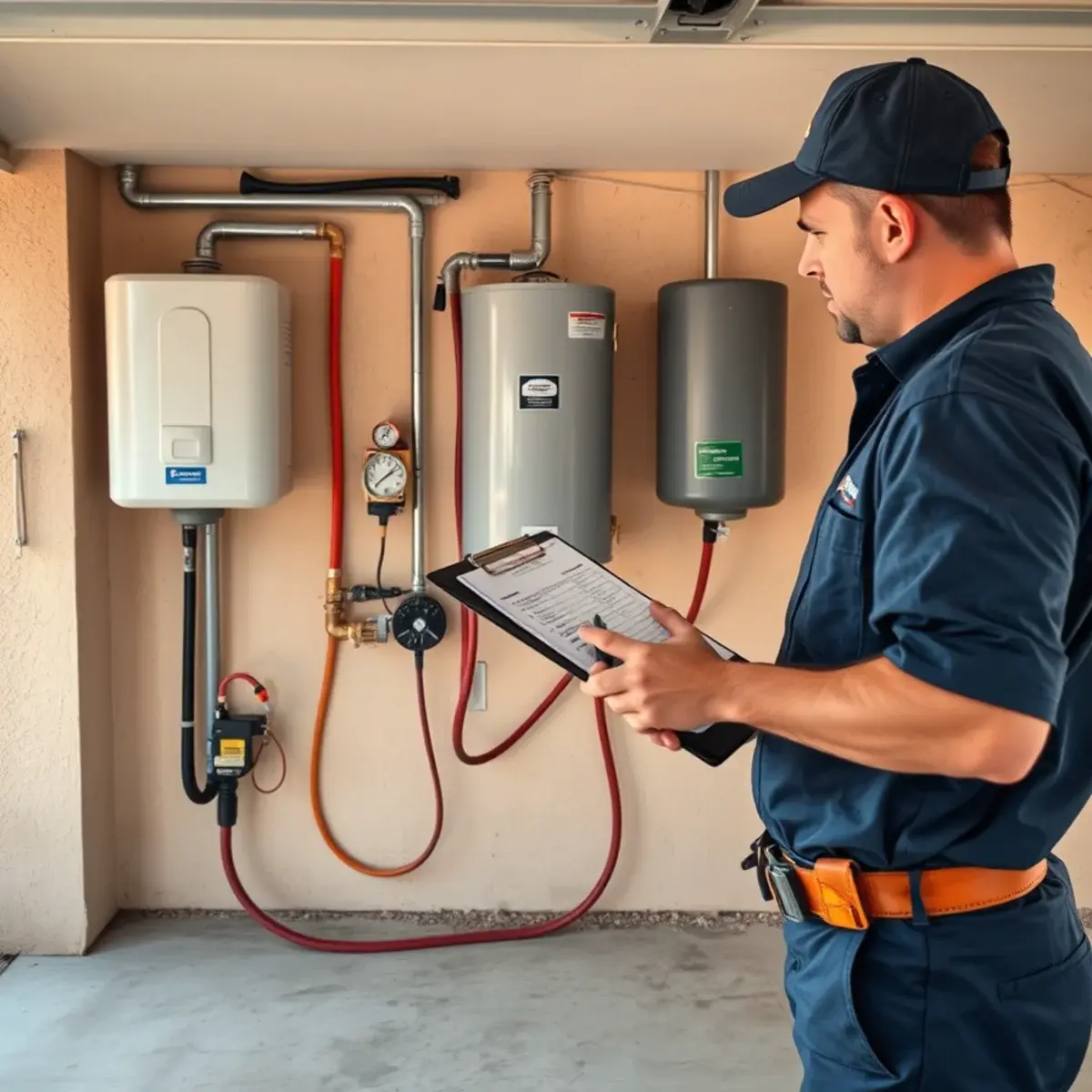
Age off the serial number, sediment level, anode rod condition where accessible, the T&P discharge line, and whether the expansion tank exists and holds a charge. A tank that has never been flushed at year twelve is on borrowed time regardless of how well it seems to be working.
3. Every angle stop and supply line
These are the ten-dollar parts that cause four-figure floods. Hard water seizes angle stops that never move, and braided supply lines harden with age and heat until the rubber core splits at full pressure.
Replacing every one of them in a single visit is inexpensive and it is one of the highest-value plumbing jobs in a twenty-year-old home — see toilet and fixture repair.
4. Dye-test every toilet
Food coloring in the tank, no flushing for twenty minutes, look for color in the bowl. Mineralized flappers leak silently and they are the most common cause of an unexplained bill increase in this water. Free to test, cheap to fix.
5. A meter isolation test
Shut every fixture in the house and watch the meter's low-flow indicator. If it moves, water is going somewhere. Then shut irrigation and re-check to separate landscape from house. This is the single best early warning for a slab leak — see slab leak warning signs.
6. Camera the sewer lateral
At twenty years, landscaping has matured and trench backfill has settled. Roots find joints, bellies form. A camera inspection tells you which one you have before it announces itself during a monsoon storm — see sewer line repair.
The one upgrade that changes the trajectory
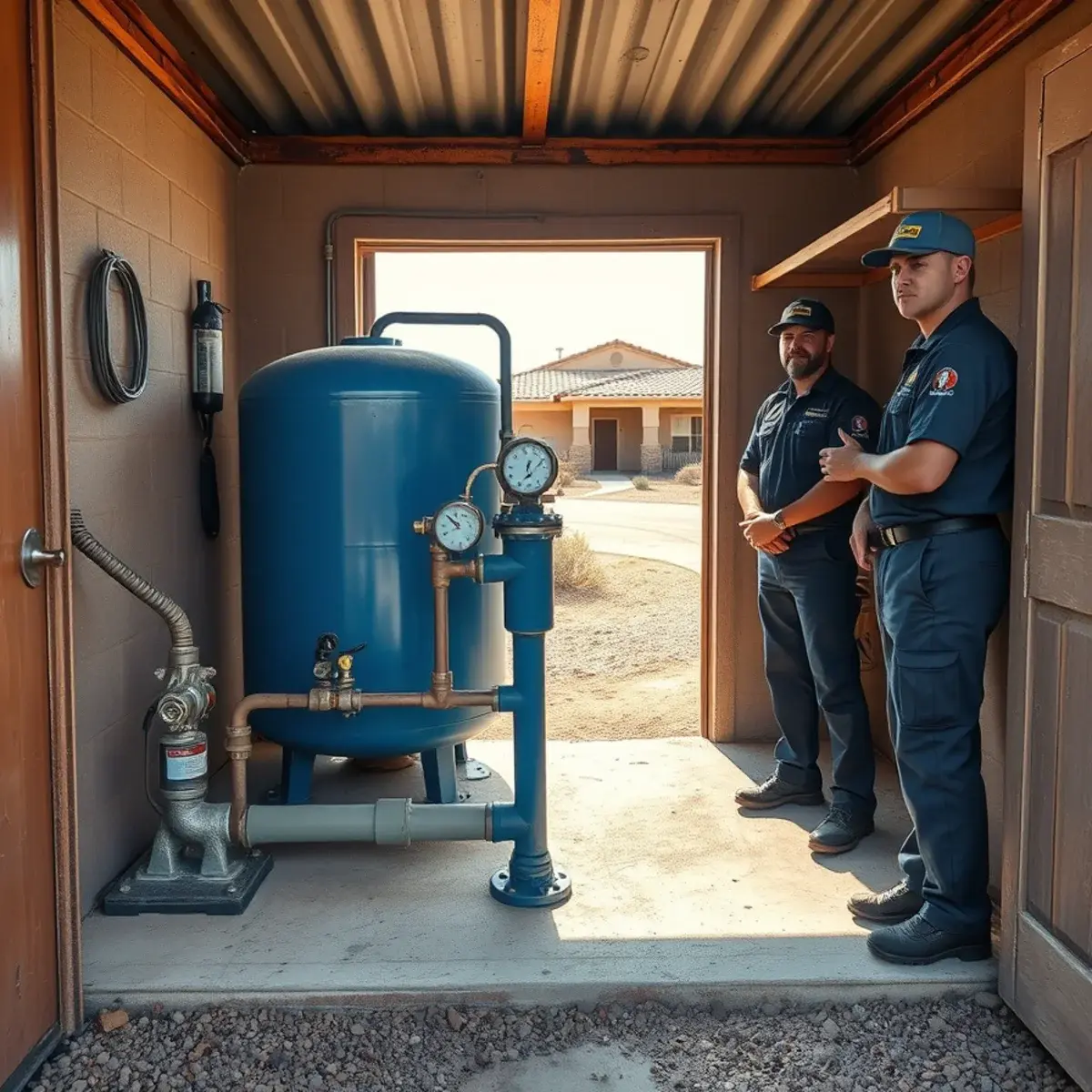
If your home does not have a water softener, that is the intervention with the largest effect on everything above. Nearly every home built here after 2000 has the loop already sitting in the garage.
Softening does not undo twenty years of accumulation, but it stops the next twenty from happening — protecting a new water heater, whatever pipe you have left, and every fixture in the house. It is why homes with softeners in this town call us at a fraction of the rate of homes without one.
What this costs you if you do nothing
Not a scare tactic — an itemised list of what we actually find on twenty-year-old homes here, and what each one turns into when it is left alone.
| What we find | Cost to address now | What it becomes |
|---|---|---|
| Static pressure above 80 psi with a failed PRV | One valve, one visit | Fill valves, supply lines and a weeping relief valve failing in sequence for years |
| Water heater never flushed at year twelve | An annual flush | Replacement four or five years earlier than necessary |
| Seized angle stops and hardened supply lines | Ten-dollar parts, one visit for the whole house | The most common cause of sudden indoor flooding in older homes |
| Two toilets leaking silently past mineralised flappers | Under a hundred dollars | Hundreds of gallons a day, quietly, on every bill |
| Root intrusion at one lateral joint | A spot repair or liner | An annual cabling bill and a backup during monsoon season |
| First pinhole in under-slab copper | An overhead reroute | A second and third pinhole, then a repipe you paid for three times |
Our annual home plumbing inspection covers everything above in about ninety minutes and produces a written report with photos — including an honest note about which items can wait and which should not.
The check that costs fifteen dollars and explains everything
Static pressure. Buy a threaded gauge, put it on an outside hose bib with everything inside off, and read it. Above roughly 80 psi is too high, and high pressure is the quiet cause behind a pattern that looks like unrelated bad luck — fill valves, supply lines, a weeping relief valve, fixtures failing in sequence.
Pressure-reducing valves wear out and they fail in both directions. Failed open lets pressure climb until things break; failed closed chokes the whole house and gets misdiagnosed as needing a repipe. Either way it is an inexpensive part, and we check it on every visit for exactly that reason.
The second-highest-value item nobody does: replace every angle stop and braided supply line in one visit. They are ten-dollar parts, they seize and harden on a predictable schedule in this water, and they are the most common single cause of sudden indoor flooding in twenty-year-old homes.
The bottom line
None of these milestones are inevitable at those intervals — a softened, maintained home runs years past every one of them. That is the whole argument for an annual look. Book it in May: you catch water heater problems before the summer load, verify drainage before monsoon season, and avoid competing with the August emergency queue. See residential plumbing.
Frequently asked questions
At the fifteen to twenty year mark in this water, yes. Most of what we find is inexpensive to fix and expensive to ignore — pressure creeping above safe levels, a water heater that has never been flushed, seized angle stops, hardened supply lines and silent toilet leaks already on your bill.
Install a water softener if you do not have one, and replace every angle stop and supply line. The softener changes the trajectory of everything downstream of it; the stops and lines remove the most common cause of sudden indoor flooding. Neither is expensive relative to what they prevent.
Aware rather than worried. Copper under post-tension slabs in boom-era homes is entering the window where pinholes appear, usually on the hot side first. Knowing the signals — warm floor spots, an unexplained bill increase, running water you can hear at night — means catching it early rather than after months of loss.