
Service Problem-Solving7 min read
Why Your Drains Keep Clogging: Hard Water Scale Explained
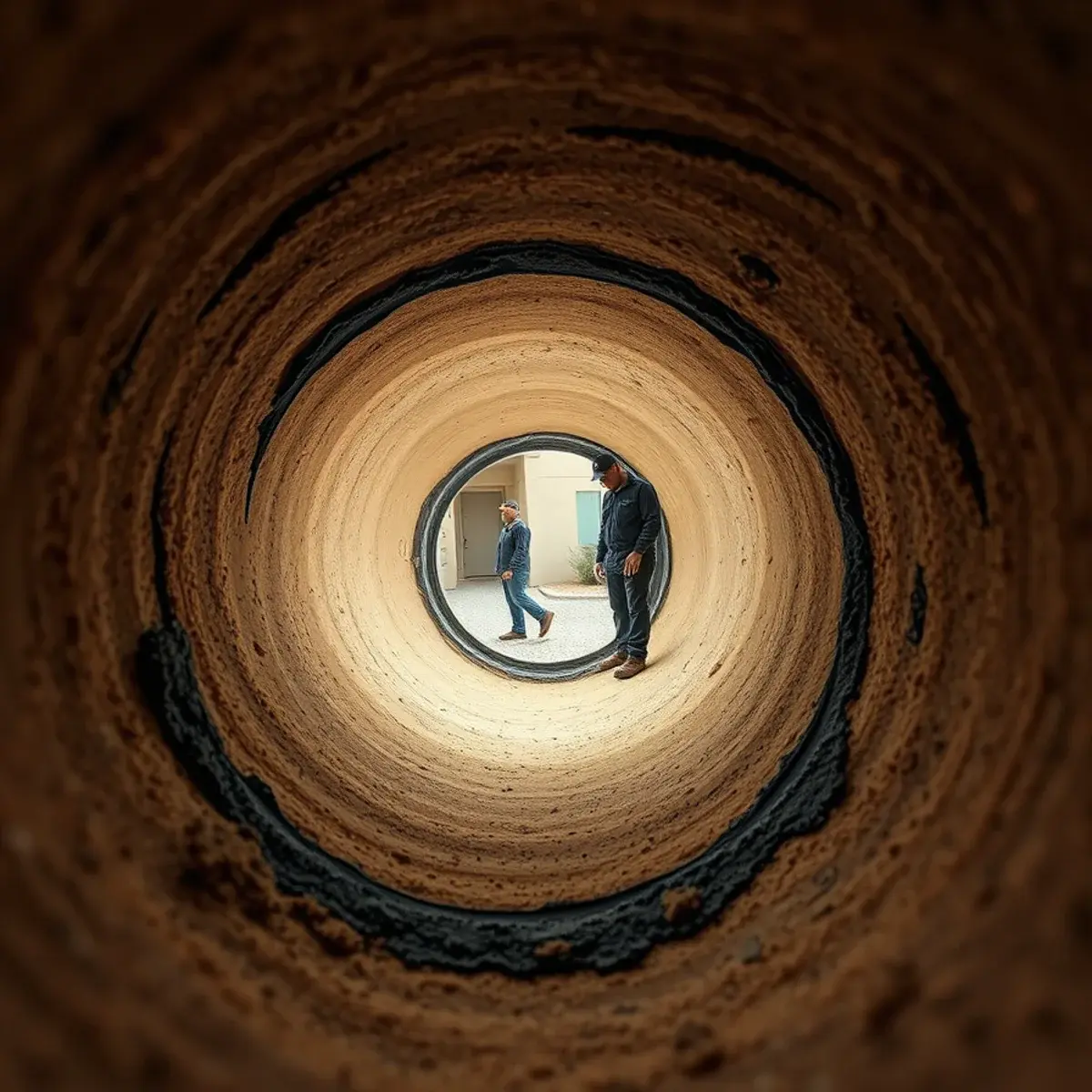
The house that never had drain problems in 2012 clogs twice a year now. The pipe did not change size on paper — it changed size in practice.
Read the guide24/7 emergency dispatch — a real person answers, day or night.
2769 E Combs Rd, San Tan Valley, AZ 85140
Plumbing service
4.9★
168 customer reviews
60–90 min
Typical San Tan Valley response
Licensed & insured
Bonded Arizona contractor
15–18 gpg
Hard-water specialists
Hydro Jetting & Drain Descaling in San Tan Valley
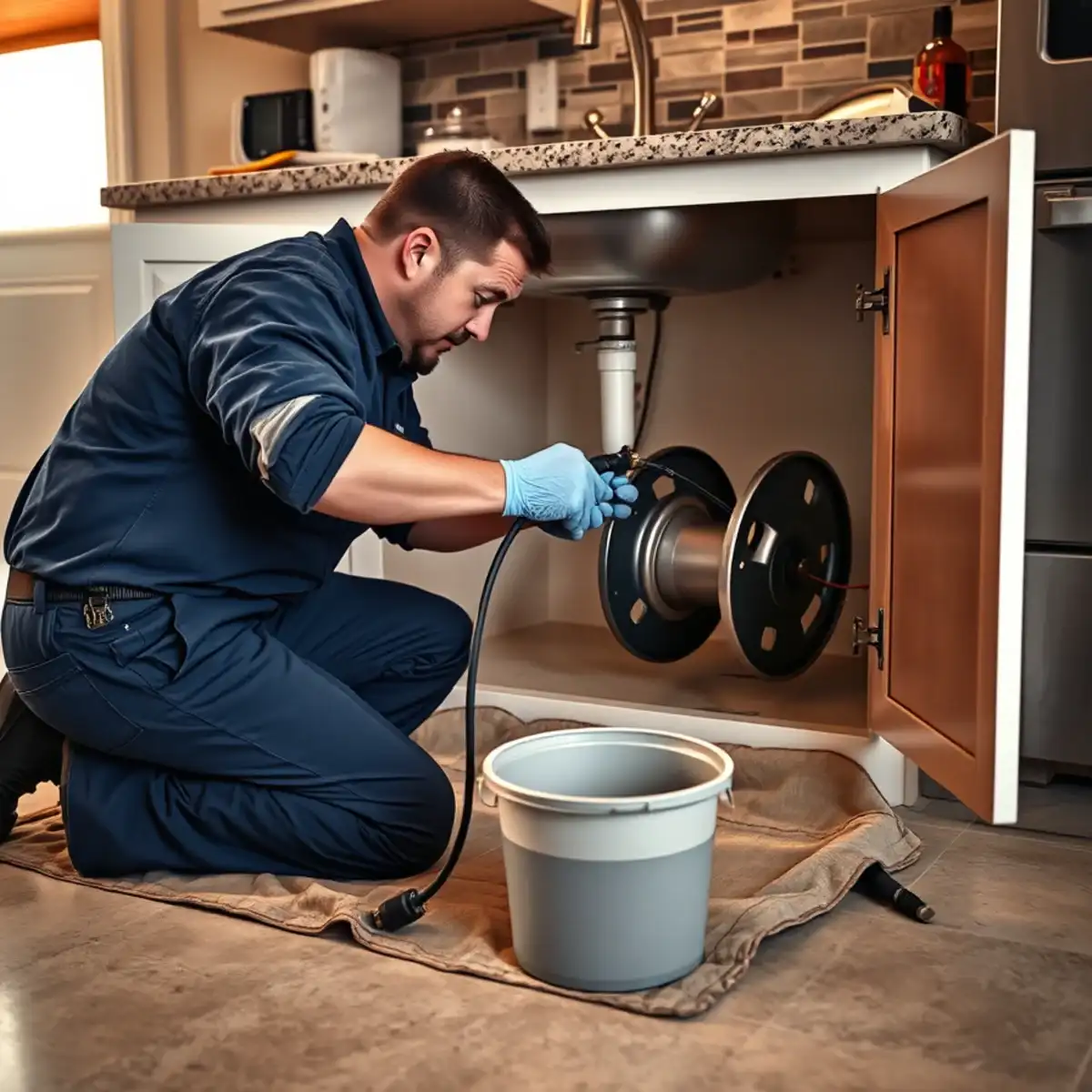
Hydro jetting is the alternative: 3,000–4,000 psi of water through a rotating nozzle that scours the pipe back to its original bore. In San Tan Valley the thing being scoured is usually **mineral scale**, because 15–18 grain water leaves a hard rind on the inside of every drain line it touches. That is why jetting matters more here than it does in a soft-water town.
Signs you need us
Twice a year, then three times, then every few months. The interval shortening is the tell — the pipe is getting narrower each time, and cabling is not changing that.
A cable clears a channel through the obstruction. If the relief lasts weeks rather than years, what you have is a diameter problem, not a blockage.
One slow sink is a branch line. A slow sink, a gurgling tub and a washer that backs up is the main, and the main is where jetting earns its money.
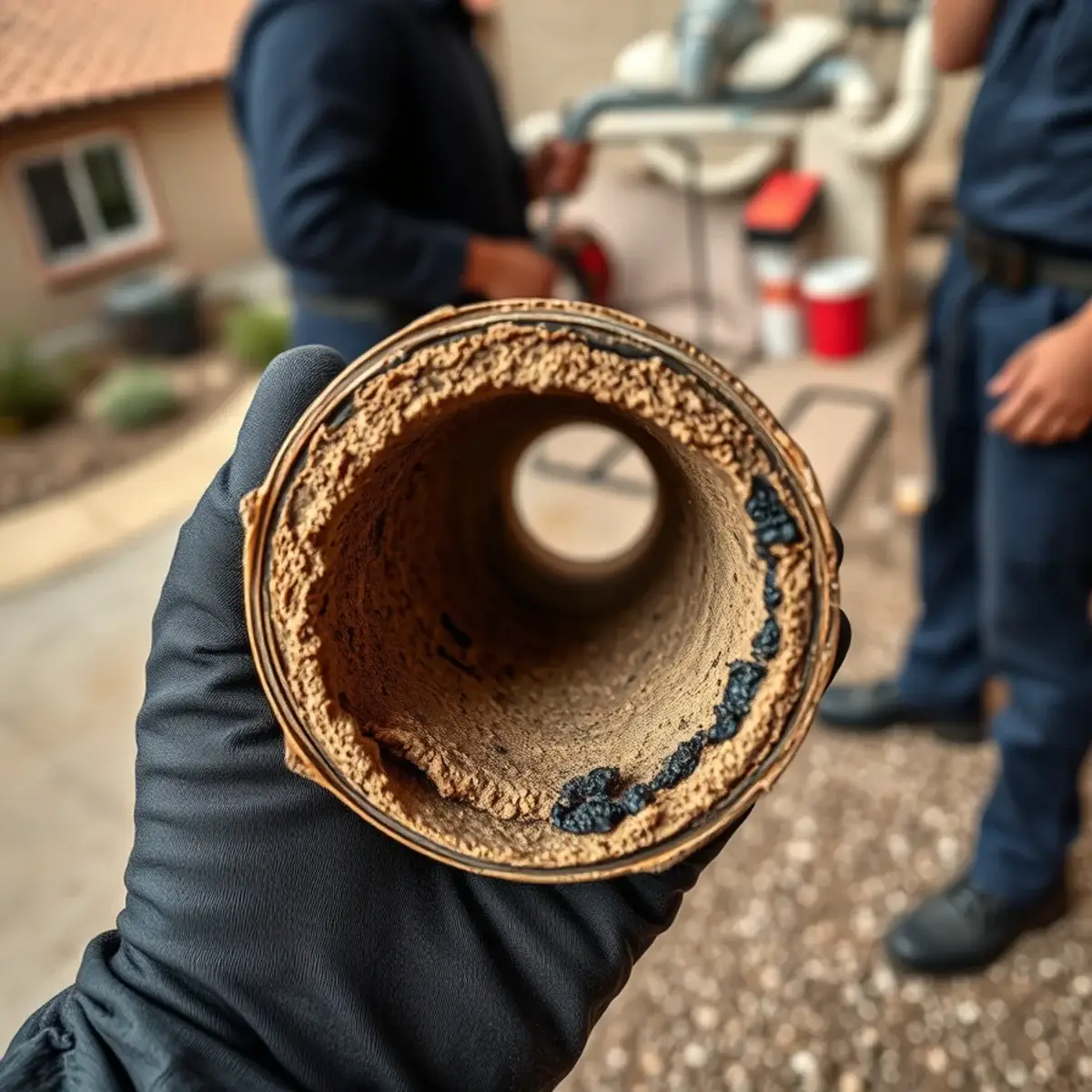
Pull a P-trap and look at the inside. A pale, hard, crusty layer narrowing the opening is the same deposit coating everything downstream.
The footage that justifies jetting looks like a pipe with its walls closing in rather than a single obstruction. That is a descaling job.
What you get
At 15–18 grains per gallon, every gallon that goes down your drains leaves a little calcium and magnesium behind. Over a decade that becomes a hard, pale layer bonded to the pipe wall. It narrows the bore, and its rough surface catches grease and solids that would otherwise pass. The clog you call us about is usually the *symptom*; the scale is the cause.
This is also why a water softener belongs in the same conversation. Jetting fixes the pipe you have today. A softener is what stops the same deposit rebuilding over the next ten years. See why your drains keep clogging in hard water for the arithmetic.
| Cabling / snaking | Hydro jetting | |
|---|---|---|
| What it does | Bores a channel through the blockage | Scours the full inside wall back to bare pipe |
| Restores diameter | No | Yes |
| Handles mineral scale | Poorly — the cable skates over it | Yes, this is what it is for |
| Handles grease | Temporarily | Yes |
| Handles roots | Cuts the centre out | Cuts and flushes the debris away |
| Typical relief | Weeks to months on a scaled line | Years, where the pipe is sound |
| Safe on fragile pipe | Generally yes | No — needs a camera first |
| Cost | Lower per visit | Higher per visit, lower per year |
High-pressure water in a compromised pipe turns a repair into an excavation. If the camera shows a crack, a collapsed section, a belly holding standing water, or old clay with open joints, we stop and talk about sewer line repair instead. Any shop that jets without looking first is gambling with your lateral.
The arithmetic is the reason this page exists. A cable visit is cheaper on the day. On a scaled line it buys months, and the interval shortens each time because the channel it bores is slightly smaller than the one before. Three cable visits across eighteen months usually costs more than one jetting visit, and at the end of it you still have a narrowed pipe.
Where that calculation flips is pipe condition. If the camera shows a line with a real defect, jetting is money spent on something that will fail again regardless, and the honest recommendation is to put it toward the repair. We would rather tell you that on the first visit than on the third.
A fair question, and one people rarely ask. Jetting does not push the blockage further down the line to become someone else's problem — the nozzle fires backward as well as forward, so the water that cuts the deposit also carries it back toward the cleanout and out. That is the difference between flushing a line and clearing one, and it is why the second camera pass shows bare wall rather than a tidy channel through the middle of the deposit.
Not every slow drain is a main-line job. A single slow bathroom sink is almost always its own branch and its own trap, and jetting the main would be an expensive way to not fix it. We work out which one you have before quoting — usually by running water at several fixtures and watching what else reacts. If only one fixture is affected, drain cleaning at that branch is the right and cheaper answer.
Where it matters most is the kitchen branch. In San Tan Valley homes the kitchen line collects both grease and scale, and it is the branch we jet more than any other short of the main itself.
How we work
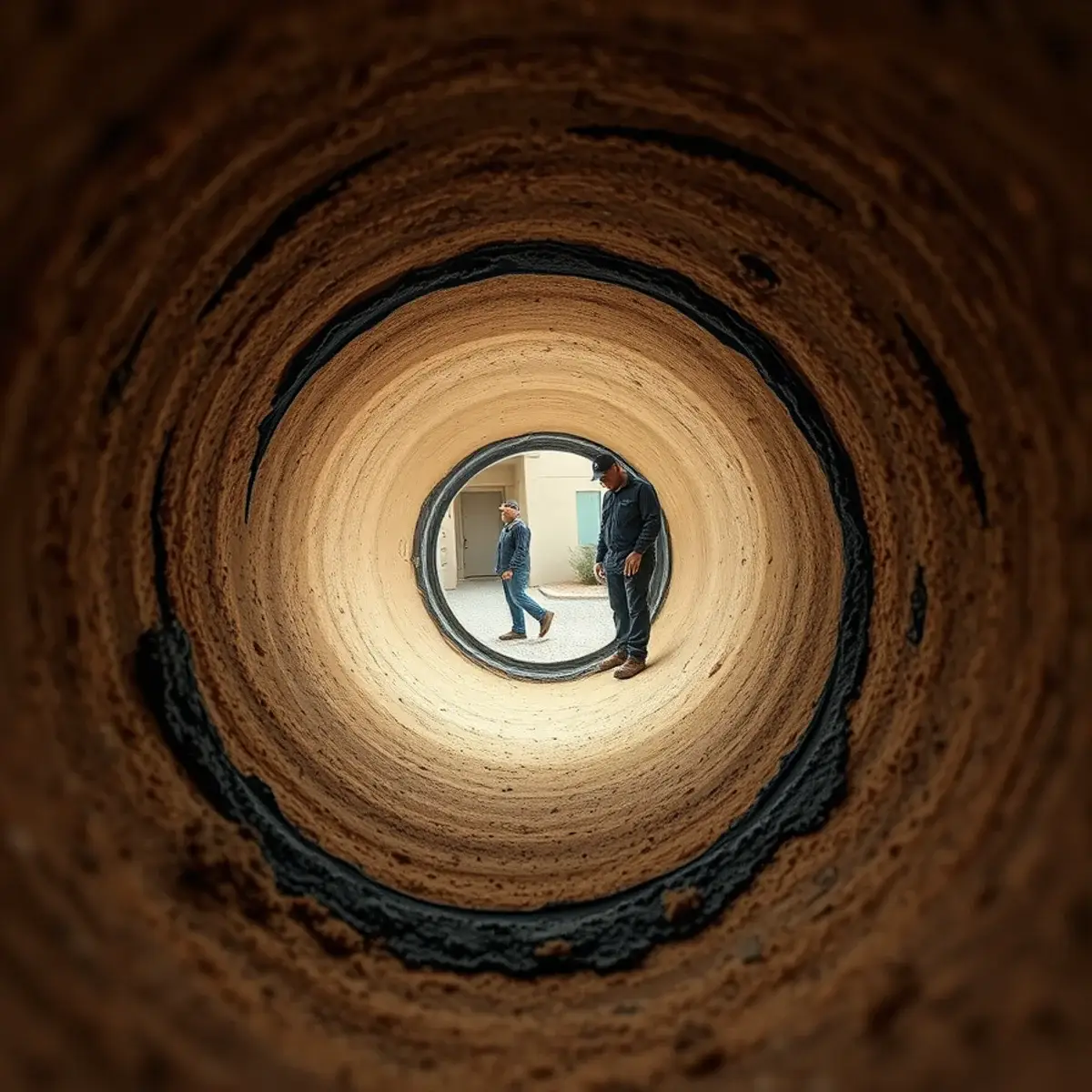
We run the line and record it before any water goes in. This establishes pipe material, condition, the type of deposit and the location of anything structural.
Scale or grease in a sound pipe means jetting. A structural defect means repair. Sometimes the honest answer is that cabling is enough and jetting would be overspending — you will hear that too.
Nozzle chosen for the deposit, pressure matched to the pipe. We work the whole length rather than stopping at the blockage, because the next restriction is already forming behind it.
A second recorded pass shows bare wall. If any section did not come clean, you see that too, and we tell you what it means.
Based on what the line looked like and whether the house has water treatment, we give you a realistic re-check interval instead of a maintenance contract you do not need.
What it costs
A ground-level cleanout near the street is a different job from a roof-vent entry or a cleanout that has to be dug up first.
Soft blockage clears quickly. Heavy mineral scale on an old cast-iron line is slow, careful work and costs accordingly.
Cast iron, clay, ABS and PVC each take different pressure. Older or marginal pipe needs a gentler approach and more time.
Ours is, both passes. Compare that against quotes where inspection is a separate line item.
A jetting job booked for Tuesday costs less than the same job at 11pm during monsoon season. If it can safely wait, we will tell you.
Why Economy Plumbers
Before, so we do not jet a pipe that cannot take it. After, so you can see what you paid for rather than take a technician's word for it.
In this town it is mineral scale far more often than grease. That changes nozzle choice and dwell time, and getting it wrong is why some jetting jobs do not hold.
A first-time clog in a sound line does not need jetting. Selling it anyway is how shops lose customers for the repipe conversation five years later.
You approve a number, not a clock. If the camera changes the recommendation, we re-quote before continuing.
Most San Tan Valley addresses see a truck within 60–90 minutes, with the jetter already on it.
Flat-rate pricing agreed before work starts, and we will tell you honestly if there is a cheaper answer.
Where this comes up most
The anchor golf-course community; its late-1990s phases are the oldest tract homes in town, so original water heaters and anodes are failing en masse.
Affluent agritainment hub around Schnepf Farms and the Queen Creek Olive Mill, with nonstop luxury new construction driving softener and tankless demand.
Family subdivisions wrapped around Circle Cross Ranch K-8, where busy households drive garbage-disposal jams, toilet clogs and high-usage water-heater wear.
We serve San Tan Valley and the surrounding Pinal County area — see every area we cover.
Questions we get
Not in a sound pipe at the right pressure — which is exactly why we camera first. In a cracked, collapsed or badly corroded line it absolutely can, and in that case we recommend sewer line repair rather than jetting. Any company willing to jet without looking first is taking a risk with your lateral, not theirs.
Drain cleaning covers the whole range, including cabling a one-off blockage. Jetting is the heavy end of it — the right tool when scale has narrowed the pipe and the clog keeps returning. Most first-time calls do not need it.
On a sound line in a home with a softener, years. Without water treatment in 15–18 grain water, expect the scale to start rebuilding immediately — which is why we usually raise water softener installation in the same visit.
It cuts them and flushes the debris out, yes. But roots get in through a defect — a cracked joint or an open clay seam — and that defect is still there afterwards. Jetting buys time; a spot repair or a liner is the permanent answer.
Yes. Grease lines in restaurants are the one case here where grease outweighs scale, and they benefit from a scheduled interval rather than emergency calls. See commercial plumbing.
Related
Slow sinks, gurgling tubs and backed-up mains cleared with cable machines, hydro jetting and camera diagnosis — not guesswork.
Learn moreCamera diagnosis first, then the right fix: spot repair, pipe lining or full replacement — with the footage to prove why.
Learn moreRecorded footage and a located depth, so nobody digs your yard on a guess.
Learn moreAt 15–18 grains per gallon, softening is not a luxury here. Correctly sized systems, installed at the loop, with RO for drinking water.
Learn moreThe house that never had drain problems in 2012 clogs twice a year now. The pipe did not change size on paper — it changed size in practice.
Read the guide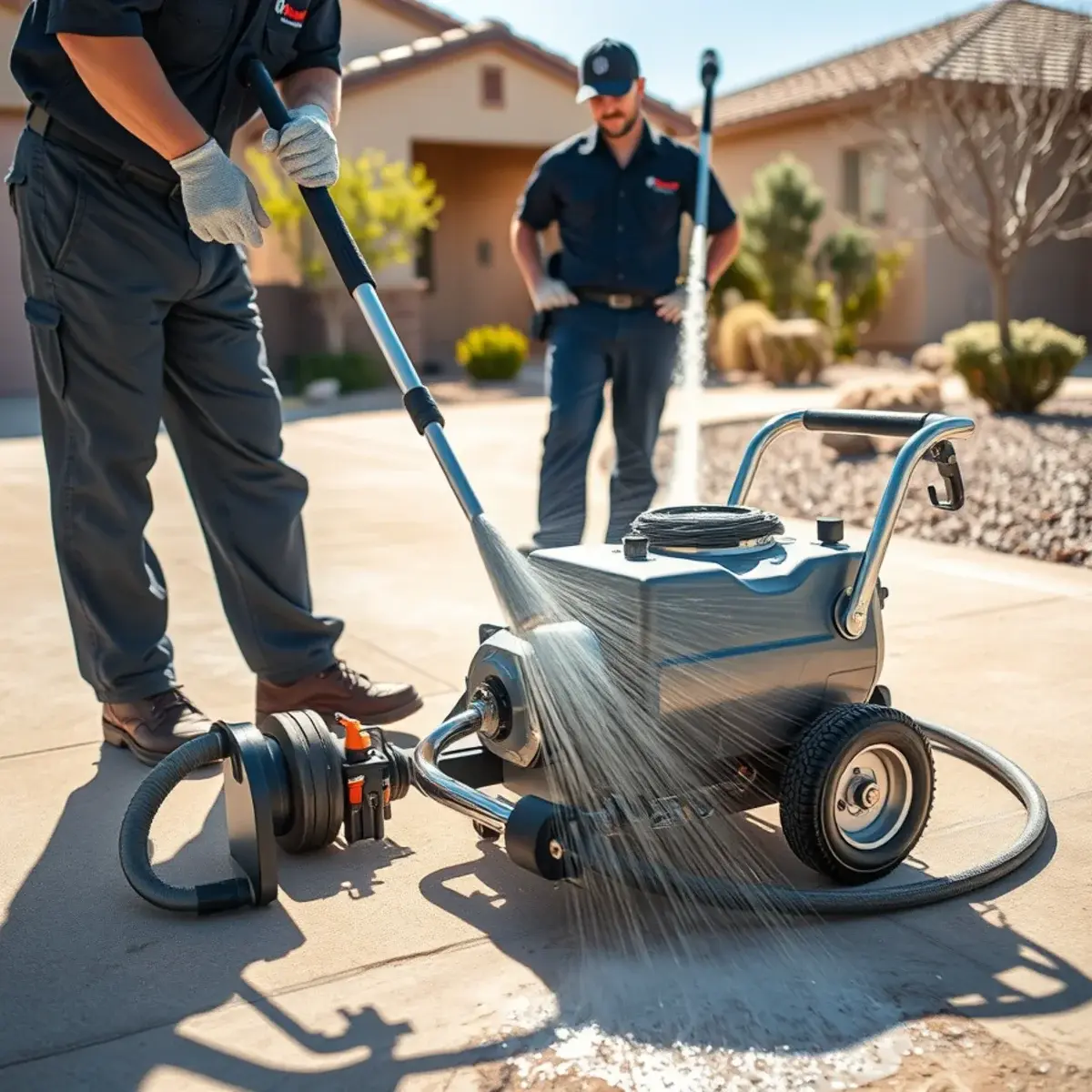
The price gap between snaking and jetting is real, and so is the difference in what you get. Here is when each is worth it, and the two upsells worth pushing back on.
Read the guide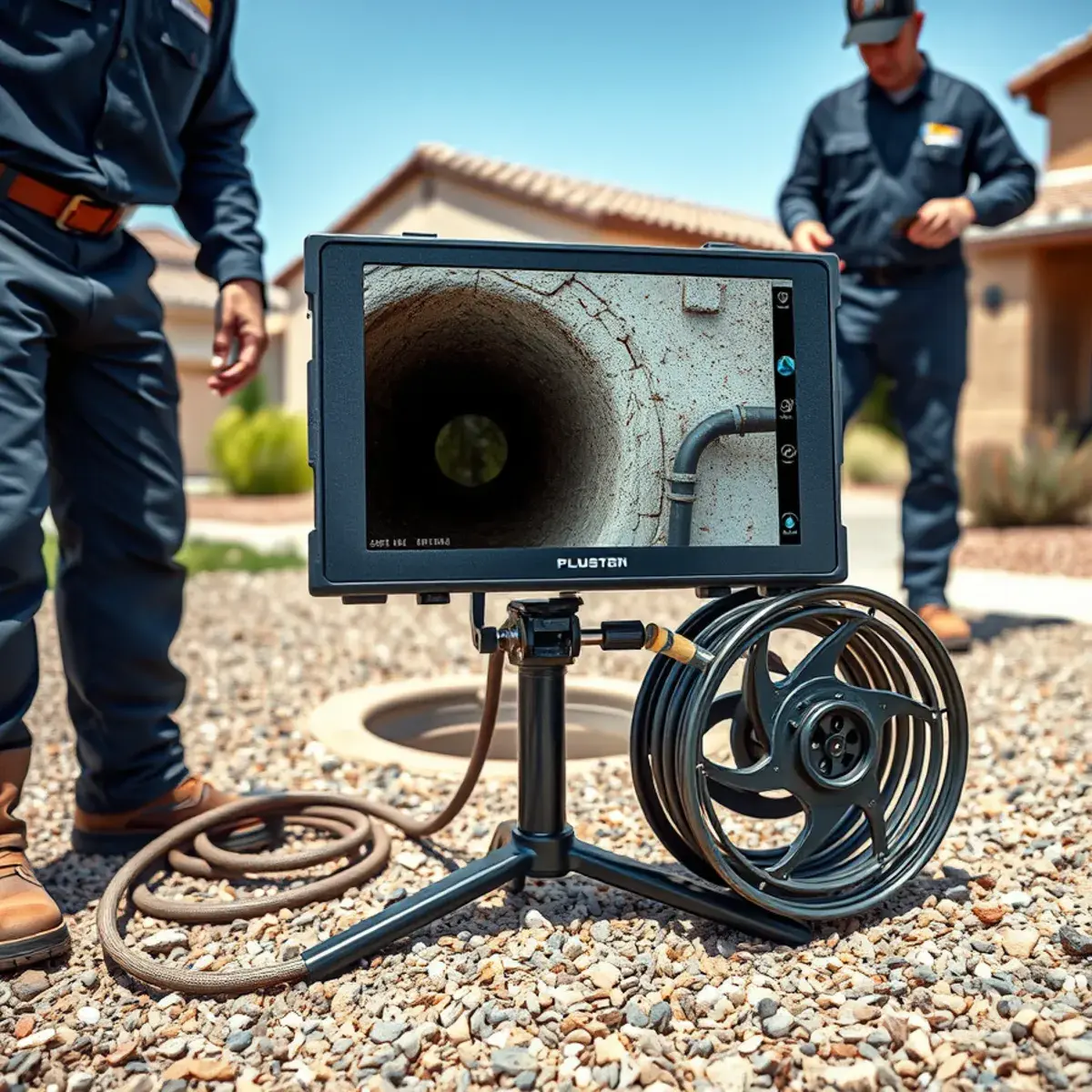
The difference between a $600 spot repair and a $9,000 replacement is almost entirely a diagnostic question. A camera is what answers it.
Read the guideFree estimate
Call and a real person picks up — day, night, weekend or holiday. Most in-town calls see a truck in 60–90 minutes.