Sewer Backup After a Monsoon Storm: The First 5 Steps
Sewage in the house is a health emergency, not a plumbing inconvenience. Stop all water use first — and understand why the blockage may not be on your property at all.

The short answer
Stop all water use in the house immediately — including the dishwasher and washing machine — then keep people and pets out of the affected room and call. Do not pour chemical drain openers into standing sewage. If your exterior cleanout is surfacing outside, leave it open: that is the system relieving pressure away from your home rather than into it.
Between June 15 and September 30, a heavy monsoon cell over San Tan Valley can drop an inch of rain on ground that cannot absorb it. Hunt Highway floods between Ellsworth and Thompson. Empire Boulevard closes. And a certain number of homes discover that their lowest drain has become an inlet rather than an outlet.
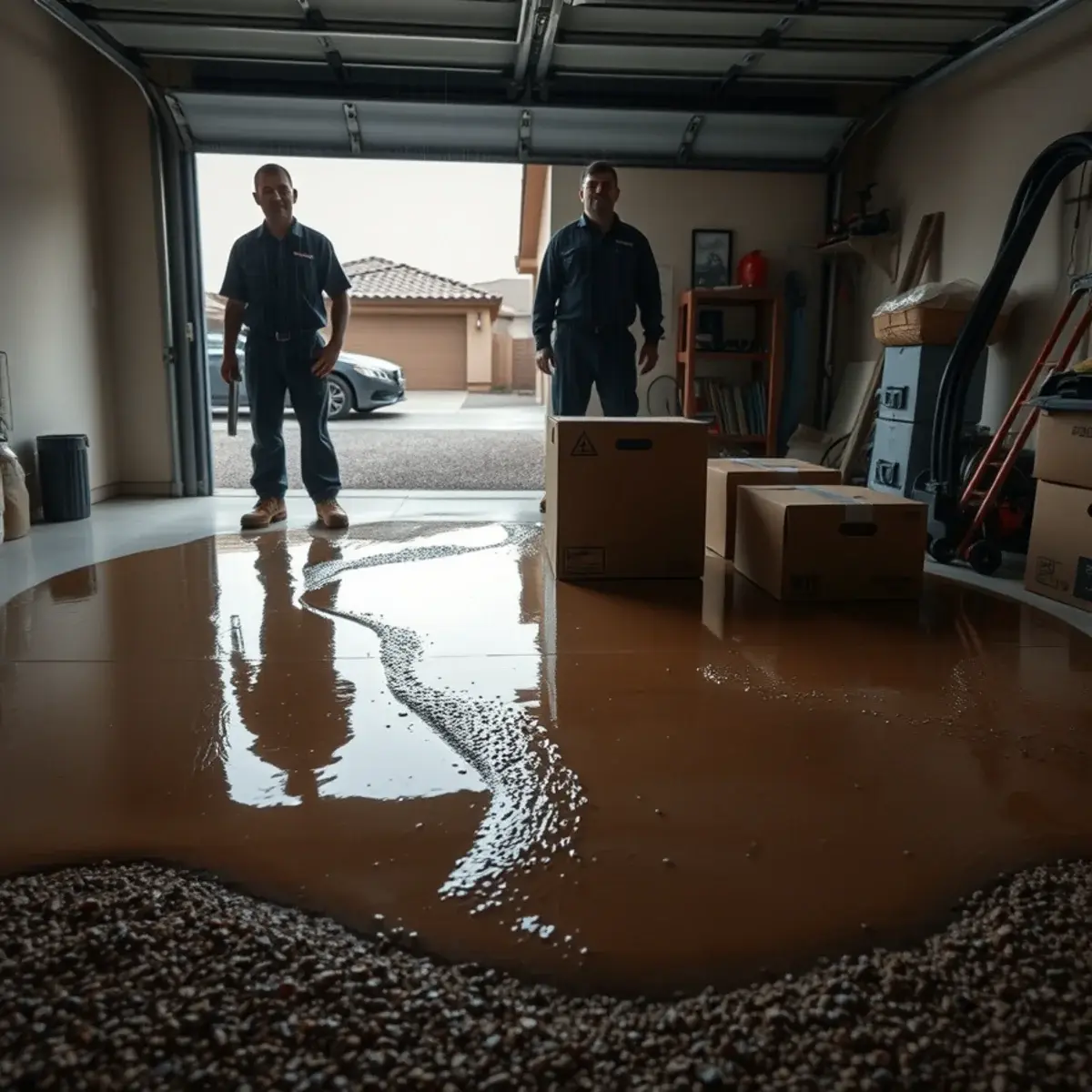
Sewage backing up into a house is Category 3 water — grossly contaminated. It is a health hazard, not just an unpleasant mess. Here is the order of operations.
1. Stop all water use in the house — everyone

This is the most important step and the one most households get wrong, because someone starts a load of laundry not realizing what is happening. A washing machine mid-cycle will dump forty gallons into a blocked system, and every gallon of it comes back up through the lowest opening in your home.
Sinks, toilets, showers, dishwasher, washing machine, ice maker. Everything off, everyone informed.
2. Keep people and pets out of the affected area

Close the door if you can. If you must enter, wear rubber boots and gloves and wash thoroughly afterward. Children and pets stay out entirely.
3. Do not pour anything down the drain

Chemical drain openers will not clear a main line blockage — they are not designed for it and they will not travel far enough to matter. What they will do is turn standing sewage into a chemical hazard for whoever has to work in it, including us.
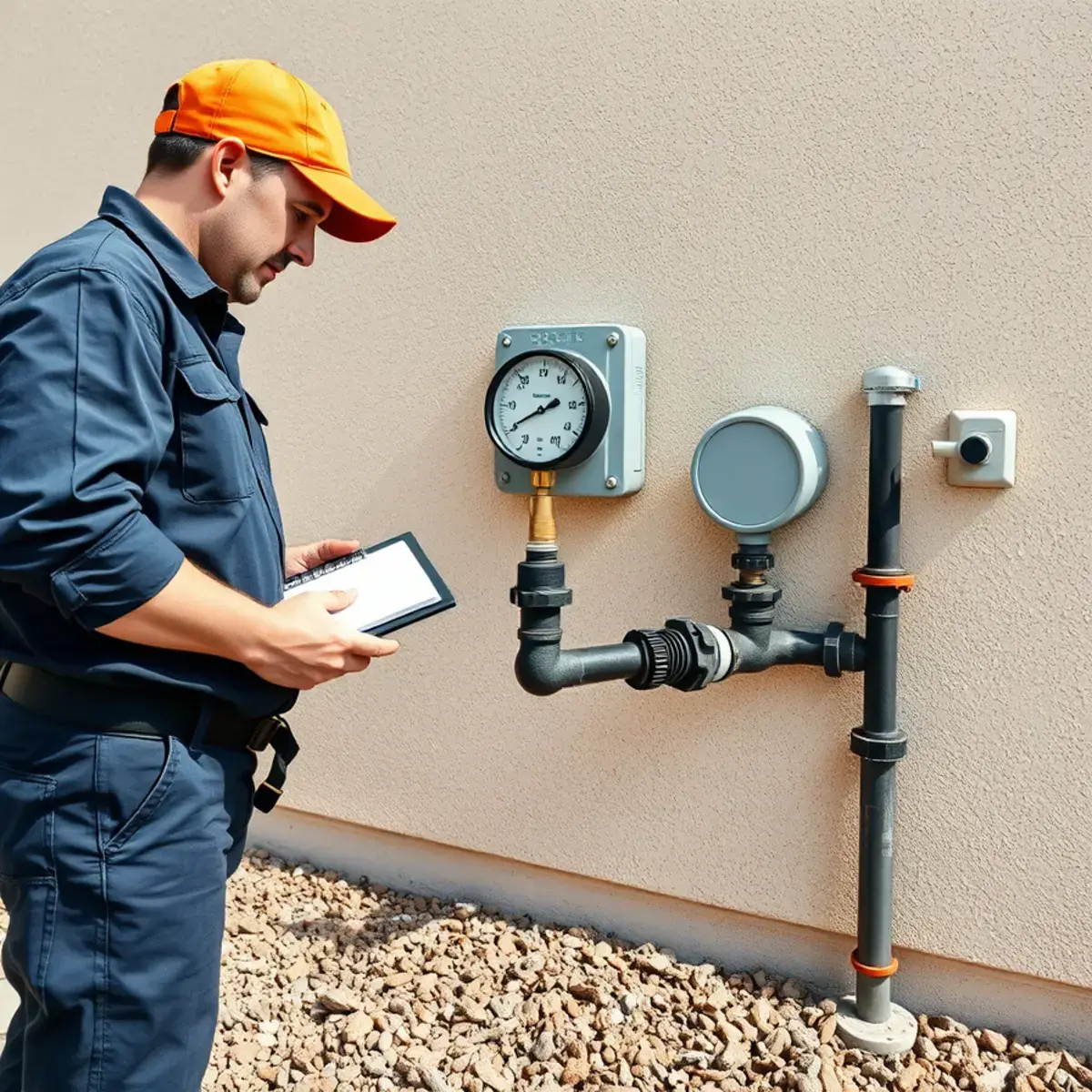
4. Check your exterior cleanout

Most San Tan Valley homes have a cleanout in the yard, usually near the front of the house or along the side, with a threaded cap. If sewage is surfacing there rather than inside, that is the system working exactly as intended — it is relieving pressure outside your home. Leave it open, keep people away from it, and tell us when you call.
It also tells us something diagnostically useful: the blockage is downstream of that cleanout.
5. Photograph before you clean anything

Wide shots showing the extent, close shots showing the water line on walls and baseboards, and photos of any affected contents. If you carry a water backup endorsement this is what your adjuster needs, and if you do not, you will still want the record.
Why storms cause backups at all
During a heavy cell, the collection system takes on far more volume than a normal day. Where storm water finds its way into sanitary infrastructure, the line surcharges — it fills to capacity and pressurizes.
When the main is surcharged, your lateral has nowhere to discharge. Waste backs up toward the lowest opening it can find, which in a single-story slab home is usually a guest shower pan or a garage floor drain.
That means the critical diagnostic question is: is your lateral blocked, or is it simply backed up from downstream? Those have very different answers and very different bills, and only a camera settles it. On every backup call we run the camera and show you the footage — see emergency sewer backup service.
If the main is surcharged, it is not your repair
If your lateral reads clear all the way to the connection and the problem is downstream, we will tell you that and help you report it to the utility. We are not going to sell a homeowner a sewer repair for a problem that is not on their property. That happens more than it should during monsoon season.
The permanent fix for repeat flooding
If your home has backed up during more than one storm, cleaning the line again will not change the outcome next August. A backwater valve — a one-way check valve installed on your sewer lateral — allows waste to flow out and physically blocks it from flowing back in when the main surcharges.
It is a permitted installation, it requires a pit and correct placement relative to your fixtures, and it needs periodic inspection so debris does not hold the flapper open. For homes in the low-lying pockets along the Hunt Highway corridor, it is the single highest-value plumbing investment we install.
Cleanup is a different trade
Sewage is Category 3 water, and porous materials that absorbed it — carpet, pad and the lower portion of drywall — generally need removal rather than drying. That work should start within hours. We stop the plumbing problem, document the cause and refer you to remediation companies we would use on our own homes.
Before the next storm
- Have your main line camera-inspected before monsoon season starts, ideally in May. A line that is already half restricted has no margin when the system surcharges.
- Clear roots proactively if you have a known intrusion — see sewer line repair.
- Know where your cleanout is and keep it accessible, not buried under landscaping rock.
- Add a water backup endorsement to your policy.
- If you have backed up before, get a quote on a backwater valve while it is not raining.
Our full seasonal walkthrough is in the pre-monsoon plumbing checklist.
The question that decides who pays
Every storm-night backup we attend gets the same diagnostic question: is your lateral blocked, or is it simply backed up from a surcharged main? Those look identical from inside your house and they have completely different answers. One is your repair. The other is not.
We settle it with a camera. If the lateral reads clear all the way to the connection and the main is full, we say so and help you report it rather than writing an invoice for a jetting you did not need. During monsoon season that outcome is more common than most homeowners expect.
An honest limitation of a backwater valve: it protects you from the main surcharging and it does nothing about roots or a belly on your own lateral. We have seen homeowners install one and still back up, because the real defect was thirty feet from the house. Camera first, then decide what to buy.
The bottom line
Storm backups are predictable enough that they should be planned for rather than survived. Camera your main line in May, keep your cleanout accessible rather than buried under landscaping rock, add a water backup endorsement to your policy, and if your home has flooded in more than one storm get a backwater valve quoted while it is not raining. Our emergency sewer backup service answers 24/7 right through monsoon season.
Frequently asked questions
Usually only if you carry a water backup endorsement, which many standard Arizona policies exclude by default. It is inexpensive to add and worth checking your declarations page now rather than after a storm.
A camera inspection settles it. If your lateral is clear all the way to the connection and the main is surcharged, it is not your repair — we will tell you that and help you report it. If the camera finds roots, a belly or a break on your side, you will see it on the screen.
Almost always. Sewage is Category 3 water and porous materials that absorbed it generally need removal rather than drying. Hard surfaces can often be cleaned and disinfected. A remediation company makes that call, and the work should start within hours.