Whole-Home Repipe Cost Guide for San Tan Valley Homes
Repipe pricing is driven by fixture count, not square footage. Here is every variable that moves the number, and how to compare three quotes that look nothing alike.
The short answer
Whole-home repipe cost is driven by fixture count, not square footage — every sink, tub, shower, toilet, hose bib and laundry box is a termination point that has to be run and tied in. A two-bath home costs less than a three-bath home of the same size. After that: single versus two story, material, attic access and how much drywall repair is included.
A repipe is the largest plumbing decision most homeowners make, and it is the one where quotes vary the most confusingly. Two contractors can look at the same house and produce numbers that differ substantially — usually because they are quoting different scopes, not different prices.
First: do you actually need one?
Most San Tan Valley homes do not. Post-2000 tract homes have decades left if you soften the water and repair leaks properly. The houses that genuinely need a repipe fall into clear categories:
- Two or more pinhole leaks in the same copper system. Copper that fails once from water chemistry and pressure will fail again.
- Polybutylene from a 1978–1995 build. Gray flexible pipe, often stamped PB2110, that fails at the fittings without warning. Common in Florence, Apache Junction and southeast Gilbert.
- Galvanized steel that has scaled down internally until pressure is a fraction of design and the first draw runs rusty.
- House-wide low pressure that persists when pressure at the meter is normal and the pressure-reducing valve is working.
If you are not in one of those categories, get a second opinion before spending repipe money. A failing pressure-reducing valve and a set of scaled fixtures can produce symptoms that look like a whole-system problem for a small fraction of the cost — see low water pressure causes and fixes.
What drives the price
1. Fixture count — the biggest single factor
Cost is driven by termination points, not square footage. Every sink, tub, shower, toilet, hose bib, laundry box, refrigerator line and water heater connection has to be run and tied in.
That is why a 2,400 square foot home with two bathrooms costs less to repipe than an 1,800 square foot home with three bathrooms and a wet bar. When you compare quotes, compare fixture counts first.
2. Single story versus two story
Two-story homes need vertical chases and more wall openings, which adds both plumbing labor and drywall repair. In neighborhoods with a lot of two-stories like Skyline Ranch, that is a real factor in the number.
3. Material
PEX-A versus copper is a meaningful difference in material and a larger one in labor — copper means more joints and torch work in an insulated attic. For most homes in 15–18 grain water we recommend PEX-A, which is immune to the chemistry that killed the original system. Full comparison in PEX versus copper repiping in desert heat.
4. Attic access
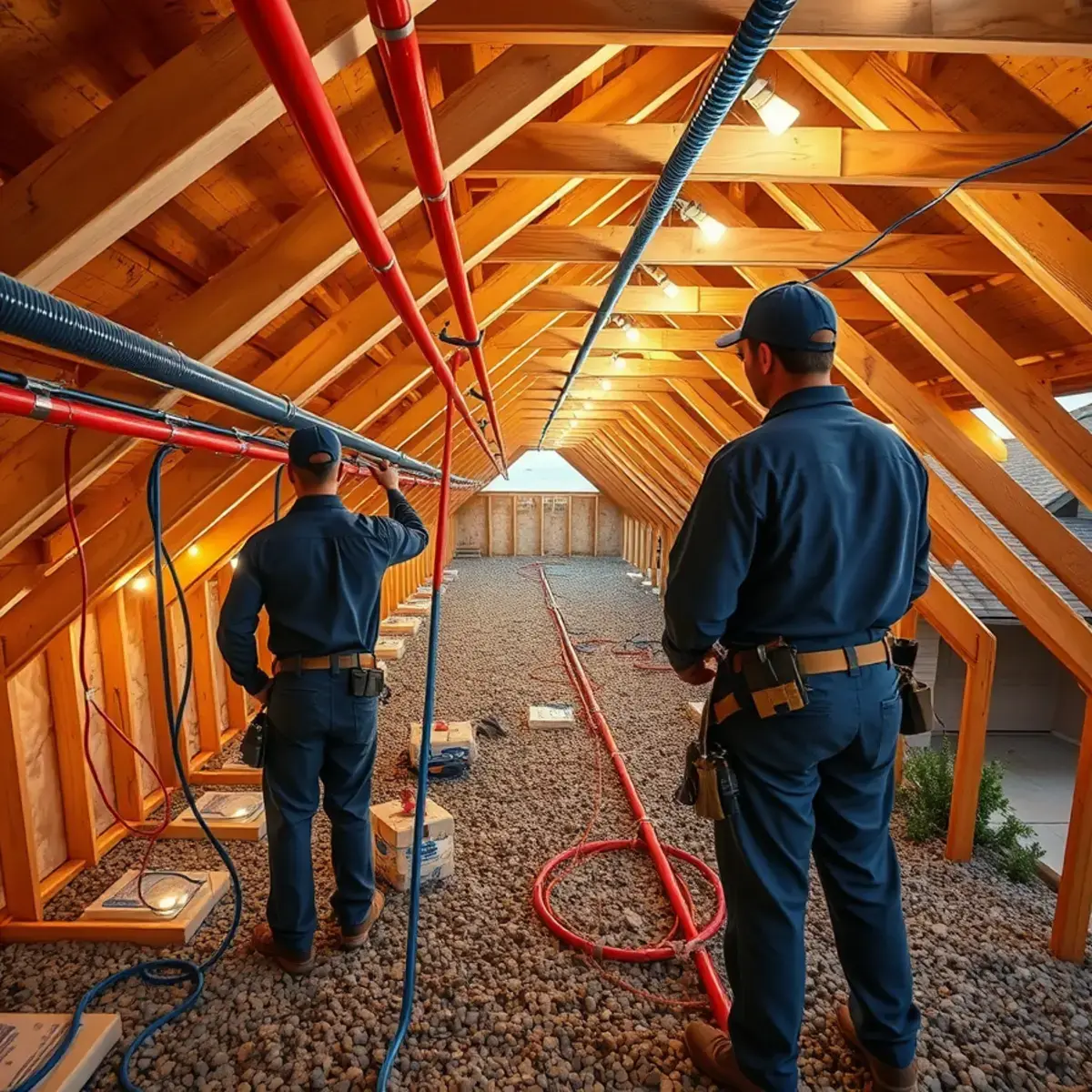
A walkable truss attic with decent clearance is straightforward. A low-clearance attic packed with blown insulation is slower and harder — and in July it is genuinely brutal work. Contractors price that honestly or they price it optimistically and cut corners later.
5. Drywall repair and texture
This is the line item that most often explains a suspiciously low quote. Our repipe pricing includes patch, tape, texture match — knockdown or orange peel, the two textures on nearly every home in this town — and prime. Final paint is left to the homeowner so you can match your exact color and sheen.
If a quote does not say what happens to the walls, ask. 'We open them, you close them' is a very different price.
Add-ons worth bundling
These cost far less done during a repipe than as separate visits later, because the labor overlaps and the system is already open:
- A new pressure-reducing valve, if yours is old or the static pressure is running high
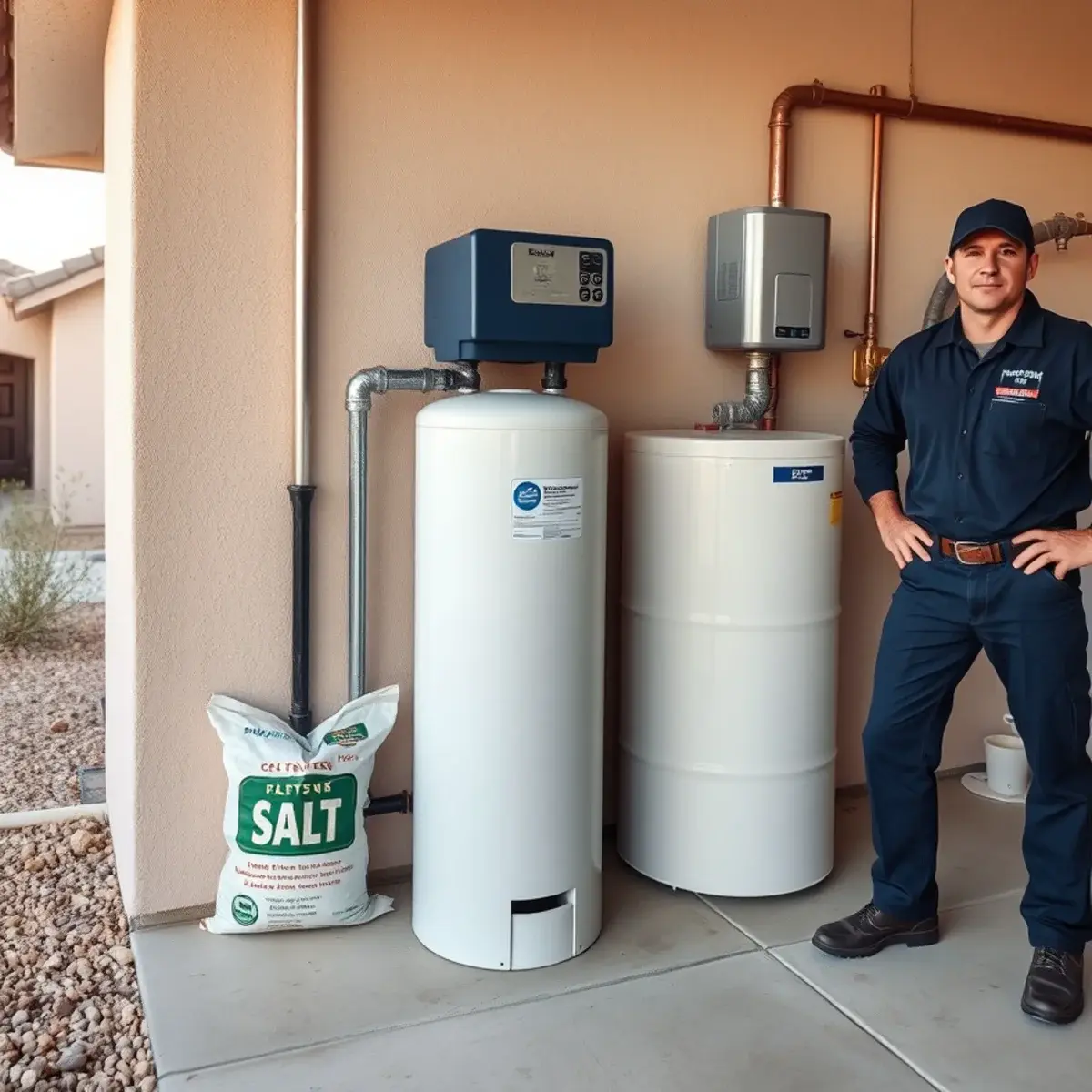
- A water softener and loop, if you do not already have one — protecting a brand-new system from the water chemistry that damaged the old one
- New angle stops and supply lines at every fixture
- Hose bib replacement with quarter-turn frost-free units
- A recirculation loop if your master bath runs cold for a long time
Comparing three quotes that look different
| Ask this | Why it matters |
|---|---|
| How many fixtures are in the scope? | The primary cost driver. Different counts explain most price gaps. |
| What material, and what fitting type? | PEX-A with expansion fittings, PEX-B with crimp, or copper are different products. |
| What happens to the drywall? | Patch and texture included, or left open? This alone can be thousands. |
| Is a permit pulled and inspection scheduled? | Unpermitted work is a disclosure problem when you sell. |
| Is the price fixed or time-and-materials? | Fixed price means a difficult attic is the contractor's problem, not yours. |
| What is the labor warranty? | Material warranties come from the manufacturer. Labor warranty is the contractor's own commitment. |
How long you will live with it
A single-story San Tan Valley home with two or three bathrooms is typically two to three days of plumbing plus a day for drywall. Two-story and larger floor plans run three to five days. You stay in the house the whole time, water goes back on every evening, and we work bathroom by bathroom so you always have a functioning one.
Full details on our whole-home repiping service, including what a correct installation includes and how we handle permits and inspections.
Most San Tan Valley homes do not need one
We should say that plainly, because it is the most valuable thing in this article. Post-2000 tract homes here have decades left with a softener and properly repaired leaks. A repipe is right for repeat pinholes in the same copper system, polybutylene from a 1978–1995 build, or galvanised that has scaled down internally — and if you are not in one of those three categories, get a second opinion.
The most common false positive is house-wide low pressure. We have talked homeowners out of five-figure repipes with a fifteen-dollar gauge, because the actual fault was a pressure-reducing valve that had failed closed. Check static pressure at a hose bib, then the PRV, then the aerators, before anyone opens a wall.
Where a quote gap usually hides: drywall. 'We open them, you close them' is a completely different price from patch, tape, texture-match and prime. Knockdown and orange peel are the two textures on nearly every home in this town, and matching them is skilled work most repipe complaints are really about.
The bottom line
Ask every quote the same six questions — fixture count in scope, material and fitting type, what happens to the drywall, whether a permit is pulled, fixed price or time-and-materials, and the labour warranty. The gap between three quotes almost always explains itself on one of those lines. If polybutylene is what brought you here, treat it as loss prevention rather than a someday project: see whole-home repiping.
Frequently asked questions
Fixture count first, then whether the home is single or two story, material choice, attic access difficulty, and how much drywall repair is included. Square footage matters far less than most people expect — a small home with three baths costs more than a larger home with two.
Usually scope. The most common differences are drywall repair excluded, fewer fixtures counted, a cheaper fitting system, or no permit pulled. Ask each contractor those four questions specifically and the gap generally explains itself.
Yes. Water is off during working hours and restored every evening, and we sequence the work bathroom by bathroom so you always have a functioning one. A typical single-story San Tan Valley home is two to three days plus a day for drywall.