A Property Manager's Guide to Water Heater Fleets in Pinal County
Across a portfolio, water heaters are not an emergency category — they are a predictable capital line item. Most managers just do not have the data to treat them that way.
The short answer
Build a register — address, unit, manufacturer, model and above all the serial number, which encodes the manufacture date. In Pinal County plan on six to ten years per tank rather than the label's eight to twelve, and replace proactively at turnover from year nine. Across twenty doors that means two to four replacements a year as a budget line.
Manage twenty doors in Pinal County and you will replace roughly two to four water heaters a year. That number is not random — it is a function of unit ages, hard water and garage temperatures. But most managers experience it as a series of unrelated emergencies, because nobody is tracking the fleet.
The local math
Manufacturers rate a standard tank at eight to twelve years. In Pinal County the honest range is six to ten, and neglected units in hot garages fail at five.
Two reasons, both structural. First, water at 15 to 18 grains per gallon deposits sediment continuously, insulating the burner from the water and cooking the tank lining. Second, most rental water heaters sit in garages that exceed 110 degrees for four months a year — and no tenant has ever flushed one.
So across a twenty-door portfolio with an average unit age of six years, you should expect two to four replacements annually. That is a budget line, not a surprise.
Build the fleet register
The whole strategy depends on one thing: knowing what you have. For every unit, record:
- Property address and unit
- Manufacturer and model
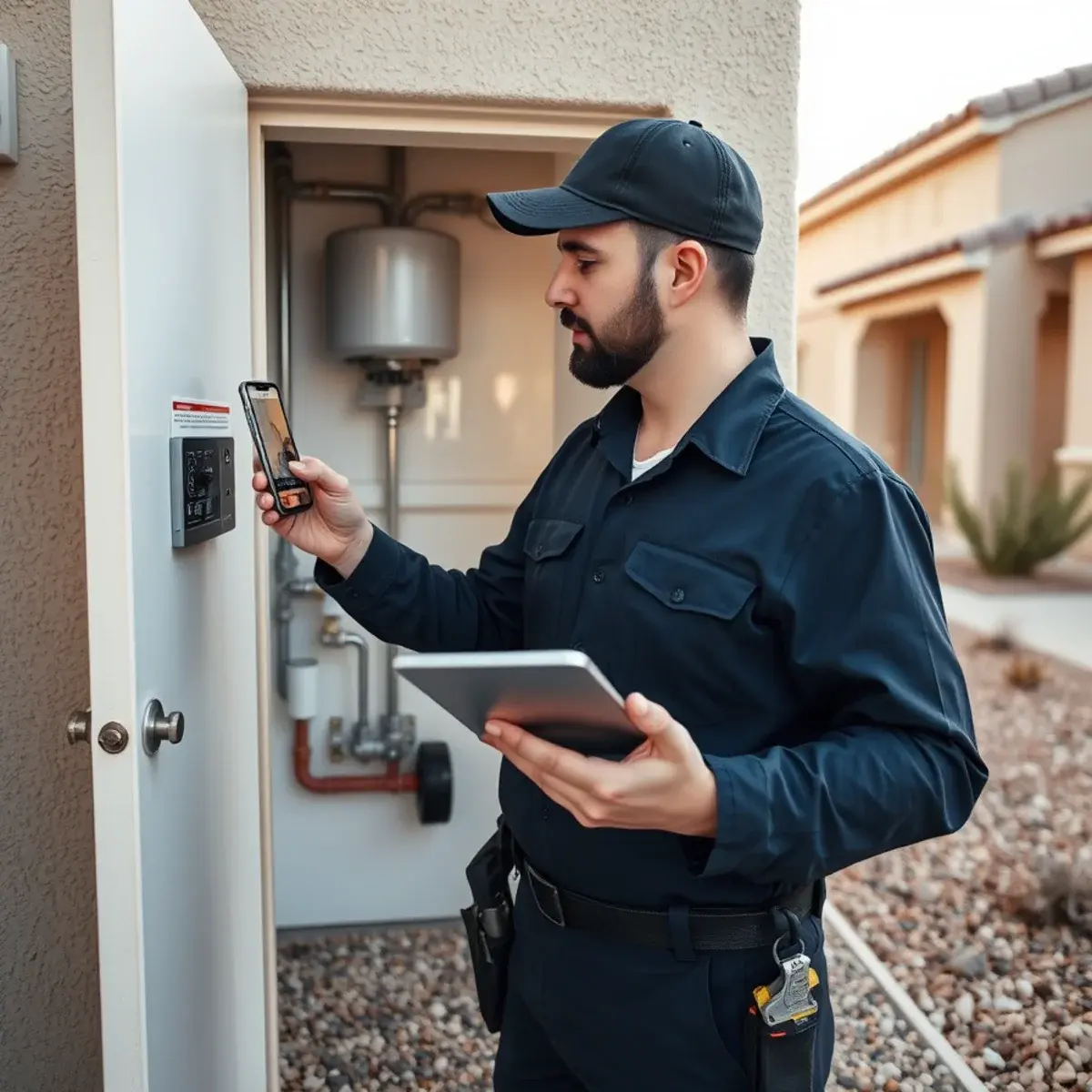
- Serial number — which encodes the manufacture date and is the only reliable age source
- Capacity and fuel type
- Install date if known, and who installed it
- Warranty expiration
- Location (garage, interior closet, attic platform) and access notes
- Service history — flushes, repairs, anode checks
We build this for portfolio clients as we go — every service call adds to the register — and provide it back as a running document you own.
Replace on schedule, not on failure
Once you know the ages, the strategy writes itself.
| Unit age | Action |
|---|---|
| 0–5 years | Annual flush at turnover. Nothing else. |
| 6–8 years | Flush annually, inspect the anode where accessible, and put it on the replacement watch list. |
| 9–10 years | Schedule replacement at the next turnover, before it fails. |
| Any age, first repair | Weigh repair cost against remaining life. On a 9-year tank, replacement usually wins. |
| Any age, tank leaking | Emergency replacement — and a note that the register should have caught it. |
What we do differently for portfolios
- Standing authorization limits. Anything under your set dollar amount gets fixed without a phone call. Anything over gets photos and a quote first.
- Direct tenant scheduling. We coordinate with the tenant so you are not the switchboard.
- Photo documentation on every call, attached to the invoice — for your records and for deposit disputes.
- Consolidated invoicing by property, not thirty separate bills at month end.
- Honest attribution. We will tell you when a tenant caused the problem and when they did not. A plumber who blurs that is not doing you any favors.
- A capital planning note each year listing what is approaching end of life and roughly what it will cost.
The softener question for rentals
This is a genuine judgment call and the answer depends on your hold period.
A softener materially extends water heater life and reduces fixture calls, and most units here already have the garage loop. But it requires salt to be maintained, and tenants generally will not do it — which means either a service arrangement or a system that ends up not working.
For long-hold portfolios with scheduled service, it pencils. For short-hold or high-turnover properties, it often does not. We will give you the honest version rather than the version that sells equipment.
Everything else that repeats across a portfolio
- Angle stops and supply lines. The most common cause of tenant-occupied flooding. Replace them at turnover on any unit past fifteen years — it is cheap and it prevents the expensive claim.
- Toilet flappers. Mineralize and leak silently. On a property where you pay water, this is real money.
- Disposals. Fail hardest in rentals. Consider whether they belong in the unit at all.
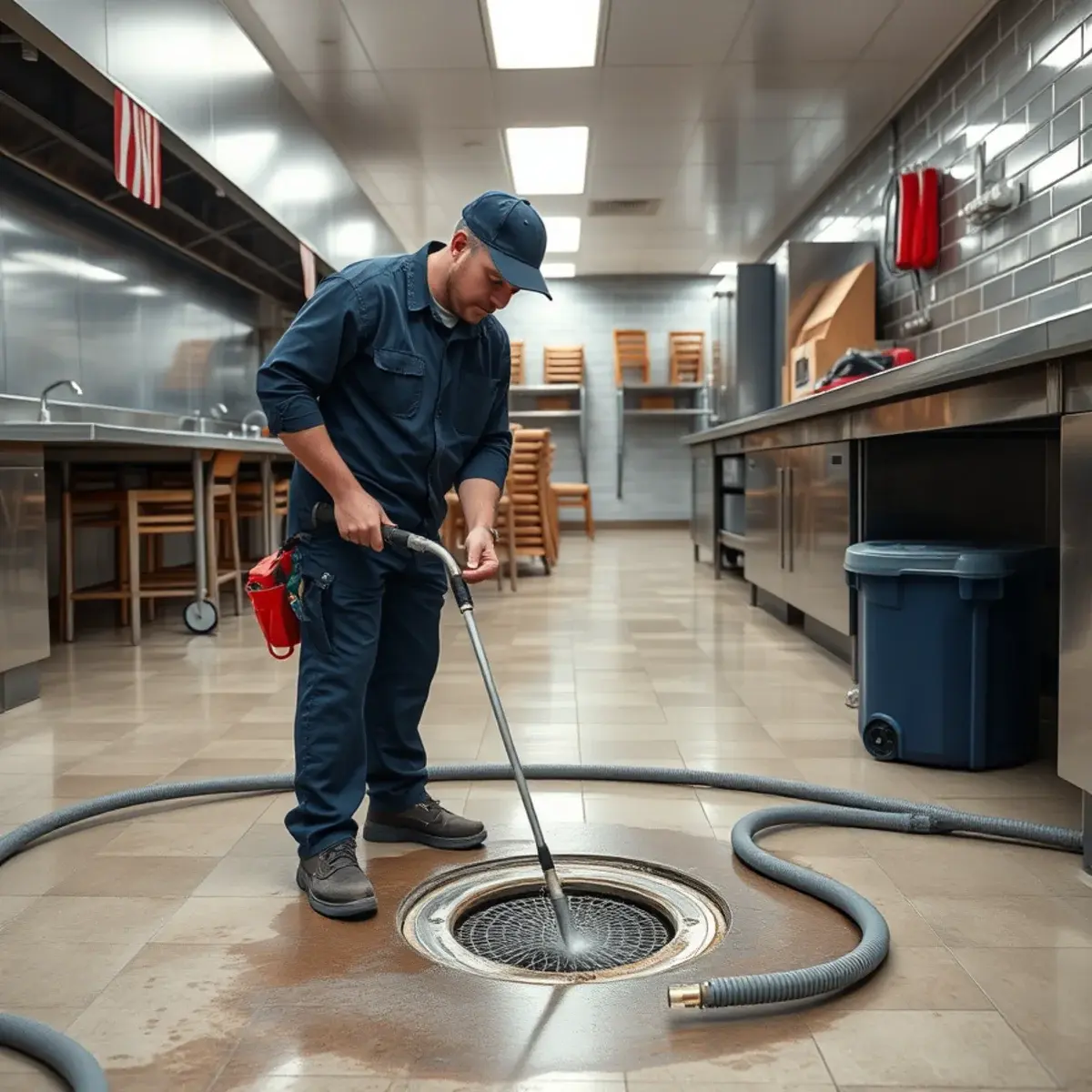
- Drain lines. Jet rather than cable on any unit that has clogged twice — see drain cleaning.
- Sewer laterals. Camera them on acquisition, particularly in older stock in Mesa, Tempe, Coolidge and Casa Grande.
We manage portfolios across San Tan Valley, Maricopa, Queen Creek, Florence and the wider county under one relationship — see commercial and property management plumbing and water heater service.
Why turnover is the cheapest possible moment
A vacant unit means no tenant coordination, no access negotiation, no after-hours premium and no displacement complaint. Replacing a nine-year-old tank during a two-week vacancy is the least expensive version of that job you will ever buy — and it removes the chance of a 6 AM emergency with a tenant standing in water.
The softener question is where we give owners an answer they do not expect. Softeners genuinely extend tank life and cut fixture calls, but they need salt maintained and tenants generally will not do it. For long-hold portfolios with a service arrangement it pencils. For high-turnover properties it often does not, and we say so.
One operational thing worth more than it sounds: honest attribution. We will tell you when a tenant caused the problem and when they did not. A plumber who blurs that line to keep everyone happy is not helping you at deposit time.
The bottom line
Everything else that repeats across a portfolio is cheaper handled the same way — angle stops and supply lines replaced at turnover on units past fifteen years, drain lines jetted rather than cabled after a second clog, and sewer laterals cameraed at acquisition in older stock. We run portfolios across San Tan Valley, Maricopa and Queen Creek under one relationship: see commercial plumbing.
Frequently asked questions
Six to ten years is the honest range against a label rating of eight to twelve, and neglected units in hot garages fail at five. Hard water at 15 to 18 grains deposits sediment continuously, and no tenant has ever flushed a water heater. Budget accordingly rather than treating each failure as a surprise.
For any unit at nine or ten years, yes. A vacant unit means no tenant coordination, no access negotiation, no after-hours premium and no displacement complaint — and it eliminates the risk of a failure with a tenant in the unit and water on the floor.
It depends on your hold period. Softeners meaningfully extend water heater life and cut fixture calls, but they need salt maintained, and tenants generally will not do it. For long-hold portfolios with a service arrangement it pencils. For high-turnover properties it often does not.